Healthcare Tech

How the Medical Industry Is Adapting to a New Better Tomorrow
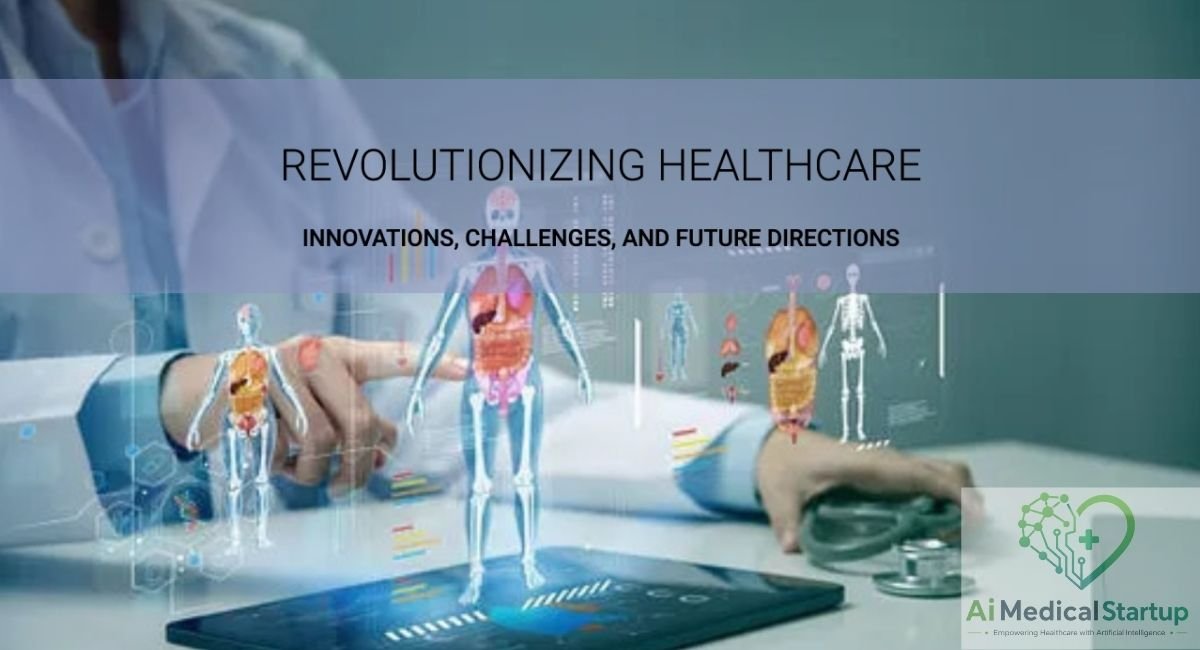
Healthcare is changing faster than ever, and the shift is reaching far beyond hospital walls. From smarter diagnosis to virtual consultations, medical technology is helping doctors work more efficiently while giving patients greater access to care. At the same time, digital health, artificial intelligence, connected devices, and precision medicine are creating new ways to prevent, detect, and treat disease. These advances are not simply about replacing old systems with new ones.
They are about building a healthcare model that is more personalized, connected, proactive, and patient-focused. As healthcare innovation accelerates across the USA, UK, and EU, understanding how the medical industry is adapting can help you see where modern medicine is heading—and why patient outcomes remain at the heart of this transformation.
Artificial Intelligence and Machine Learning
The biggest change in modern medicine may be happening behind the screen rather than inside the operating room. Artificial intelligence in healthcare can help clinicians process large amounts of information, identify patterns, and prioritize cases. The FDA maintains an updated list of AI-enabled medical devices authorized for marketing in the United States, showing how AI has moved beyond experimentation into regulated clinical applications.
At the same time, machine learning in healthcare is becoming useful across imaging, risk prediction, documentation, research, and workflow management. A clinician might still make the final decision, but an intelligent system can act like a second pair of eyes. That partnership could make AI-powered healthcare more practical, provided organizations validate systems carefully and monitor performance after deployment.
How AI Is Transforming the Medical Industry
AI can quietly remove friction from many parts of healthcare. It can summarize records, flag unusual findings, organize information, and support clinicians during complex decisions. Clinical decision support tools are especially valuable when they present relevant information without overwhelming the professional using them.
The real opportunity lies in augmentation rather than replacement. Doctors bring context, experience, empathy, and accountability. AI brings speed and pattern recognition. When those strengths meet, AI diagnostics can support earlier disease detection and more consistent clinical workflows.
AI-Powered Diagnosis and Disease Detection
Medical imaging offers a useful example. Algorithms can examine images for patterns associated with particular conditions and highlight areas that deserve closer attention. This does not mean a machine independently understands a patient. Instead, it gives clinicians another source of evidence.
The FDA’s regulatory work reflects this distinction. Authorized AI-enabled devices must meet applicable premarket requirements for safety and effectiveness. Meanwhile, developers increasingly need to consider transparency, bias, monitoring, and lifecycle management.
Generative AI and Clinical Decision Support
Generative AI has pushed healthcare technology into a new phase. Instead of only detecting patterns, modern systems can generate summaries, draft documentation, answer questions, and organize complex information. Used carefully, this can reduce administrative pressure and give clinicians more time for patients.
However, fluent language does not guarantee factual accuracy. A system can produce an answer that sounds convincing but contains an error. That is why generative AI in medicine needs strong validation, human review, secure data handling, and clear accountability.
Machine Learning in Drug Discovery and Medical Research
Drug development can take years and requires enormous amounts of scientific analysis. AI may help researchers search biological relationships, identify promising molecules, model interactions, and prioritize experiments. In that sense, drug discovery becomes less like searching through a haystack and more like narrowing the haystack before scientists begin.
The same principle applies to medical research more broadly. Machine learning can analyze datasets that would be difficult to review manually. Yet algorithms still depend on the quality of their training data. Poor data can produce misleading conclusions, while biased datasets can reinforce existing inequalities.
AI Safety, Bias, and Human Oversight
Every powerful medical tool needs guardrails. AI bias can appear when training data does not adequately represent the populations receiving care. Algorithmic errors can also occur when systems encounter unusual cases or conditions outside their validated use.
The FDA has been developing regulatory approaches that address transparency, bias, lifecycle management, and emerging generative AI-enabled medical devices. In August 2026, the agency opened discussion around regulatory considerations for generative AI-enabled medical devices.
Telemedicine and Remote Patient Monitoring
Healthcare can now travel with the patient. Telemedicine allows clinicians to communicate with patients without requiring every interaction to happen inside a clinic. This has particular value for follow-up appointments, routine consultations, specialist access, and people who face transportation or geographic barriers.
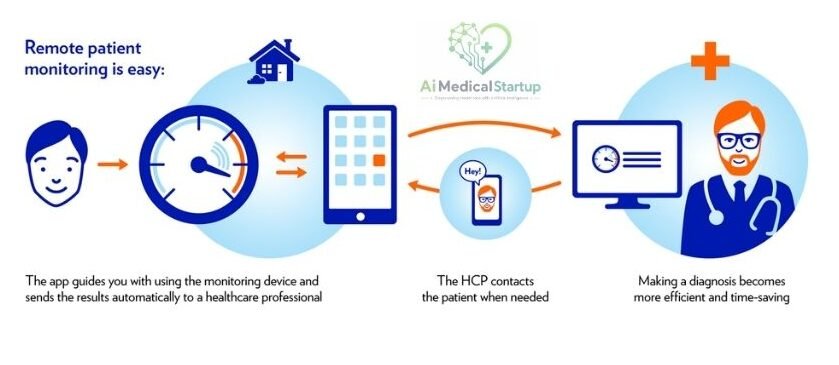
Alongside it, remote patient monitoring is changing what happens between appointments. Connected devices can transmit health measurements from home, allowing clinicians to follow trends rather than relying only on occasional readings. Together, these approaches strengthen virtual healthcare and create new models of remote care.
The Rise of Telemedicine in Modern Healthcare
Telemedicine has evolved from a convenient alternative into an important part of modern care delivery. A patient managing a stable condition may not need to travel for every appointment. A specialist can also review a case remotely when local expertise is limited.
Still, virtual care has boundaries. Physical examinations, emergency treatment, certain diagnostic procedures, and some complex interventions require in-person services. The strongest model is therefore hybrid care, where digital and physical services complement each other rather than compete.
Telemedicine vs. Remote Patient Monitoring
The distinction is straightforward. Telemedicine focuses primarily on communication between patients and healthcare professionals. Remote patient monitoring focuses on collecting and transmitting health information while the patient remains outside a clinical setting.
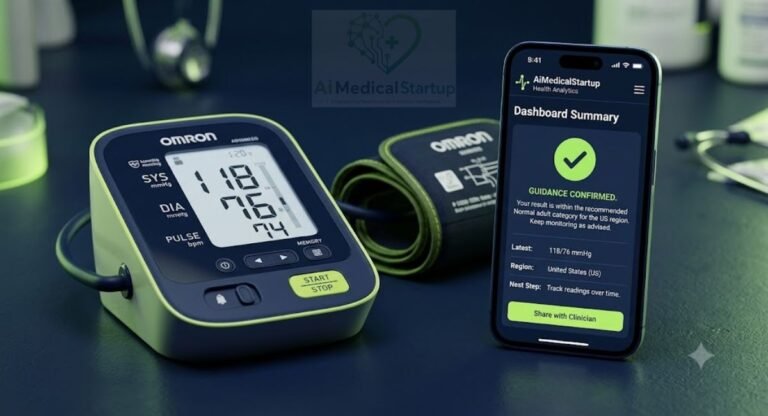
For example, a video appointment allows a clinician to discuss symptoms. A connected blood-pressure monitor can continuously provide readings between appointments. When combined, these tools can strengthen chronic disease management by giving clinicians both conversation and data.
Wearable Devices and Continuous Health Monitoring
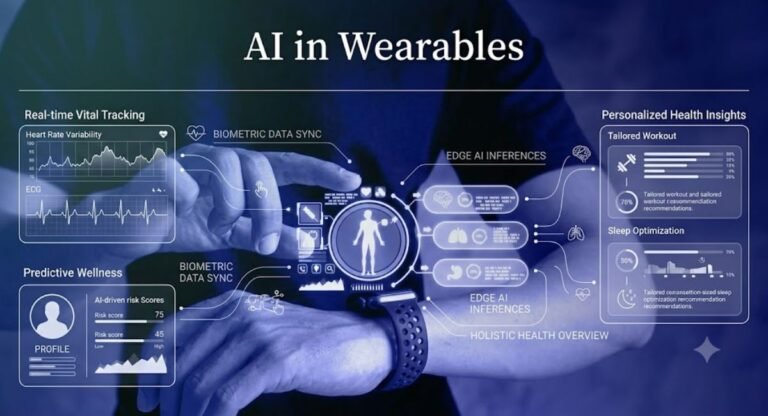
A smartwatch may look like a consumer accessory, but many wearable health devices now capture useful physiological information. Heart rate, activity, sleep patterns, oxygen-related measurements, and other signals can provide additional context.
The value grows when those signals are interpreted appropriately. Real-time patient monitoring can help identify changes that deserve attention, although not every fluctuation indicates disease. Clinicians must understand device limitations and distinguish meaningful trends from everyday biological variation.
Remote Care for Chronic Diseases
Chronic conditions often require long-term management rather than a single intervention. Diabetes, cardiovascular disease, respiratory conditions, and hypertension can involve repeated measurements and lifestyle adjustments.
Remote monitoring can bring some of that process into the home. Instead of waiting weeks for the next appointment, patients may share relevant readings more frequently. That creates opportunities for earlier intervention, better communication, and more personalized management.
Making Healthcare More Accessible Through Virtual Care
Geography can quietly determine who receives timely specialist care. Rural patients may travel for hours simply to see a clinician whose expertise is unavailable locally. Virtual services can reduce some of that burden. However, healthcare accessibility depends on more than having an app. Patients need reliable internet, suitable devices, digital skills, language support, and affordable services. If those foundations are missing, digital health can unintentionally widen the gap it was designed to close.
Internet of Medical Things (IoMT)
Hospitals are becoming increasingly connected. The Internet of Medical Things links medical devices, monitoring systems, software platforms, and networks so that information can move between them. This creates a digital layer around clinical care. The concept becomes easier to understand through a simple example. A connected patient monitor can collect measurements, transmit them to a hospital system, and trigger an alert when a value crosses a defined threshold. In this ecosystem, IoMT turns individual devices into participants in a wider healthcare workflow.
What Is the Internet of Medical Things?
IoMT is essentially healthcare-focused connected technology. General IoT can include thermostats, vehicles, appliances, and industrial equipment. IoMT concentrates on medical and health-related devices.
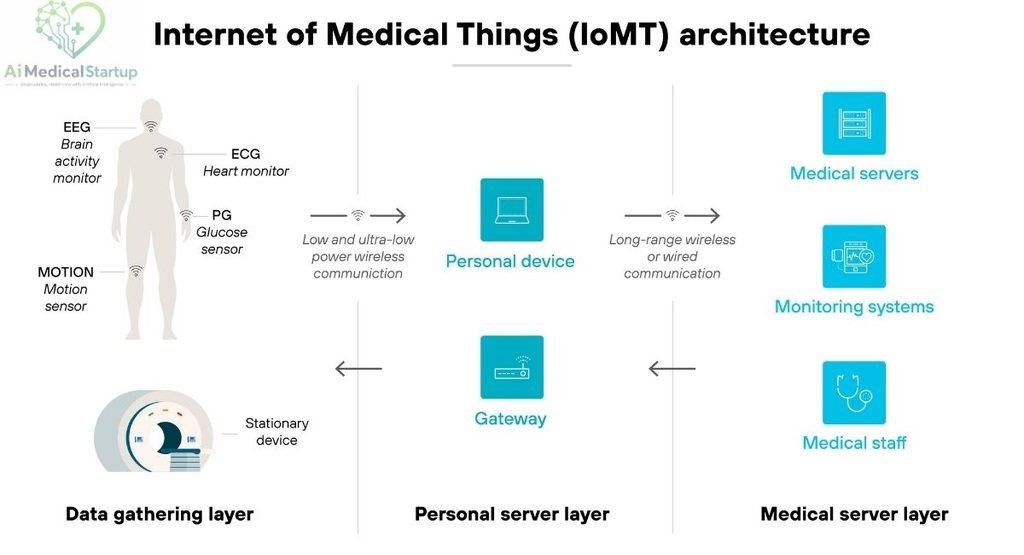
That distinction matters because medical information is unusually sensitive. A connected medical device does not simply exchange data. It may handle information that can affect diagnosis, treatment, insurance, or personal privacy. Security therefore needs to be designed into the system from the beginning.
Smart Medical Devices and Connected Hospitals
Connected hospitals can use sensors and devices to track patients, equipment, environmental conditions, and operational activity. Such systems may help staff locate equipment, monitor patients, and manage resources more efficiently.
The long-term value comes from integration. A collection of disconnected devices creates more data but not necessarily better care. When connected medical devices communicate through compatible systems, information can become actionable rather than merely abundant.
Real-Time Patient Monitoring Through IoMT
Continuous monitoring can give clinicians a richer picture of a patient’s condition. Instead of relying only on snapshots taken during appointments, providers can examine trends over time.
That approach is especially useful when small changes matter. A gradual shift in vital signs could prompt closer review before a situation becomes more serious. Still, alerts need careful design. Too many notifications can create alarm fatigue and overwhelm already busy clinical teams.
How IoMT Can Improve Healthcare Efficiency
Connected devices can reduce manual data entry and help automate repetitive processes. A hospital can potentially use sensor information to understand equipment usage, patient movement, or bed availability.
This is where healthcare automation becomes more practical. The goal is not to automate everything. It is to remove unnecessary friction so healthcare professionals can spend more attention on decisions, communication, and patient care.
IoMT Security and Privacy Challenges
Connectivity creates another doorway for attackers. Every connected device can introduce potential security weaknesses, especially when systems use outdated software or weak authentication.
Strong patient data protection therefore requires more than securing a central database. Organizations need device-level security, network controls, software updates, access management, monitoring, and clear response plans. In connected healthcare, cybersecurity must follow the data wherever it travels.
Precision Medicine and Genomics
Medicine is moving away from the idea that one treatment should work equally well for everyone. Precision medicine uses information about an individual’s biology, environment, and lifestyle to help guide prevention and treatment decisions.
Genomic information is one important part of that picture. Modern sequencing can reveal biological differences that influence disease risk or treatment response. As costs and analytical capabilities change, genomics is becoming increasingly relevant to personalized healthcare, particularly in cancer and rare disease research.
What Is Precision Medicine?
Traditional medicine often relies on population-level evidence. Precision approaches add another layer by asking what makes this particular patient different.
That can involve genetics, biomarkers, clinical history, lifestyle, and other information. The goal is personalized treatment, where decisions reflect the characteristics of the individual rather than relying solely on broad averages.
How Genomics Is Changing Medical Treatment
Genomic testing can identify variants that provide clues about inherited conditions, disease mechanisms, or potential treatment responses. For some patients, that information can help clinicians select more appropriate therapies.
The challenge is interpretation. Genomic data can be enormous and complex. It may also reveal uncertain findings that require expert explanation. Therefore, genetic information works best when paired with qualified counseling, clinical context, and careful data governance.
Precision Oncology and Targeted Cancer Treatments
Cancer illustrates the potential of precision medicine particularly well. Two tumors that appear similar under a microscope may have different molecular characteristics.
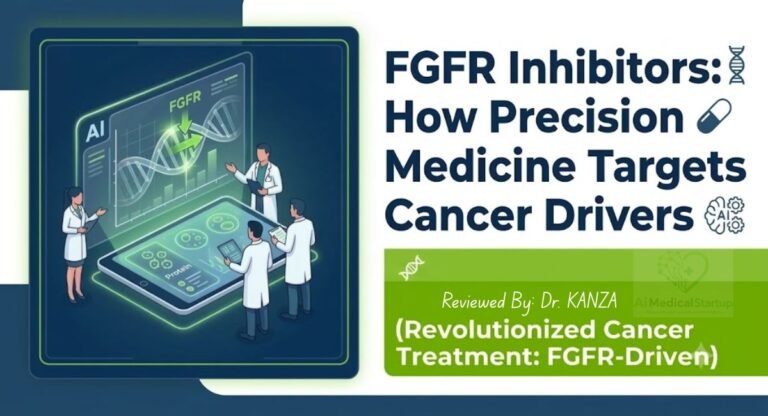
Testing can sometimes identify biomarkers associated with specific treatments. Targeted therapies can then focus on biological features that drive a particular cancer. This approach does not guarantee success, but it can make treatment selection more individualized.
AI, Genomics, and Personalized Healthcare
Genomics produces complex datasets that humans cannot always interpret efficiently on their own. AI can help researchers identify patterns across genomic and clinical information.
This combination could strengthen predictive healthcare by identifying risk signals earlier. However, prediction is not destiny. Genetic information can indicate probability, not certainty, and healthcare decisions must still consider the person’s complete clinical picture.
Challenges of Genomic and Precision Medicine
Precision medicine also raises difficult questions about affordability, privacy, consent, and access. Genetic information can reveal details about relatives as well as the individual tested.
For patients, trust is essential. Genomic data should receive strong protection, clear explanations, and responsible governance. Otherwise, the technology may advance faster than public confidence.
Robotics and Automation
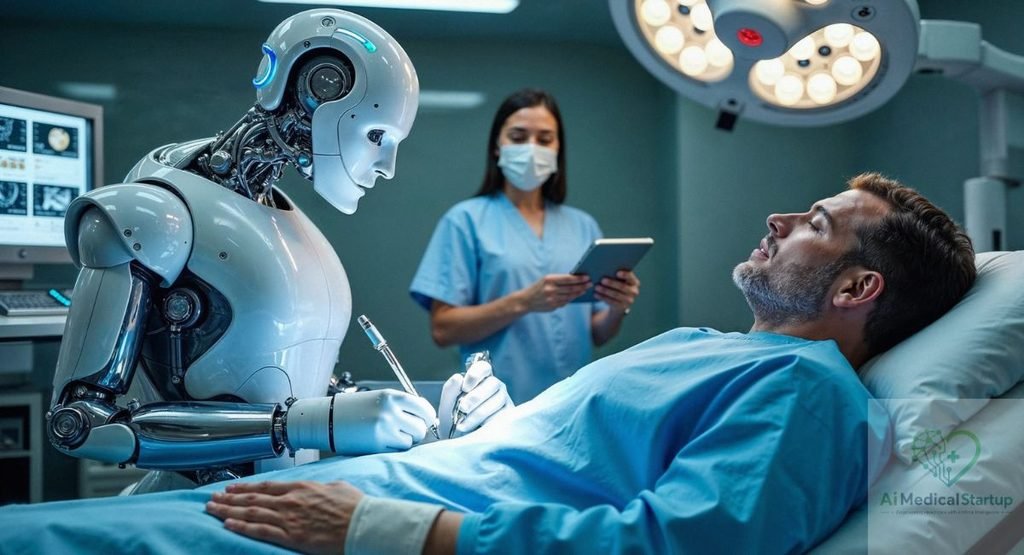
Robots are becoming useful partners in healthcare rather than futuristic machines wandering through hospital corridors. Healthcare robotics can support surgery, rehabilitation, logistics, medication handling, and other specialized tasks.
At the same time, automation is spreading into less visible areas. Hospital automation can help with scheduling, inventory, documentation, laboratory processes, and repetitive administrative work. These changes matter because healthcare professionals often lose valuable time to tasks that do not require their full clinical expertise.
Robotic-Assisted Surgery
Modern robotic surgery does not mean a robot independently decides how to operate. In many systems, surgeons control specialized instruments that provide enhanced precision, visualization, or dexterity.
The potential benefits depend on the procedure, system, clinician training, and patient factors. Robotic-assisted surgery is therefore best understood as a surgical platform rather than a replacement for the surgeon.
Robots in Rehabilitation and Patient Care
Rehabilitation technology can help patients repeat movements, track progress, and receive structured assistance. Robotic systems may support people recovering from neurological injuries, surgery, or mobility-related conditions.
These technologies can also provide consistent exercises. However, rehabilitation remains deeply human. Motivation, encouragement, pain assessment, and individualized judgment are difficult to automate fully.
Automation in Hospitals and Medical Facilities
Hospitals contain thousands of moving parts. Medicines need to reach the right location. Equipment needs maintenance. Laboratory samples require tracking. Staff need accurate schedules.
Automation can coordinate many of these processes. When designed well, it becomes almost invisible. The best automation does not make the hospital feel more technological. It makes the hospital feel less chaotic.
Healthcare Automation and Administrative Work
Administrative workload is a persistent source of frustration for healthcare professionals. Documentation, coding, billing, appointment management, and record preparation can consume substantial time.
Software can handle portions of these repetitive activities. This is where healthcare automation can produce practical value quickly. Even small reductions in administrative friction can give professionals more time for patients.
Will Robots Replace Healthcare Professionals?
The short answer is unlikely. Healthcare depends on judgment, communication, empathy, physical assessment, ethics, and trust. Machines may perform particular tasks better than humans. Humans remain better at understanding the broader situation. The future is therefore more likely to involve collaboration between people and machines than wholesale replacement.
3D Printing in Healthcare
A patient’s anatomy is not identical to anyone else’s. 3D printing in healthcare addresses that reality by allowing physical objects to be created from digital designs and patient-specific information.
The technology already has practical applications in prosthetics, models, implants, surgical planning, and research. Its more ambitious frontier is biological manufacturing. That field remains experimental, but it could eventually change how damaged tissues are repaired.
How 3D Printing Is Changing Modern Medicine
Traditional manufacturing often requires standardized production. 3D printing can create highly customized shapes without requiring the same manufacturing process for every patient. That flexibility makes it attractive for medical applications. Clinicians and engineers can design objects around a person’s anatomy, potentially improving fit and usability.
3D-Printed Prosthetics and Medical Implants
Customized 3D-printed prosthetics can be designed around individual measurements. This can make personalization more accessible, especially when traditional manufacturing is expensive or slow. Researchers also use additive manufacturing to develop implant designs and anatomical structures. Clinical suitability still depends on material safety, mechanical performance, manufacturing quality, and regulatory requirements.
3D Printing for Surgical Planning
A surgeon can study a digital scan on a screen, but a physical model can provide another form of understanding. A printed anatomical replica can help clinicians visualize complex structures before an operation. This may be particularly useful when anatomy is unusual or difficult to interpret. Medical students can also use models for education without relying solely on traditional specimens.
Bio-printing and Tissue Engineering
The most ambitious branch is bio-printing, which attempts to use biological materials and cells to construct tissue-like structures. Researchers are exploring how printing techniques could support regenerative medicine. Tissue engineering combines cells, bio-materials, engineering methods, and biological signals. The science is promising, but building living tissue that develops correct structure, blood supply, function, and long-term stability remains extremely difficult.
Can 3D Printing Produce Functional Human Organs?
The idea of printing a replacement heart or kidney sounds like science fiction, but researchers are actively investigating related technologies. Yet a fully functional, transplant-ready human organ remains a far greater challenge than printing a physical model.
An organ needs intricate architecture, living cells, blood vessels, nerves, and reliable biological function. Current research is therefore better described as a journey toward regenerative medicine than a finished organ-printing solution.
Blockchain and Health Data Security
Healthcare generates enormous amounts of sensitive information. Healthcare data security has therefore become inseparable from digital transformation. Blockchain is one technology that has attracted attention because it can create tamper-evident records across distributed networks. However, blockchain is not a magic shield. Its usefulness depends on the problem being solved. A healthcare system may benefit from blockchain in specific data-sharing or verification scenarios, while a conventional database may remain more suitable elsewhere.
Why Healthcare Needs Better Data Security
Medical records contain deeply personal information. They can include diagnoses, medications, genetic details, financial information, and identifying data. As healthcare becomes more digital, the consequences of a breach can become severe. In April 2026, HHS announced four ransomware settlements affecting more than 427,000 individuals, highlighting the continuing pressure on healthcare organizations to strengthen security controls.
How Blockchain Can Be Used in Healthcare
Blockchain can create a distributed record of transactions. Instead of relying on one central record keeper, participating systems can maintain synchronized information about approved transactions. In theory, this can strengthen traceability and trust. In practice, healthcare organizations must still solve interoperability, privacy, performance, governance, and integration problems. Blockchain can support a system, but it cannot repair poor architecture by itself.
Secure Medical Data Sharing
Patients often receive care from several organizations. Data may sit in hospitals, clinics, laboratories, pharmacies, and specialist systems. Secure sharing can reduce duplication and improve continuity. Blockchain may support consent or transaction tracking in some architectures, while established interoperability standards may handle the actual exchange of clinical information more efficiently.
Blockchain and Patient Data Ownership
The idea of patients having more control over their information is attractive. Patients could potentially manage permissions and see how certain records are accessed.
Yet ownership is not simply a technical problem. Laws, contracts, clinical obligations, and data governance all influence who may access health information. Technology needs to fit those rules rather than operate in isolation.
Limitations of Blockchain in Healthcare
Blockchain can introduce complexity, storage concerns, performance constraints, and governance challenges. Putting sensitive health information directly onto an immutable ledger can also create privacy problems if the architecture is poorly designed. Therefore, blockchain in healthcare should be evaluated like any other technology. The important question is not whether blockchain is fashionable. It is whether it solves a specific problem better than available alternatives.
Technology for mental health.
Technology can widen access to mental healthcare while creating new responsibilities. Mental health technology includes digital platforms, remote counseling, assessment tools, monitoring systems, and AI-supported services. The opportunity is substantial because demand remains high. WHO reported in 2025 that more than one billion people globally live with a mental health condition, while many remain underserved.
The Growing Role of Technology in Mental Healthcare
Digital tools can help people find information, connect with professionals, track symptoms, and access support. For someone living far from a specialist, digital services may remove a major barrier.
However, technology should not be confused with comprehensive treatment. Some conditions require clinical assessment, medication management, crisis intervention, or intensive therapy. Digital services work best when they connect people to appropriate care.
AI-Powered Mental Health Tools
AI systems can support screening, conversational assistance, and personalized digital interventions. These tools may help people reflect on symptoms or find appropriate resources. Yet mental health involves nuance. A person may describe the same symptom for very different reasons. Responsible AI therefore matters enormously here, especially when systems interact directly with vulnerable users.
Teletherapy and Virtual Mental Health Services
Virtual therapy can make professional support more convenient. Patients may attend sessions from home rather than traveling to a clinic. This can help people with transportation problems, busy schedules, or limited local services. Still, privacy, clinical appropriateness, emergency procedures, licensing rules, and secure communication remain essential.
Digital Tools for Stress, Sleep, and Well-Being
Many digital products focus on sleep, stress management, mindfulness, activity, and emotional well-being. These tools can encourage healthy routines and help users recognize patterns. The evidence is not equally strong for every product. WHO notes that digital environments can produce both benefits and harms, particularly for young people.
Safety, Privacy, and the Limits of Mental Health Technology
Mental health information can be intensely personal. Digital platforms should therefore explain how information is collected, stored, shared, and used.
Digital mental health should also have clear boundaries. A wellness application is not automatically a medical service, and an AI chatbot is not a substitute for emergency care or qualified clinical judgment.
Healthcare Data, Interoperability and Cybersecurity
The future of healthcare depends on information moving safely. Healthcare interoperability allows different systems to exchange and understand data rather than forcing clinicians to work with isolated digital islands. This issue is becoming particularly important in Europe. The European Health Data Space creates a common framework for electronic health data exchange and aims to strengthen patient access, interoperability, research, and secure data reuse.
Why Healthcare Interoperability Matters
Imagine visiting a specialist who cannot easily access your previous test results. The technology may exist, yet the systems cannot communicate effectively. Interoperability reduces that friction. When systems exchange information reliably, clinicians can build a more complete picture of the patient. That can support safer decisions and smoother transitions between providers.
Electronic Health Records and Connected Data
Electronic health records have become central to digital healthcare, but simply digitizing paperwork does not guarantee better care. Information must be accurate, accessible, structured, and usable. The EU’s health-data framework places strong emphasis on interoperable EHR systems. The European Commission describes interoperability as essential for effective collaboration between healthcare providers.
Protecting Healthcare Systems From Cyber attacks
Digital connectivity creates enormous benefits, but it also expands the attack surface. Ransomware, phishing, credential theft, and vulnerable devices can disrupt clinical operations. Recent HHS enforcement actions demonstrate that this is not an abstract concern. In July 2026, HHS announced a ransomware settlement involving OSF Healthcare System and emphasized the importance of thorough risk analysis.
Healthcare Data Privacy and Regulation
The USA, UK, and EU approach health information through different legal frameworks. Organizations therefore need technology strategies that reflect their operating environment. Strong medical data privacy requires more than compliance paperwork. It involves access controls, encryption, data minimization, monitoring, staff training, incident response, and clear patient communication.
Building Trust in AI and Digital Healthcare
Trust is becoming a competitive advantage in healthcare technology. Patients want to know how their information is used. Clinicians want systems that behave predictably. Organizations need evidence that a technology delivers value. Strong healthcare data governance can provide the foundation. It connects policies, technical controls, accountability, data quality, and ethical decision-making into one operating model.
The Future of Healthcare Technology
The next stage of healthcare will not be defined by one breakthrough. Instead, different technologies will increasingly converge. AI may interpret information from connected devices. Genomic data may influence treatment selection. Robotics may support procedures. Virtual care may continue monitoring afterward. That convergence is the deeper story behind healthcare technology trends. Technology is gradually moving healthcare from isolated episodes toward connected journeys. The patient becomes the common thread across diagnosis, treatment, monitoring, prevention, and follow-up.
From Reactive Healthcare to Predictive Healthcare
Traditional healthcare often responds after symptoms become serious. Technology can help shift attention toward earlier intervention. Predictive analytics can identify patterns associated with risk, while wearable devices and clinical records can provide continuous information. The aim is not to predict every illness perfectly. It is to identify useful signals early enough for action.
The Convergence of AI, IoMT, Genomics, and Robotics
Imagine a patient whose wearable detects a concerning trend. The system securely sends the information to the clinical platform. AI analyzes it alongside the patient’s history. A clinician reviews the result and decides whether intervention is necessary. That scenario illustrates how medical technology becomes more powerful when systems work together. The value comes from the connection between technologies, not merely from each individual tool.
More Personalized and Patient-Centered Care
Patients increasingly expect healthcare to fit their lives. That means easier communication, clearer information, flexible appointments, and treatment decisions that reflect individual needs. Technology can support personalized healthcare by combining clinical information with relevant patient-generated data. The challenge is keeping the experience human. More data should not mean more confusion for the person receiving care.
The Rise of Smart Hospitals
A smart hospital connects clinical systems, devices, infrastructure, analytics, and operational workflows. Staff can potentially see problems sooner and manage resources more efficiently. The concept is broader than installing screens everywhere. A genuinely smart facility uses data to improve decisions. It should also remain resilient when technology fails, because healthcare cannot stop simply because a network goes offline.
What Healthcare Could Look Like by 2030
By 2030, patients may interact with healthcare through a mixture of physical clinics, virtual consultations, connected devices, AI-supported services, and personalized treatment pathways.
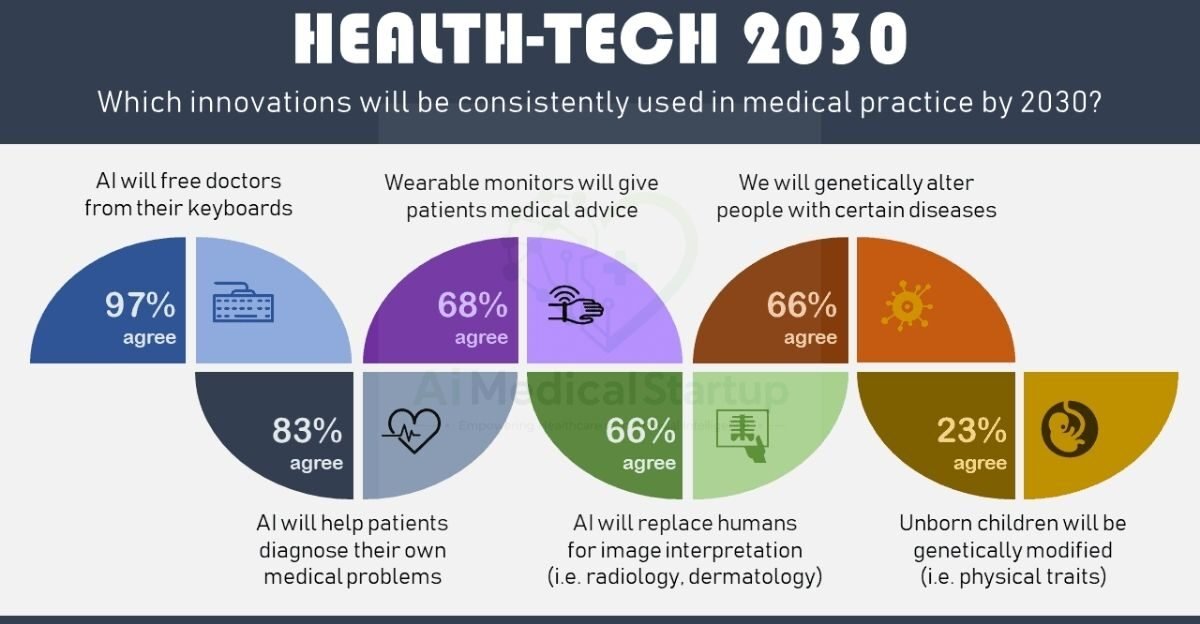
The exact future remains uncertain. Technology adoption varies by country, regulation, funding, workforce capacity, and public trust. Still, the direction is clear: digital health is becoming part of the basic infrastructure of modern medicine.
Challenges and Risks of Healthcare Technology Adoption
Every technological leap carries a shadow. Healthcare organizations must consider privacy, cost, regulation, workforce readiness, bias, cybersecurity, and unequal access before deploying new systems. Patient safety should remain the final filter when enthusiasm starts moving faster than evidence.
The strongest approach is balanced innovation. Organizations should test technologies in appropriate settings, measure results, involve clinicians and patients, and improve systems continuously. WHO has emphasized the need for responsible digital technology that reduces inequities rather than deepening them.
Patient Privacy and Sensitive Health Data
Health information is among the most sensitive forms of personal data. A technology that collects more information can create more value, but it can also create greater exposure.
Organizations need clear rules around collection, access, retention, sharing, and deletion. Privacy should be designed into the system rather than added after a product reaches the market.
Cybersecurity and Increasing Digital Threats
Healthcare is an attractive target because systems contain valuable information and cannot easily tolerate prolonged downtime. A cyber attack can therefore become a clinical problem, not merely an IT problem.
The answer requires layered protection. Security teams, clinicians, administrators, vendors, and executives all have roles to play. Regular risk assessments and rehearsed response plans can reduce the damage when an incident occurs.
AI Bias, Errors, and Lack of Transparency
AI systems can produce inaccurate recommendations. They may also perform differently across populations if their training data lacks diversity.
That is why organizations need validation, monitoring, documentation, and human oversight. Responsible AI is not about slowing innovation. It is about making innovation trustworthy enough to use in real clinical environments.
High Implementation and Infrastructure Costs
Advanced technology can be expensive. Costs may include software, hardware, integration, cybersecurity, training, maintenance, and workflow redesign.
The cheapest product is not always the least expensive choice. A poorly integrated system can create hidden costs for staff. Strong healthcare implementation therefore considers total cost, long-term maintenance, and measurable clinical value.
Regulatory and Ethical Challenges
Healthcare technology operates within complex regulatory environments. A medical device, wellness application, AI model, and EHR system may face very different requirements.
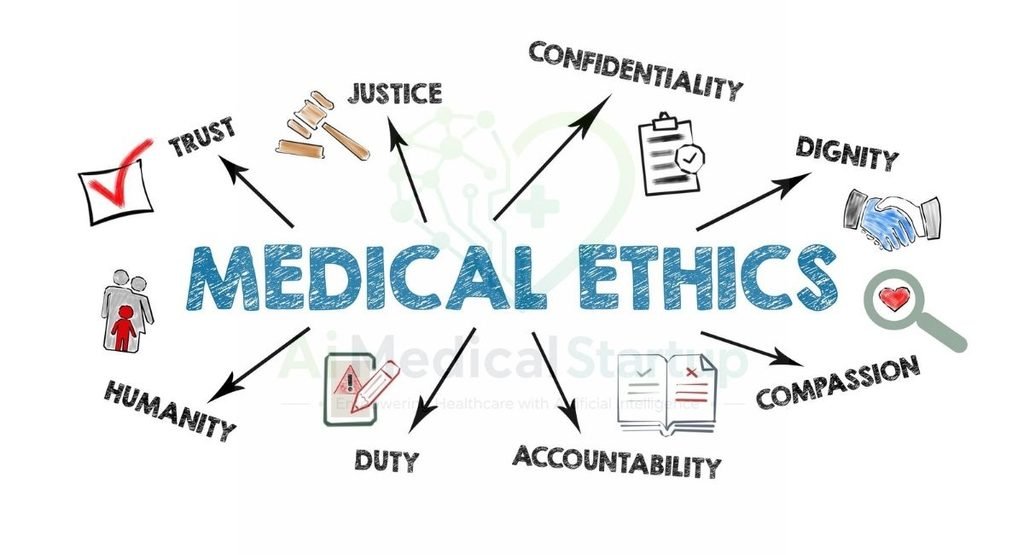
Regulation can sometimes feel slow compared with technological development. Yet the reason is understandable. Healthcare decisions can affect safety, privacy, and human life. Responsible innovation must therefore work with regulators rather than treating regulation as an obstacle.
Digital Health Inequality and the Access Gap
A sophisticated healthcare application is useless to someone without connectivity, suitable hardware, digital skills, or affordable access.
This makes equity a central issue. The future should not create two healthcare systems: one powered by advanced technology and another left behind. Healthcare accessibility needs to remain part of technology planning from the beginning.
Training Healthcare Professionals for New Technologies
A new system can fail even when its technology works perfectly. If clinicians do not understand it, trust it, or have time to use it, adoption suffers.
Training should therefore focus on real workflows. Professionals need to understand what a tool does, what it cannot do, when to question it, and how to respond when something goes wrong.
Balancing Innovation With Patient Safety
Healthcare should never adopt technology simply because it is impressive. The better question is whether it improves care without introducing unacceptable risks.
This is where clinical outcomes become crucial. If a system saves time but reduces diagnostic accuracy, it is not progress. If it improves efficiency while protecting patients, it becomes genuinely valuable.
How Healthcare Organizations Can Prepare for the Future
Preparing for tomorrow does not mean buying every new technology today. Healthcare organizations should begin with real problems. They should identify where patients experience delays, where clinicians lose time, and where better information could improve decisions.
A thoughtful strategy also needs measurable goals. Organizations can test smaller projects before expanding them, compare results against existing workflows, and listen to patients and staff. This practical approach makes healthcare implementation less risky and more sustainable.
Identify the Right Technology for the Right Problem
Technology should follow the problem, not the other way around. A hospital should not introduce AI merely because competitors are discussing it.
Instead, leaders can ask what outcome they want to improve. The answer might involve faster diagnosis, fewer administrative tasks, better follow-up, improved medication management, or stronger patient communication.
Build Strong Digital and Data Infrastructure
Advanced tools depend on reliable foundations. Organizations need secure networks, interoperable systems, accurate data, strong identity management, and resilient infrastructure.
Without those foundations, even excellent AI or IoMT solutions can struggle. Think of digital infrastructure as the plumbing of modern healthcare. Nobody notices it when it works, but everything depends on it.
Put Patients at the Center of Technology Decisions
Technology should make healthcare easier to navigate, not harder. Patients need clear explanations, accessible interfaces, privacy protections, and meaningful choices.
Patient feedback can reveal problems that technical teams miss. A system may look elegant in a demonstration but become frustrating during a stressful medical appointment. Designing with patients helps close that gap.
Train Healthcare Workers for a Technology-Driven Future
Training should extend beyond basic software instructions. Clinicians need enough digital literacy to understand AI recommendations, recognize limitations, protect data, and communicate technology-related decisions with patients.
Continuous learning will become increasingly important. Healthcare professionals will not need to become programmers, but they will need confidence working alongside increasingly sophisticated digital systems.
Establish Responsible AI and Technology Governance
Governance creates boundaries around innovation. Organizations should define who approves technologies, who monitors performance, who handles incidents, and who remains accountable for decisions.
Clear governance also supports patient data protection. It ensures that new tools are evaluated for security, privacy, bias, effectiveness, and ethical implications before they become embedded in everyday care.
Measure Whether New Technology Actually Works
A successful technology project needs measurable outcomes. Organizations can examine patient experience, safety, efficiency, cost, access, and clinical performance.
The most useful question is simple: did the technology improve something that matters? If the answer is unclear, expansion may be premature. Measurement keeps healthcare innovation grounded in evidence rather than excitement.
Conclusion
The story of How the Medical Industry Is Adapting to a New, Better Tomorrow is ultimately a story about people. AI, connected devices, robotics, genomics, virtual care, automation, and advanced data systems are tools. Their real value depends on how thoughtfully people use them.
The future will not belong to organizations that simply collect the most technology. It will belong to those that connect innovation with evidence, safety, privacy, accessibility, and human expertise. When technology removes friction instead of adding it, healthcare can become more responsive and more personal.
The most exciting possibility is not a hospital filled with machines. It is a healthcare system where the right information reaches the right professional at the right moment, while patients receive care that fits their individual needs. That is the direction in which healthcare technology is heading.
In the USA, UK, and EU, regulatory frameworks are already evolving around AI, health data, interoperability, and digital services. The EU’s European Health Data Space, for example, is designed to strengthen cross-border health-data access and interoperability over a phased implementation period.
So, How the Medical Industry Is Adapting to a New, Better Tomorrow is not simply about predicting the next medical gadget. It is about building a smarter healthcare ecosystem. If innovation remains patient-centered, evidence-driven, secure, and inclusive, tomorrow’s medicine could be not only more advanced, but genuinely better.
FAQs
How is the medical industry adapting to a new, better tomorrow?
The medical industry is combining AI, connected devices, virtual care, genomics, robotics, automation, and advanced data systems. The broader goal is to support safer decisions, improve access, personalize treatment, and strengthen patient outcomes without removing human judgment from healthcare.
What technology is having the biggest impact on healthcare?
AI is among the most influential technologies because it can support diagnosis, research, documentation, prediction, and operational workflows. However, its impact becomes greater when it connects with IoMT, EHR systems, genomics, and remote monitoring rather than operating as a standalone tool.
How is AI changing the medical industry?
AI can analyze large datasets, identify patterns, support diagnosis, summarize information, and assist medical research. AI-powered healthcare is increasingly moving into regulated medical-device applications, although safe deployment requires validation, monitoring, transparency, and appropriate clinical oversight.
What is the role of telemedicine in modern healthcare?
Telemedicine allows patients to communicate with healthcare professionals remotely. It can improve convenience and access, particularly for follow-up appointments and geographically underserved communities. It works especially well when combined with remote patient monitoring and appropriate in-person services.
What is the difference between IoMT and IoT?
IoT is a broad term for connected devices across many industries. The Internet of Medical Things focuses specifically on connected medical and health-related devices. IoMT requires particularly strong security because its systems can process sensitive health information and influence clinical decisions.
How is precision medicine changing patient treatment?
Precision medicine uses individual characteristics to guide healthcare decisions. Genomics, biomarkers, clinical history, and other information can help clinicians identify more suitable treatment strategies for certain patients. Cancer care is one area where this approach has become especially important.
Will robots replace doctors and nurses?
Robots are more likely to support healthcare professionals than replace them completely. They can assist with surgery, rehabilitation, logistics, and repetitive tasks. Human professionals remain essential for judgment, empathy, communication, complex decisions, and accountability.
Can 3D printing create human organs?
Researchers are studying bio-printing and tissue engineering, but printing a complete, fully functional transplant-ready human organ remains a major scientific challenge. Researchers must solve complex problems involving living cells, blood vessels, tissue organization, biological function, and long-term stability.
How does blockchain protect healthcare data?
Blockchain can create tamper-evident records and may support secure transactions, verification, or consent management. However, it is not automatically safer than every alternative. Effective blockchain in healthcare depends on appropriate architecture, governance, privacy design, interoperability, and the specific problem being addressed.
How is technology improving mental healthcare?
Technology can expand access through virtual services, digital assessments, remote support, and other tools. Mental health technology can complement professional care, but it should not be treated as a universal substitute for clinical assessment or emergency intervention. WHO highlights both opportunities and risks associated with digital environments.
Why is interoperability important in healthcare?
Interoperability allows different healthcare systems to exchange and understand information. Without it, clinicians may struggle to obtain complete patient histories. Strong healthcare interoperability can support continuity of care, reduce information gaps, and make cross-provider collaboration easier.
What are the biggest risks of healthcare technology?
Major risks include cybersecurity threats, privacy breaches, AI errors, bias, high costs, regulatory uncertainty, poor integration, and unequal access. These risks do not mean healthcare should avoid innovation. They mean every technology needs careful evaluation before widespread adoption.
How can hospitals prepare for future healthcare technology?
Hospitals can begin by identifying specific problems, strengthening digital infrastructure, improving data governance, training staff, involving patients, and measuring results. A gradual approach can reduce unnecessary spending while helping organizations discover which technologies actually improve clinical outcomes.
Will healthcare technology become more accessible in developing countries?
Access could improve as digital services, mobile technologies, remote care, and lower-cost devices expand. However, infrastructure, affordability, workforce capacity, connectivity, and regulation remain important barriers. WHO emphasizes responsible digital transformation that addresses inequity rather than allowing technology to deepen existing gaps.




Dr. Kanza Sarfraz, M.B.B.S., is a medical doctor and graduate of Allama Iqbal Medical College, Lahore. She brings nearly seven years of clinical experience across tertiary-care hospitals, medical headquarters, and healthcare facilities in both the public and private sectors. Her clinical experience provides a practical perspective on healthcare delivery, emerging medical technologies, and the evolving role of artificial intelligence in medicine.