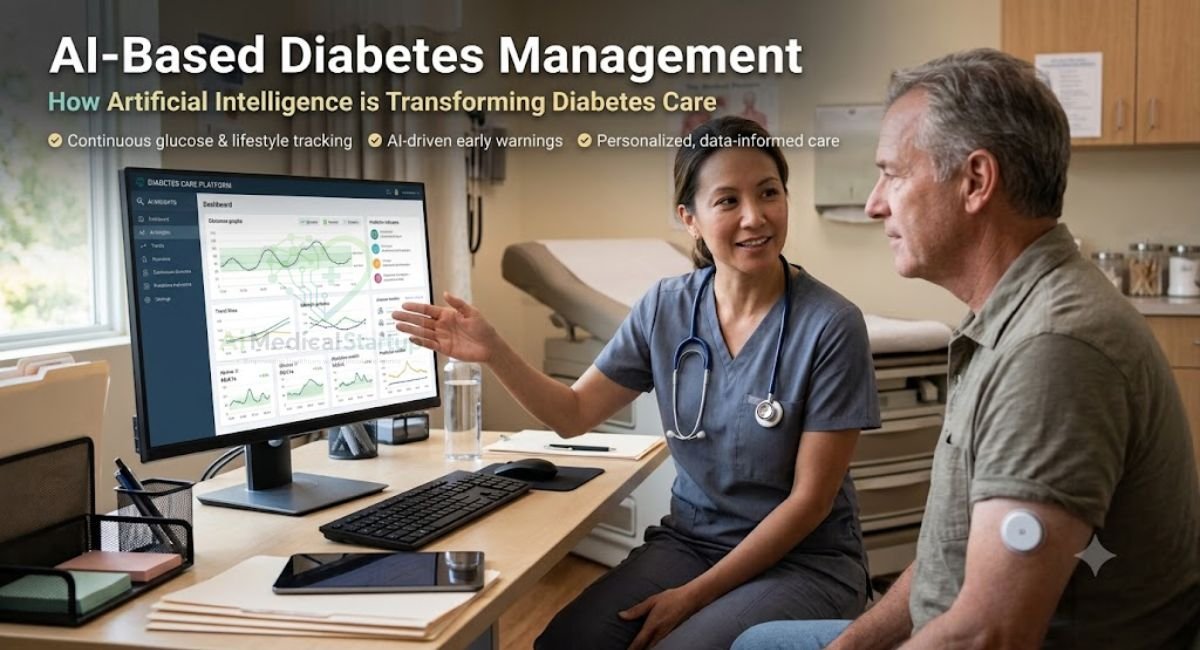

AI-Based Diabetes Management: How Artificial Intelligence Is Transforming Diabetes Care in Primary Care
Discover how machine learning, predictive analytics, and automated monitoring tools are empowering primary care providers to improve patient outcomes, prevent complications, and streamline diabetes management.
Smarter Care Diagnostics
94% accuracy in early intervention prediction using clinical AI models in primary care settings.
Diabetes is no longer a condition managed only through routine checkups and medication adjustments. As patient numbers continue to rise, primary care teams need smarter ways to detect risks, monitor glucose patterns and personalize treatment. AI-based diabetes management is emerging as a powerful approach, combining medical data with machine learning to support faster and more informed clinical decisions. From blood glucose management and continuous monitoring to early risk prediction, artificial intelligence can help clinicians identify concerning patterns before they become serious problems.
It can also support personalized diabetes care by analyzing factors such as glucose readings, medical history, lifestyle habits and treatment responses. In primary care, these capabilities may improve diabetes screening and strengthen long-term disease monitoring without replacing the judgment of healthcare professionals. As artificial intelligence in diabetes care continues to evolve, its role is shifting from experimental technology toward practical clinical support, offering new opportunities for earlier intervention, better coordination and more patient-centered diabetes care.
Understanding AI-Based Diabetes Management in Primary Care
The basic idea behind diabetes management in primary care is straightforward: detect problems early, understand the patient’s risk and act before complications become harder to control. AI can strengthen each part of that process by examining information at a scale that would be difficult for a clinician to process manually. This is one reason artificial intelligence in healthcare has attracted growing attention across screening, monitoring and chronic disease management.
For example, an AI system can examine longitudinal laboratory results alongside medication records, weight measurements and glucose trends. It may then flag a pattern suggesting rising metabolic risk. That does not mean the software has diagnosed the patient. Instead, it gives the healthcare professional another useful signal to investigate. The distinction matters because good AI-powered healthcare is not about replacing the doctor. It is about helping the doctor see the bigger picture sooner.
What Is AI-Based Diabetes Management?
At its core, AI-based diabetes management uses computational methods to analyze health information and generate predictions, classifications or recommendations. Machine learning models can learn relationships within clinical datasets while deep learning systems can identify complex patterns in images and other high-dimensional information. These technologies can support screening, risk stratification, glucose forecasting and complication detection.
The practical value comes from connecting different data streams. A system may combine complex healthcare data, laboratory measurements, medication history and wearable readings with clinical information. Its output might be a risk score, an alert or a recommendation for further review. The final clinical decision still depends on context, patient preferences and professional judgment rather than on an algorithm alone.
Why Primary Care Is Important in Diabetes Management
Primary care sits close to the beginning and middle of the diabetes journey. It is often where diabetes screening, risk assessment, lifestyle counseling and long-term monitoring occur. Because many people with type 2 diabetes have few obvious symptoms initially, primary-care teams can play an important role in recognizing risk before the disease becomes clinically obvious.
Primary Care Capabilities and Outcomes
Hover over the bars to compare traditional vs. AI-supported clinical metrics.
This setting also creates an enormous amount of longitudinal information. Weight changes, blood pressure, laboratory tests, prescriptions and previous diagnoses can form a useful clinical timeline. AI can help organize that timeline and identify people who may require attention. In this way, primary healthcare can become more proactive rather than waiting for complications to force the issue.
How AI Supports Doctors and Patients
AI can act like an additional analytical layer around routine care. Clinical decision support systems may identify patients who need screening, flag unusual glucose patterns or help clinicians interpret large amounts of information. For patients, connected technologies can provide real-time health information and reminders that support everyday self-management without requiring a clinic visit for every question.
The strongest model is collaborative. A clinician provides context that an algorithm may not understand, while the algorithm can rapidly analyze information that humans cannot easily review at scale. This combination of human intelligence and computational analysis can make patient-centered care more responsive. WHO similarly emphasizes human autonomy, safety, transparency, accountability, equity and sustainability when AI is used in health.
AI vs. Traditional Diabetes Care
Traditional diabetes care often depends on periodic appointments, laboratory testing and patient-reported information. AI-supported care can add continuous or near-continuous analysis between those appointments. That difference can be valuable because glucose control is not static. It changes with food, activity, medication, illness, sleep and many other factors.
Traditional vs. AI-Supported Diabetes Care
How Artificial Intelligence transforms clinical workflows and patient outcomes
| Traditional Approach | AI-Supported Approach |
|---|---|
| Periodic Periodic clinical review | Continuous Continuous or frequent data analysis |
| Manual risk assessment | Algorithm-assisted risk stratification |
| Retrospective glucose review | Glucose trend and blood glucose prediction |
| General treatment planning | More individualized treatment support |
| Manual image interpretation | Automated image analysis in validated applications |
| Reactive follow-up | Earlier alerts and early intervention |
Still, AI does not make conventional medicine obsolete. Established tests, physical assessment, clinical history and shared decision-making remain fundamental. The real shift is that clinicians can gain another analytical tool between conventional encounters.
Diagnosis and Early Detection of Type 2 Diabetes
The earlier diabetes is identified, the more opportunity there may be to address its causes and consequences. Early detection of diabetes is especially important because asymptomatic diabetes can progress quietly. The American Diabetes Association's 2026 Standards of Care recognize A1C and plasma glucose criteria for diagnosis and recommend risk-based screening for people at increased risk.
AI can complement that pathway by identifying people who may warrant closer assessment. However, prediction is not the same as diagnosis. A model can estimate probability based on a patient's data, while validated laboratory testing establishes whether diagnostic criteria are met. Keeping those roles separate protects patients from both false reassurance and unnecessary alarm.
How Type 2 Diabetes Is Traditionally Diagnosed
Established diabetes diagnosis relies on biochemical evidence rather than an AI prediction. Current ADA guidance recognizes A1C, fasting plasma glucose and the two-hour plasma glucose value during a 75-g oral glucose tolerance test as diagnostic approaches. In the absence of unequivocal hyperglycemia, confirmatory testing is generally required.
ADA & NICE Diagnostic Standards vs. AI Signal
2-Step Clinical Workflow
AI Risk Prediction
Continuous monitoring of EHR trends & demographics.
Clinical Triage
High-risk alert generated for physician review.
Lab Confirmation
A1C (≥6.5%) or Fasting Glucose (≥126 mg/dL).
Definitive Plan
Formal diagnosis and tailored medical care.
This distinction is crucial for anyone discussing AI-based diagnosis. A prediction model may identify a person as high risk, but it should not be presented as a substitute for appropriate laboratory testing. In the UK, NICE guidance also places HbA1c at the center of type 2 diabetes assessment and management.
How AI Can Support Diabetes Risk Assessment
AI can turn scattered information into a more coherent diabetes risk assessment. A model may analyze age, weight, blood pressure, previous laboratory values, medications, family history and other clinical variables. Predictive analytics can then estimate the likelihood of developing diabetes or experiencing a complication within a defined period.
The benefit is particularly interesting in busy primary-care environments. Instead of waiting until every risk factor becomes clinically obvious, an algorithm can scan a large patient population and highlight a high-risk population for professional review. The clinician can then decide whether additional testing, counseling or preventive healthcare is appropriate.
AI-Based Detection of Prediabetes
Prediabetes represents an important window for prevention. It indicates abnormal glucose regulation that does not meet the diagnostic threshold for diabetes. The ADA's 2026 guidance includes A1C, fasting plasma glucose and oral glucose tolerance testing within the framework for identifying prediabetes.
AI can add value by estimating which patients may be more likely to develop diabetes and therefore benefit from testing or prevention efforts. That can support diabetes prevention through lifestyle modification, weight management and other evidence-based interventions. Yet the algorithm should guide attention rather than label someone permanently. Risk is dynamic and can change as health circumstances change.
Predicting Diabetes Before Symptoms Appear
Diabetes does not always announce itself with dramatic symptoms. A person can feel perfectly well while metabolic abnormalities gradually develop. AI-based diabetes prediction aims to recognize patterns before obvious clinical deterioration occurs. Models can analyze longitudinal information and detect combinations of risk factors that might otherwise remain fragmented across medical records.
This approach illustrates the difference between prediction and certainty. A high predicted risk does not mean diabetes is inevitable. Instead, it creates an opportunity for early treatment, testing and lifestyle intervention. When used responsibly, prediction becomes a nudge toward investigation rather than a substitute for diagnosis.
Electronic Health Record Data
Electronic health records can provide a rich source of information for AI models. They may contain laboratory results, diagnoses, medications, vital signs and previous encounters. Machine learning algorithms can analyze these longitudinal records to identify relationships associated with future diabetes risk.
The challenge is data quality. Missing measurements, inconsistent coding and differences between healthcare systems can distort predictions. A model developed in one health system may also perform differently elsewhere. That is why clinical validation should accompany deployment rather than assuming that a strong research result automatically translates into routine practice.
Blood Glucose and HbA1c Patterns
Glucose and HbA1c measurements offer a window into changing metabolic health. AI can examine trends rather than viewing each result as an isolated number. A gradual shift across several measurements may carry different meaning from a single abnormal value.
However, algorithms need context. HbA1c can be affected by conditions that alter the relationship between HbA1c and glycemia. The ADA specifically notes situations where plasma glucose criteria should be used because of altered HbA1c interpretation.
Age, Weight, Lifestyle, and Family History
Risk models can incorporate familiar diabetes risk factors, including age, BMI, waist circumference, hypertension, smoking, family history and physical activity. Dietary patterns and other behavioral information may also contribute. These factors are useful because type 2 diabetes usually emerges from a complex interaction rather than a single cause. Still, data should never become a shortcut for stereotyping patients. Genetic factors, social circumstances and access to care can interact in complicated ways. A useful model should therefore complement a proper clinical assessment instead of reducing a person to a risk score.
Diabetes Risk Factors & Clinical Context
How predictive risk scores combine demographic, lifestyle, and clinical data to inform clinical care.
While algorithmic scores calculate risk based on data, genetics, social determinants of health (SDOH), and care access vary widely. Risk scores serve as triage guides, never a substitute for holistic clinical assessment.
Clinical Applications of Artificial Intelligence in Primary Care
The most interesting part of AI in primary care is not a futuristic robot making decisions. It is the quieter technology working behind the scenes. AI can sort information, detect patterns and highlight patients who may need attention. In a crowded clinic, that analytical assistance can be useful because clinicians face more data than any person can comfortably review.
The FDA describes AI and machine-learning medical-device applications across image processing, early disease detection, diagnosis, prognosis, risk assessment and personalized diagnostics. Its current AI-enabled device list also shows how rapidly the regulated device landscape continues to evolve.
AI-Assisted Clinical Decision Support
Clinical artificial intelligence can provide decision support by analyzing patient information and producing risk estimates or alerts. A system might identify an overdue screening test, detect an unusual laboratory pattern or highlight a patient whose risk profile has changed. The key word is support. AI-assisted clinical care works best when clinicians understand what the system does, know its limitations and retain responsibility for interpreting the result. WHO recommends meaningful oversight, transparency and accountability because apparently confident technology can still produce harmful errors.
Personalized Diabetes Risk Stratification
Not every patient carries the same level of risk. Risk stratification helps clinicians distinguish people who may need routine monitoring from those who could benefit from closer follow-up. AI can analyze multiple variables simultaneously and produce individualized estimates rather than relying on one factor alone. This can support individualized care when used appropriately. For example, two patients may have similar glucose measurements but very different cardiovascular histories, kidney function or medication profiles. A model that considers multiple dimensions may reveal a more nuanced picture than a single laboratory value.
Electronic Health Record Analysis
A medical record can resemble a puzzle with pieces scattered across years of appointments. AI can help assemble those pieces. Natural-language processing can analyze clinical notes while machine-learning systems can process structured laboratory and medication data. The goal is not simply to collect more information. It is to turn information into something clinically useful. Data-driven healthcare can help clinicians identify patterns, but the system must account for missing information, documentation errors and changes in clinical practice. Otherwise, the algorithm may confidently learn the wrong lesson.
Identifying Patients at High Risk of Complications
Diabetes can affect several organ systems over time. Diabetes complications include diabetic retinopathy, diabetic nephropathy, diabetic neuropathy, cardiovascular disease and peripheral vascular disease. AI can potentially help identify patients whose combined clinical profile suggests elevated complication risk. The value lies in prioritization. A clinician cannot manually calculate every possible future outcome for every patient during a busy consultation. AI can help highlight patterns for review, supporting complication prevention and more timely referral when appropriate.
AI-Powered Patient Monitoring
The rise of connected devices is changing what monitoring can look like. Remote patient monitoring can bring glucose readings, weight, blood pressure and other measurements into a broader care pathway. Wearable devices can generate large amounts of wearable device data, while mobile platforms can support communication between patients and healthcare teams.
This creates a more continuous form of health monitoring. Instead of asking what happened during the last clinic visit, clinicians can sometimes examine what happened between visits. The challenge is avoiding information overload. More data are useful only when the care team can interpret them and act appropriately.
Predictive Analytics
Predictive analytics examines existing information to estimate what might happen next. In diabetes care, this can include forecasting glucose changes, identifying patients at higher risk of complications or detecting patterns associated with future deterioration. The strength of predictive models comes from pattern recognition across large datasets. Their weakness is uncertainty. A prediction is not a promise. It describes a probability under particular assumptions, so clinicians should consider the model's validation population, performance characteristics and clinical context.
Clinical Alerts and Recommendations
An alert can be useful when it appears at the right moment. AI may identify hyperglycemic events, potential hypoglycemic events or other concerning trends and notify a patient or clinician. The purpose is to prompt appropriate action rather than create anxiety. Poorly designed alerts can cause fatigue. If every minor fluctuation generates a notification, users may eventually ignore the important ones. Effective systems therefore need sensible thresholds, clear explanations and appropriate escalation pathways.
Personalized Treatment Planning
AI can help organize information relevant to personalized treatment. Glucose trends, medication history, lifestyle patterns and previous treatment responses can be analyzed together. This may support personalized healthcare rather than a one-size-fits-all approach. The final plan should still reflect the person's circumstances. Dietary preferences, work schedule, financial resources, cultural factors and treatment goals can influence whether a recommendation is practical. Technology should fit the patient's life rather than asking the patient to fit the technology.
AI for Diabetes Screening, Monitoring & Risk Prediction
Screening and monitoring are natural areas for AI because they generate repeated measurements. AI-based screening can help prioritize people for testing while monitoring systems can examine what happens after diagnosis. Together, these approaches create a bridge between prevention and ongoing diabetes care.
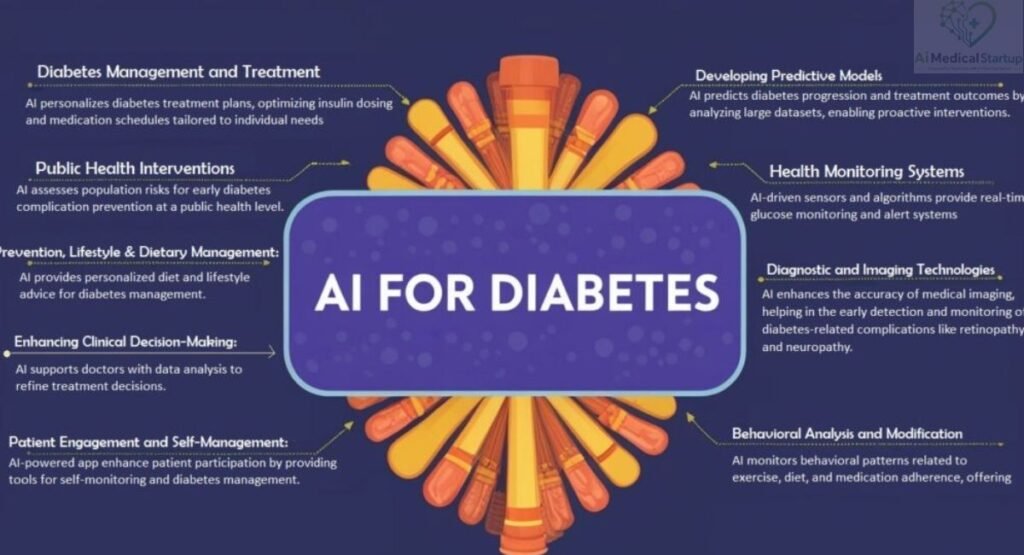
There is an important caveat. Current ADA guidance states that evidence is insufficient to use CGM itself for screening or diagnosis of prediabetes or diabetes. That means readers should distinguish between using glucose technology for management and using it as a validated diagnostic screening test.
AI-Based Screening for Type 2 Diabetes
AI-based screening can combine demographic, clinical and behavioral information to identify people who may warrant conventional diabetes testing. Non-invasive screening approaches are also being explored, including models using wearable measurements and novel sensing technologies.
Researchers have investigated unusual signals such as facial texture features and tongue feature analysis. These approaches are intriguing because they could eventually broaden access to screening. However, emerging technologies require rigorous external validation before they should be treated as established clinical tools.
Continuous Glucose Monitoring and AI
Continuous glucose monitoring has transformed the amount of glucose information available to many people with diabetes. Instead of isolated finger-stick readings, CGM biosensors can provide repeated measurements and trend information throughout the day.
AI can analyze this stream to identify patterns around meals, activity, sleep and medication. Modern systems can also provide alerts for rising or falling glucose. FDA-authorized CGM technologies already provide real-time glucose information and trend alerts, although specific indications vary by device.
Predicting Blood Glucose Trends
Glucose rarely behaves like a straight line. A meal, exercise session, medication dose or stressful day can shift the trajectory. Glucose level prediction attempts to anticipate that movement by analyzing recent and historical measurements.
These glucose prediction algorithms can become more useful when they incorporate contextual information. A model that knows only the previous glucose value has less information than one that can also consider meals, physical activity and medication. Even then, forecasts remain estimates and should not be mistaken for certainty.
Detecting Abnormal Glucose Patterns
A single high or low reading can have many explanations. Repeated patterns tell a different story. AI can examine dynamic glucose monitoring data to identify recurrent overnight lows, post-meal spikes or periods of unstable glucose.
This can support stable blood sugar levels by drawing attention to patterns that might otherwise disappear inside a large dataset. However, users still need to interpret readings alongside symptoms and clinical advice. Technology should make the signal clearer, not encourage people to ignore the wider clinical picture.
Predicting Diabetes-Related Complications
Long-term diabetes can damage blood vessels and nerves. Micro-vascular complications include retinal, renal and neurological disease while macro-vascular complications include major cardiovascular and vascular disease. AI can potentially identify combinations of factors associated with these outcomes.
The important concept is prevention. If a model highlights increased risk, the next step should be appropriate clinical assessment and intervention. Predictive technology becomes meaningful when it changes care in a beneficial way rather than simply generating another number on a dashboard.
Diabetic Retinopathy
Diabetic retinopathy is a particularly important target for AI because retinal photographs contain patterns that computer-vision systems can analyze. FDA-recognized retinal diagnostic software can use AI algorithms to evaluate fundus images for retinal disease and identify people with referable retinopathy.
This can support screening pathways by helping identify patients who require further ophthalmic assessment. The technology does not eliminate the need for appropriate eye care. Image quality, disease severity and the specific indication of the device all matter.
Diabetic Kidney Disease
Diabetes can affect kidney function gradually, making longitudinal surveillance important. AI models can analyze laboratory values, diagnoses and other patient information to estimate renal risk. Renal function monitoring can therefore become more data-driven when multiple measurements are considered together.
The concept is especially relevant to diabetic kidney disease, where early recognition can influence monitoring and management. AI may help prioritize attention, but clinicians still need validated laboratory assessments and appropriate guideline-based care.
Cardiovascular Risk
Diabetes and cardiovascular disease frequently intersect. Risk models can consider blood pressure, lipid measurements, kidney function, smoking history and other factors when estimating cardiovascular risk. AI can process these variables simultaneously rather than examining each one in isolation.
That may help identify people who need closer assessment for cardiovascular disease, including conditions such as ischemic heart disease. Yet risk prediction should remain part of broader cardiovascular prevention rather than becoming a standalone decision-making system.
Diabetic Neuropathy
Diabetic neuropathy can develop gradually and may not be obvious during a short consultation. AI-assisted approaches are being explored for symptom analysis, physiological measurements and risk prediction. Similar principles apply to diabetic foot assessment, where early recognition of risk can support preventive care.
The goal is not to replace a physical examination. Instead, AI could help identify patients who warrant more careful assessment. That distinction is important because neuropathy and foot complications can involve clinical findings that algorithms may not capture.
AI-Based Blood Glucose Management and Insulin Guidance
For many people living with diabetes, daily management is where technology becomes tangible. Blood glucose management involves countless decisions about food, activity, medication and insulin. AI can help turn continuous measurements into predictions and alerts, reducing some of the mental burden associated with constant monitoring.
The technology has already moved beyond theory in automated insulin delivery. FDA-authorized systems connect CGM data with insulin pumps and algorithmic controllers. In 2024, the FDA expanded an automated glycemic controller indication to include adults with type 2 diabetes, illustrating how automated diabetes technologies are moving into broader populations.
AI-Powered Blood Glucose Prediction
Blood glucose prediction attempts to estimate future glucose levels using recent measurements and other contextual signals. If a system detects a trajectory toward hypoglycemia, it may generate an early warning before the glucose reaches a more dangerous level. Prediction can also support broader glycemic control. By revealing recurring patterns, AI may help clinicians and patients understand how meals, exercise and treatment interact. The usefulness of a forecast depends on the quality of the data and the validated performance of the system.
Personalized Insulin Dose Support
Insulin management requires precision because too little insulin can contribute to hyperglycemia while too much can cause hypoglycemia. AI-based systems can analyze glucose trends and other variables to provide insulin dosage guidance or support insulin dose calculation. This is an area where safety cannot be treated as an afterthought. Algorithms should operate within validated indications and appropriate safeguards. A patient should not independently change an insulin regimen simply because a consumer AI system produces a confident-looking recommendation.
Insulin Dose Calculator
Calculate mealtime bolus and correction doses based on target glucose and ratios.
AI and Continuous Glucose Monitoring
CGM provides the raw material for many modern automated systems. Continuous glucose monitoring captures repeated glucose values while software identifies trends, patterns and alerts. When connected to an insulin pump, the algorithm can use those readings to adjust insulin delivery within the system's approved design.
FDA documentation describes automated insulin-delivery systems in which CGM readings communicate with an insulin pump through an algorithm. Some systems automatically adjust insulin delivery while others use different levels of automation.
Automated Alerts for Hypoglycemia and Hyperglycemia
An effective alert is a small warning with potentially large value. AI-enabled systems can identify patterns associated with hypoglycemic events and hyperglycemic events, then notify the user before or during an episode depending on the system's capabilities.
For example, a CGM may identify a downward glucose trend and alert the user. More advanced automated systems can respond through insulin-delivery adjustments. FDA-cleared technologies demonstrate that these capabilities are not merely theoretical, although performance and indications vary among products.
AI-Powered Diabetes Management Apps
Mobile technology has turned smartphones into useful companions for diabetes management. Diabetes management apps can record glucose values, meals, medication and activity while some provide educational or decision-support features. mHealth apps can also connect users with remote care teams.
The strongest applications do more than count numbers. They help users understand patterns and take appropriate action. Still, consumer applications vary widely in evidence and regulation. A polished interface does not automatically mean a clinical recommendation is trustworthy.
AI for Insulin Titration
AI-assisted insulin titration can use historical glucose data, treatment response and other variables to support adjustment decisions. The goal is to make insulin therapy more responsive to the individual's changing needs rather than relying only on fixed assumptions.
However, insulin titration remains a high-stakes activity. The system needs validated algorithms, clear indications and safeguards. Clinicians should understand when recommendations are reliable and when unusual circumstances require a different approach.
Closed-Loop and Automated Insulin Delivery
Closed-loop systems connect glucose sensing with insulin delivery through a control algorithm. FDA describes artificial-pancreas systems as combinations of CGM technology, insulin pumps and computer-controlled algorithms that help regulate glucose.
These systems illustrate how AI-enabled diabetes management can move from prediction toward action. Yet not every automated insulin-delivery system is the same and not every system should be described as AI in the same technical sense. The precise algorithm, regulatory indication and degree of automation matter.
Human Oversight in Insulin Decisions
Human oversight becomes especially important when technology influences medication delivery. Patients can experience illness, unusual meals, device failures or other circumstances that fall outside the algorithm's expectations. Clinicians and users therefore need clear instructions for responding when the system behaves unexpectedly.
WHO emphasizes that humans should remain in control of healthcare systems and medical decisions while safety, transparency and accountability remain central to AI deployment.
AI in Gestational Diabetes Prediction and Management
Pregnancy adds another layer of complexity to diabetes care. Gestational diabetes mellitus affects maternal glucose regulation during pregnancy and can influence both maternal health and fetal health. Screening and management therefore require careful coordination between obstetric and diabetes services.
AI may support this process by identifying risk patterns earlier and helping organize monitoring data. However, pregnancy is a setting where clinical validation matters enormously. A prediction model should complement established prenatal pathways rather than replace them.
What Is Gestational Diabetes?
Gestational diabetes refers to diabetes first recognized during pregnancy. It can increase risks for the mother and baby when it is not appropriately detected and managed. NICE guidance describes structured assessment, glucose monitoring and individualized targets within pregnancy care.
The condition also has implications beyond delivery. Women who have experienced gestational diabetes have an increased future risk of type 2 diabetes. That makes postpartum follow-up an important part of the wider prevention story rather than an administrative footnote.
How AI Predicts Gestational Diabetes
GDM prediction models can analyze maternal characteristics, clinical history and laboratory information to estimate risk. Some researchers are exploring models that use information available early in pregnancy so that higher-risk women can receive appropriate assessment sooner.
The attraction is obvious: prediction could potentially move risk identification earlier in the pregnancy timeline. Still, predictive performance varies across populations. A model trained in one demographic group may not perform equally well in another, which makes external validation essential.
Risk Factors Used by AI Models
AI models may consider maternal age, BMI, previous gestational diabetes, family history, blood pressure, laboratory findings and other clinical variables. Some research also investigates genetic factors and broader family genetics. The model should not become a black box that labels a pregnancy without explanation. Clinicians need to understand which factors influence the prediction and what action the result should trigger. Risk assessment is useful only when it leads to an appropriate clinical pathway.
AI-Based Screening During Pregnancy
AI could potentially support earlier non-invasive screening and help prioritize women for established testing. That may be particularly valuable where specialist resources are limited. However, predictive screening should not be confused with definitive diagnosis. NICE guidance emphasizes formal risk assessment and testing pathways for gestational diabetes. It also recommends glucose monitoring and individualized targets during pregnancy.
Personalized Monitoring and Management
Pregnancy changes rapidly, so personalized intervention can be particularly valuable. AI may help analyze glucose patterns, nutrition information and treatment responses between appointments. Remote technologies could also support prenatal care when appropriate. The best approach remains collaborative. A pregnant patient should understand what the technology measures, what its alerts mean and when professional help is needed. AI should make care more connected rather than make pregnancy feel like a dashboard of numbers.
Predicting Gestational Diabetes Before Diagnosis
Early prediction could identify women who warrant closer assessment before conventional diagnosis would normally occur. This is especially interesting for women with several established risk factors. However, an elevated prediction is not proof that pregnancy diabetes is present. It should trigger appropriate evaluation rather than premature labeling. This distinction protects patients from unnecessary anxiety while preserving the value of early risk detection.
Monitoring Maternal Blood Glucose
Glucose monitoring during pregnancy requires careful attention because both high and low glucose can matter. AI can help organize repeated measurements and identify trends that may deserve clinical review. NICE recommends individualized glucose targets during pregnancy and specific monitoring approaches depending on the treatment pathway. AI can potentially make those measurements easier to interpret, but it should operate within established clinical guidance.
Predicting Pregnancy-Related Complications
Predictive models may eventually help estimate risks associated with gestational diabetes and other pregnancy complications. Such tools could support earlier assessment and more targeted follow-up. The evidence needs careful interpretation, though. A prediction model must demonstrate reliable performance in the population where it will be used. Pregnancy outcomes depend on many interacting biological and social factors that may not be fully represented in a dataset.
AI-Based Imaging and Detection of Diabetes Complications
Some of the most visible advances in healthcare AI involve images. Computers can analyze thousands of pixels rapidly and identify patterns associated with disease. In diabetes care, medical imaging has become an important area for research and clinical deployment, particularly in retinal disease.
The FDA's AI-enabled device landscape includes systems used for image acquisition and processing as well as diagnostic applications. This illustrates how AI imaging technology is becoming part of regulated medical-device development rather than remaining solely inside academic laboratories.
AI in Diabetic Retinopathy Screening
Retinal screening is a strong example of how AI can extend access to specialist-level image interpretation. A validated system can examine retinal photographs and identify patterns associated with diabetic eye disease. This can be particularly useful in primary care because screening may occur closer to where patients already receive routine healthcare. When an abnormality is detected, appropriate referral can follow. The algorithm therefore becomes one part of a larger care pathway rather than the entire pathway.
AI-Based Retinal Image Analysis
Computer vision can examine retinal images for subtle features associated with retinopathy and diabetic macular edema. AI systems may classify disease severity or identify patients requiring further evaluation. Research also explores DME detection and image segmentation. These systems demonstrate the potential of automated image analysis, although performance depends on image quality, patient population and the exact clinical task for which the algorithm was validated.
AI for Cardiovascular and Vascular Assessment
Diabetes can affect the cardiovascular system through multiple pathways. AI may analyze imaging and clinical information to support cardiovascular risk assessment, vascular evaluation and treatment planning. The broader concept is precision. Rather than considering diabetes as an isolated glucose problem, AI can help connect glucose control with cardiovascular and vascular health. That perspective supports a more comprehensive model of diabetes management.
AI in Kidney and Other Organ Assessment
AI research extends beyond the eye. Imaging and clinical models are being explored for kidney disease, vascular complications and diabetic foot assessment. In some research settings, AI can analyze patterns that might be difficult to quantify manually. The future may involve multimodal systems that combine imaging, laboratory results and longitudinal clinical information. Such treatment response prediction could eventually help clinicians understand which interventions are working. However, these applications require careful validation before routine use.
Automated Image Interpretation
Automated interpretation allows software to evaluate medical images according to a defined task. The analysis can help detect abnormalities, segment structures or classify images. The advantage is consistency and speed. The limitation is that an algorithm may fail when an image falls outside the conditions represented in its training data. Human review remains important, particularly when findings are ambiguous or the clinical situation is unusual.
Early Detection of Micro-vascular Complications
Diabetes-related damage can develop gradually, so detecting early changes matters. AI-assisted imaging may support early detection of retinal and other micro-vascular complications before symptoms become obvious. The value is greatest when detection leads to action. An algorithm that identifies a potential abnormality is only the first step. Follow-up testing, specialist assessment and appropriate treatment still determine what happens next.
Integrating Imaging Results Into Primary Care
AI imaging becomes more useful when its results fit smoothly into primary-care workflows. A screening system might identify a patient at increased risk and automatically prompt an appropriate referral or follow-up process. That requires interoperability, clear reporting and defined responsibilities. The clinician needs to know what the result means, what confidence the system has and what action is recommended. Without that context, even accurate technology can become another source of administrative clutter.
Benefits, Challenges, and Future of AI in Diabetes Care
The case for AI-based diabetes management is strongest when technology solves a genuine clinical problem. Earlier risk detection, continuous monitoring and faster analysis can all be valuable. AI may also help clinicians manage growing workloads while giving patients more insight into their own health. But healthcare is not a laboratory spreadsheet. People behave unpredictably, data can be incomplete and algorithms can fail. WHO therefore stresses safety, transparency, accountability, equity and human oversight when AI is deployed in healthcare.
Benefits of AI-Based Diabetes Management
AI can make diabetes care more proactive by identifying patterns earlier and processing information continuously. It can also support treatment optimization, help prioritize patients and make complex datasets easier to interpret.
Potential Benefits & AI Contributions
Discover how artificial intelligence enhances decision-making and patient outcomes in primary care.
Earlier Detection
Identifies patterns associated with rising risk before traditional indicators trigger standard alerts.
Personalized Care
Combines multiple patient-specific variables into targeted, individual therapy recommendations.
Continuous Monitoring
Analyzes repeated glucose readings, laboratory results, and real-time wearable device data streams.
Workflow Support
Automates selected routine analytical tasks to free up clinical time for high-value clinician interaction.
Risk Prediction
Estimates future complication risks or clinical deterioration patterns with high precision.
Targeted Screening
Helps prioritize high-risk patients for timely follow-ups and specialist assessments.
These benefits do not automatically occur simply because software contains AI. Clinical value depends on evidence, implementation quality and whether the technology improves real-world healthcare outcomes.
Earlier Detection
Earlier detection gives healthcare teams more time to respond. AI can examine longitudinal data and flag patterns associated with early risk detection. For diabetes, that may mean identifying a person who needs formal testing or recognizing a complication risk that deserves closer follow-up. The important point is that earlier detection should lead to useful clinical action rather than simply creating another notification.
Personalized Treatment
People respond differently to treatment. AI can examine glucose trends, medication responses and lifestyle information to support personalized treatment. That approach aligns with precision medicine, where decisions increasingly account for individual characteristics. However, personalization should include the person's goals and circumstances. A mathematically optimal recommendation may be useless if it does not fit the patient's daily life.
Continuous Monitoring
Traditional care provides snapshots. Connected technologies can provide a moving picture. Metabolic monitoring through CGM and other digital tools can reveal patterns that occasional measurements may miss. Continuous information can support remote diabetes care, especially when patients have difficulty attending frequent appointments. Yet monitoring should remain purposeful. A flood of data without a clinical response can create burden rather than value.
Reduced Clinical Workload
Healthcare professionals spend significant time reviewing records, organizing information and following up with patients. Automated systems can potentially reduce some repetitive analytical work. That does not mean AI removes the need for professionals. Instead, it can shift human effort toward tasks that require communication, judgment, empathy and complex reasoning. The best automation removes friction rather than removing people.
Improved Risk Stratification
AI can compare many variables simultaneously and identify patterns associated with future risk. This can support predictive healthcare and help clinicians decide where closer attention may be warranted. Risk models are most useful when they have been validated in the population where they are deployed. A model's performance can change across countries, healthcare systems and demographic groups.
Challenges and Limitations of AI in Primary Care
The biggest mistake would be to treat AI as infallible. Diagnostic errors, inaccurate predictions and misleading recommendations can occur. Models can also perform differently across populations because their training data may not adequately represent everyone. There are also broader questions about privacy, accountability and equity. WHO warns that systems trained mainly on data from high-income settings may not perform equally well in other populations and emphasizes inclusive design and governance.
Data Privacy and Security
Diabetes technology can process highly sensitive information. Glucose readings, medication records, genetic information and lifestyle data can reveal intimate details about a person's life. Strong cybersecurity, appropriate consent and responsible data governance are therefore essential. Healthcare organizations must also understand where data are stored, who can access them and how they may be reused.
Algorithmic Bias
An algorithm learns from its data. If the training dataset under-represents certain populations, the resulting model may perform poorly for those groups. This is why AI in primary care requires continuous evaluation. Developers and healthcare organizations should examine performance across relevant demographic and clinical groups rather than relying only on an overall accuracy number.
False Positives and False Negatives
Every prediction system has the possibility of error. A false positive may send someone for unnecessary testing while a false negative may create false reassurance. The consequences depend on the clinical task. A screening alert and an automated insulin adjustment do not carry the same level of risk. Systems therefore need safety measures proportionate to their intended use.
Lack of Clinical Transparency
Some AI systems can be difficult to explain. A clinician may see a risk score without fully understanding why the model reached that conclusion. Explainable AI aims to address this problem. Transparency does not mean exposing every line of computer code. It means giving users enough meaningful information to understand the system's intended use, limitations and reasoning.
Integration with Existing Healthcare Systems
A technically impressive system can fail if it does not fit the clinic. EHR compatibility, staff training, workflow design and alert management all influence adoption. Healthcare organizations also need clear governance. Someone must know who monitors performance, investigates errors and decides when a model needs updating. Without that infrastructure, AI can become an expensive layer sitting awkwardly on top of existing processes.
The Future of AI-Based Diabetes Management
The next stage of AI-based diabetes management in primary care will likely involve more connected and multimodal systems. Instead of analyzing one data source, future platforms may combine glucose measurements, laboratory results, medical images, medications, clinical notes and wearable signals.
Generative AI may also become useful for summarizing records, explaining trends and helping clinicians communicate complex information. WHO's 2025 guidance on large multimodal models emphasizes both their potential in healthcare and the need for evidence, governance and safeguards.
The most meaningful future is therefore not a machine replacing the clinician. It is a healthcare environment where the right information appears at the right moment. AI-enabled diabetes management could make care more predictive, connected and individualized while clinicians remain responsible for decisions that require context, accountability and human understanding.
Conclusion
Diabetes management is gradually shifting from a model based mainly on periodic measurements toward one that can incorporate continuous information and predictive analysis. Artificial intelligence in diabetes care can support screening, risk assessment, glucose forecasting, insulin delivery, complication detection and personalized monitoring. These capabilities may help healthcare professionals identify problems earlier and respond more efficiently.
Still, technology is only one piece of the puzzle. Reliable AI-powered healthcare needs validated algorithms, high-quality data, appropriate regulation and strong clinical oversight. For patients, it should provide useful information without creating confusion or replacing professional care. For clinicians, it should reduce unnecessary workload while preserving judgment. The future of diabetes management in primary care will ultimately depend not on how much AI can do, but on how safely and thoughtfully people use it.
Frequently Asked Questions About AI-Based Diabetes Management
Everything you need to know about how AI is changing diabetes care in primary clinical settings.
AI can support diabetes management by analyzing glucose measurements, laboratory results, clinical histories, and other health information. It can help with risk prediction, screening, glucose forecasting, complication detection, and selected forms of treatment support. Some regulated technologies also use algorithms to automate aspects of insulin delivery. The exact capability depends on the device or software and its approved indication.
Yes, AI can estimate a person's future diabetes risk using factors such as age, weight, family history, blood pressure, and laboratory information. However, diabetes prediction is different from a medical diagnosis. Current ADA guidance continues to rely on established glucose and A1C criteria for diagnosis rather than treating an AI prediction as diagnostic proof.
AI can analyze glucose trends and support blood glucose management through predictions, alerts, and automated systems. Continuous Glucose Monitoring (CGM) technology provides frequent measurements that software can interpret. Some automated insulin-delivery systems use algorithms to adjust insulin delivery based on CGM readings. FDA-authorized systems demonstrate that algorithm-based glucose management is already being used clinically.
AI models can estimate the risk of gestational diabetes mellitus using maternal characteristics, clinical history, and laboratory information. Research into early prediction is expanding. However, an AI-generated risk estimate does not replace established pregnancy screening or diagnostic pathways. NICE guidance continues to provide structured recommendations for risk assessment, testing, and glucose management during pregnancy.
AI-based retinal systems use computer-vision algorithms to analyze photographs of the retina. They can identify patterns associated with diabetic retinopathy and determine whether further assessment may be appropriate. The FDA recognizes a class of retinal diagnostic software that uses AI algorithms to analyze digital fundus images for retinal disease screening.
Some automated systems can calculate or adjust insulin delivery using glucose information and validated algorithms. However, the phrase "insulin dose recommendations" should not be interpreted as permission to follow an arbitrary consumer AI output. Automated insulin-delivery systems operate under specific regulatory indications and safety controls. Clinical context remains important, particularly when illness, device problems, or unusual circumstances occur.
Potential benefits include earlier risk detection, continuous monitoring, personalized analysis, complication prediction, and workflow support. AI can process large amounts of information quickly and identify patterns that may be difficult to recognize manually. However, the actual benefit depends on evidence, implementation, and whether the technology improves meaningful health outcomes rather than simply producing more data.
Potential risks include inaccurate predictions, false positives, false negatives, privacy problems, cybersecurity threats, algorithmic bias, and excessive reliance on automated recommendations. WHO emphasizes human autonomy, safety, transparency, accountability, and equity when AI is used for health care.
AI is more realistically viewed as a clinical support technology than a replacement for doctors. Algorithms can process data rapidly, but clinicians provide context, communication, physical assessment, shared decision-making, and accountability. The most useful model is likely to be AI-assisted clinical care, where technology handles appropriate analytical tasks while healthcare professionals remain central to patient care.

Dr. Kanza Sarfraz, M.B.B.S., is a medical doctor and graduate of Allama Iqbal Medical College, Lahore. She brings nearly seven years of clinical experience across tertiary-care hospitals, medical headquarters, and healthcare facilities in both the public and private sectors. Her clinical experience provides a practical perspective on healthcare delivery, emerging medical technologies, and the evolving role of artificial intelligence in medicine.