ai-medical-scribes

AI Medical Scribes

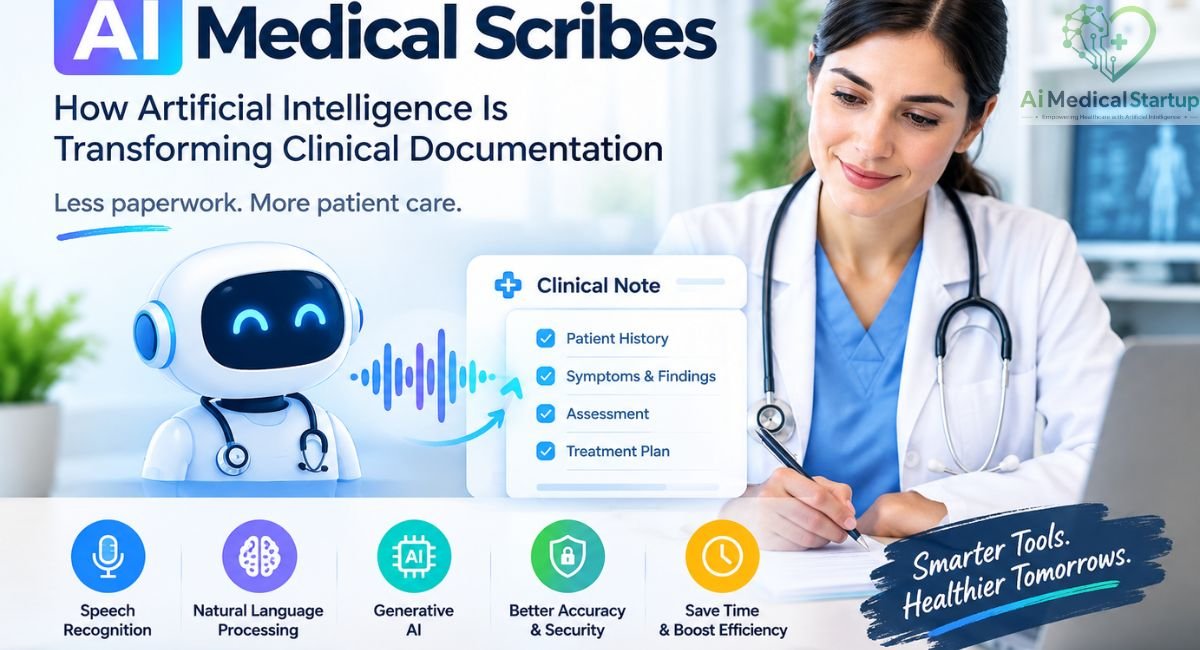
AI Medical Scribes: How AI Is Transforming Clinical Documentation

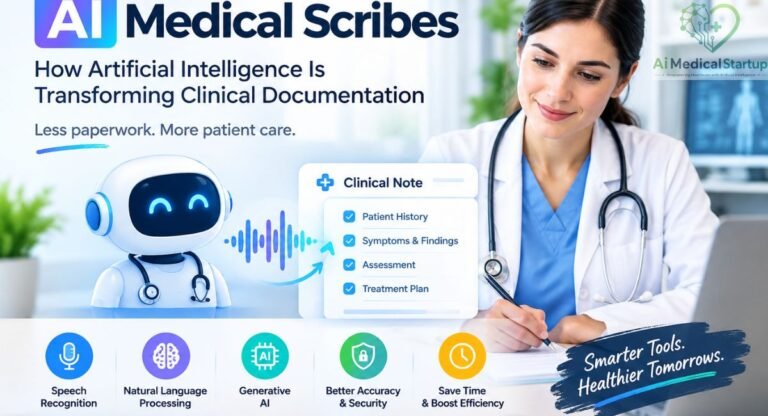
Clinical documentation can take almost as much energy as the patient visit itself. Physicians often spend hours reviewing notes, updating records, and completing administrative tasks after seeing patients. That is where AI Medical Scribes are changing the workflow. These intelligent systems can listen to clinician-patient conversations, understand relevant medical information, and turn spoken discussions into structured clinical notes. By combining artificial intelligence in healthcare, speech recognition, natural language processing, and generative AI, they can reduce repetitive documentation work while keeping clinicians involved in the final review.

For busy practices, this technology offers a practical way to streamline documentation without removing the human judgment that healthcare requires. However, AI-generated notes are not automatically perfect. Accuracy, privacy, security, EHR integration, and clinician oversight all matter. In this guide, you will learn how AI medical scribes work, what benefits they offer, how safe and accurate they are, what they cost, and what healthcare organizations should consider before adopting them.

What Is an AI Medical Scribe?

An AI medical scribe is software designed to assist with clinical documentation by processing information from a patient encounter and generating draft notes. Unlike ordinary transcription software, modern systems can interpret conversational context, identify clinically relevant details, and organize information into familiar medical formats. The goal is not merely to produce words, but to make documentation more useful.

Traditional medical scribes provide similar support through human observation and medical note-taking. An AI scribe attempts to automate parts of that process using speech recognition, natural language processing, and generative AI. Depending on the product, it may support real-time transcription, note generation, EHR workflows, or other documentation tasks. However, capabilities vary considerably between vendors.
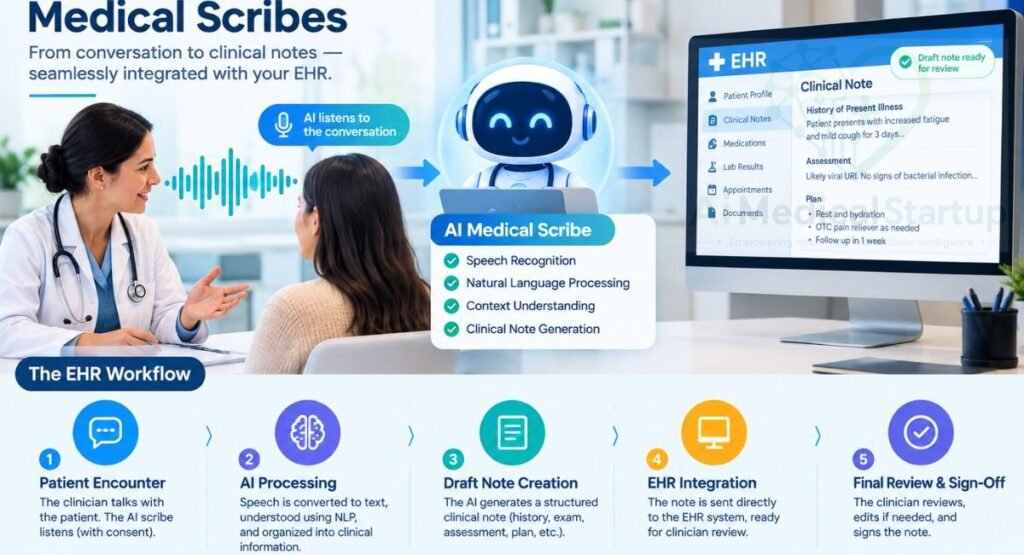
electronic-health-record-workflow
How EHR (Electronic Health Record) Workflow

What Does a Traditional Medical Scribe Do?

A traditional medical scribe typically documents patient encounters on behalf of a clinician, recording relevant medical history, examination findings, assessments, treatment plans, and other information for the electronic health record. The scribe may work beside the clinician or remotely. This arrangement reduces some clerical tasks, allowing the clinician to devote more attention to the patient.

Human scribes can also understand conversational nuance and ask for clarification when appropriate, although their performance naturally depends on training and experience. They may help organize patient charts, document medical test results, and support the broader physician workflow. Their presence, however, introduces staffing, training, scheduling, and scalability considerations that software handles differently.

How Is an AI Scribe Different from a Human Scribe?

The biggest difference is how the documentation work gets performed. An AI system can record patient-doctor interactions, process speech, and generate clinical notes without another person sitting in the room. A human scribe brings judgment and situational awareness, while an AI scribe brings automation, scalability, and rapid processing.

That distinction does not mean AI is automatically better. A systematic review found that AI scribes generally show promising efficiency benefits, yet documentation quality varies and clinicians continue to raise concerns about reliability. In practice, the strongest model is often human oversight paired with intelligent automation rather than blind dependence on either approach.

Who Can Use AI Medical Scribes?

Healthcare professionals across many outpatient settings can potentially use AI scribes, including physicians, doctors, nurse practitioners, physician assistants, and some other clinicians. Primary care, specialty clinics, urgent care, telehealth, and other environments may benefit when encounters generate substantial documentation. The exact suitability depends on workflow, specialty, patient population, and software capabilities.

For example, a family physician may use an AI scribe to organize routine follow-up documentation, while a specialist may need highly specific structured templates and terminology. A clinician providing virtual care may have different technical requirements from someone delivering in-person care. The important question is not whether AI can produce a note, but whether it produces the right note reliably.

How Do AI Medical Scribes Work?

The modern AI scribe workflow usually resembles a relay race: audio enters first, language processing interprets it, generative AI organizes the information, and the clinician finishes the final leg. The system may document clinical sessions, identify relevant statements, and prepare a draft without requiring the clinician to type throughout the consultation.

Underneath that simple experience sits a chain of technologies. Voice recognition converts speech into machine-readable text, while natural language processing helps identify meaning and relationships. Generative models can then transform that information into organized medical notes. The clinician reviews the result before it becomes part of the official record.

Capturing the Patient-Clinician Conversation

Many modern systems use ambient listening to record conversations during appointments rather than requiring the clinician to dictate every sentence manually. The software captures relevant dialogue through a supported device or application and processes the audio according to its technical and privacy design. This can make automated note-taking feel less intrusive than constant typing.

However, recording a clinical encounter creates responsibilities that cannot be waved away with clever software. Organizations need appropriate policies for patient consent, device security, access, retention, and disclosure. Patients should understand when technology participates in documentation, while clinicians should know exactly where the captured information goes and how long it remains available.

Speech Recognition and Natural Language Processing

The first technical hurdle is understanding human speech, which is rarely neat. Speech recognition must handle accents, interruptions, medical terminology, background noise, incomplete sentences, and people speaking over one another. Natural language processing then helps identify what those words mean within the context of the encounter.

This matters because healthcare language is packed with abbreviations and subtle distinctions. “No chest pain” has a very different meaning from “chest pain,” while medication names can sound surprisingly similar. Better AI technology therefore needs more than accurate transcription; it must preserve context so the resulting documentation does not distort information that could influence clinical decisions.

Turning Conversations into Clinical Notes

A raw transcript is rarely what a clinician wants to read. Instead, modern systems can summarize patient interactions, separate relevant information from conversational clutter, and create medical notes in a selected format. Depending on the platform, the system may organize symptoms, history, findings, assessment, and plans into a familiar clinical structure.

This process is where generative AI becomes particularly useful—and particularly risky. A fluent model can produce beautifully organized documentation while still misunderstanding a detail. For that reason, AI-powered clinical documentation should be treated as draft assistance rather than autonomous medical judgment. The smoother the note looks, the more important careful verification becomes.

Physician Review and Approval

The final safeguard is remarkably simple: a qualified clinician reads the draft before approving it. During this stage, the physician should check medications, allergies, diagnoses, symptoms, examination findings, assessment, and treatment plans. This review protects both the patient record and the clinician from quietly accepting an AI-generated mistake.

Human review also preserves accountability. AI can capture relevant information and organize it, but it cannot assume professional responsibility for the care provided. Research reviews continue to identify omissions and occasional clinically significant inaccuracies, reinforcing why clinician verification remains central to safe implementation.

What Types of Clinical Notes Can AI Scribes Create?

The usefulness of an AI medical scribe depends partly on what documentation it can produce. A basic tool might generate a general encounter summary, while a sophisticated platform can create specialty-specific formats, support customizable notes, and fit existing documentation preferences. The exact options differ by vendor and should be tested before adoption.

For clinicians, the practical advantage comes from reducing reconstruction work. Instead of starting with a blank screen after the patient leaves, the clinician receives an organized draft that can be corrected, expanded, and signed. That distinction turns clinical documentation from a blank-page exercise into a review process.

SOAP Notes

SOAP documentation organizes an encounter into Subjective, Objective, Assessment, and Plan sections. An AI system can potentially sort conversational information into these categories, helping clinicians use structured documentation templates rather than manually rebuilding the encounter afterward.

The challenge is knowing where information belongs and whether it was actually established during the visit. A sophisticated system should distinguish patient-reported symptoms from clinician observations and avoid inventing objective findings. Consequently, clinicians should review each section rather than assuming the structure guarantees documentation accuracy.

Progress Notes

Progress notes describe how a patient’s condition is changing over time and what the clinician plans to do next. AI can assist by organizing current symptoms, treatment responses, relevant history, and updated plans into a readable note.

For chronic-care settings, this can be particularly helpful because encounters often involve repeated information mixed with subtle changes. The system should highlight what changed rather than merely recycling old language. Clinicians still need to confirm that the note accurately reflects the current encounter and does not carry forward outdated information.

Patient History and Examination Notes

AI systems can assist with documentation of patient history and examination-related information discussed during the encounter. They may identify symptoms, duration, relevant history, medications, and other details while the clinician concentrates on the interaction.

Yet AI cannot physically examine a patient unless another validated technology supplies that information. A conversational scribe can document what the clinician says or enters; it should not manufacture an examination finding simply because a typical template expects one. This distinction is fundamental to safe medical documentation.

Referral and Follow-Up Documentation

Referral and follow-up documentation can involve several moving pieces, including the reason for referral, relevant findings, previous treatment, current concerns, and next steps. AI tools may organize these details into a more coherent draft when the information is available during the encounter.

The real benefit comes when documentation remains connected to the patient’s broader care journey. A well-structured note can help another clinician understand why the referral occurred and what has already been considered. That supports continuity without pretending that automated text alone guarantees better care.

Other Clinical Documentation

Depending on the platform, AI tools may support patient instructions, discharge-related documentation, specialty templates, coding assistance, or other administrative outputs. Some systems also offer pre-charting, allowing information available before the encounter to be organized ahead of time.

These capabilities should be treated as product-specific rather than universal. One AI scribe software package may excel at ambulatory notes while another emphasizes EHR integration or specialty workflows. Before purchasing, practices should test the exact documentation they generate most frequently instead of judging a platform from a polished demonstration.

What Are the Benefits of Using an AI Medical Scribe?

The strongest argument for AI medical scribes is not that they make medicine effortless. It is that they can remove repetitive documentation work from an already crowded clinical day. Reviews of AI-driven documentation systems report promising improvements in efficiency and task burden, while also emphasizing variability in quality and the need for continued validation.

That distinction matters because healthcare is not a factory where every task can be automated safely. The value of an AI scribe appears when it reduces friction without introducing new clinical risks. When implemented thoughtfully, it can support clinical workflow, reduce repetitive typing, and give clinicians more mental space for the human side of medicine.

Saves Physicians Time

Time is often the most visible benefit. By reduce charting time and helping clinicians spend less time charting, AI documentation tools can shift some work from manual composition toward review and editing. That can be valuable when clinicians routinely finish charts after scheduled appointments.

The size of the benefit varies. A 2026 emergency-department study involving 198,178 encounters found ambient AI scribes were associated with a modest reduction in adjusted median attending documentation time, while human scribes showed a larger reduction; clinical productivity did not differ between groups.

Reduces Administrative Burden

Documentation rarely exists in isolation. It sits inside a larger collection of forms, coding tasks, messages, orders, and other administrative work. When software can reduce administrative workload, clinicians may have fewer repetitive steps competing for attention.

Still, AI does not erase administrative work by itself. Someone must review the generated note, resolve errors, complete required fields, and perform tasks the software does not support. The better goal is to reduce administrative burden without simply moving the burden somewhere else.

Helps Reduce Physician Burnout

Documentation burden has become closely associated with clinician stress and physician burnout, making automation an attractive intervention. Some implementation studies report improvements in clinician wellness, although the evidence is not consistent enough to claim that AI scribes independently solve burnout.

That nuance matters for healthcare worker mental health. If a tool saves twenty minutes of charting but creates ten minutes of corrections, the net gain is smaller than the marketing headline suggests. A successful system should make the whole workflow lighter, not simply replace one tedious task with another.

Improves Clinical Workflow

Good documentation technology should fit the way clinicians already work rather than forcing them through an awkward maze. AI can improve clinical workflow when capture, note generation, review, and EHR completion happen with minimal friction.

Implementation studies have found efficiency improvements across many settings, but adoption and performance vary. A practice should therefore measure actual workflow outcomes instead of assuming that installing software automatically makes clinical operations more efficient.

Allows Physicians to Focus More on Patients

One of the most appealing benefits is simple: clinicians may spend less time staring at the screen. Some studies report better patient-clinician interaction and greater clinician attention after ambient documentation tools are introduced.

This can strengthen direct patient attention without requiring a dramatic change to the appointment itself. Instead of typing every sentence, a physician can listen, observe facial expressions, ask follow-up questions, and explain treatment. The technology should support the physician-patient relationship, not become another barrier between two people.

Supports More Consistent Documentation

Templates can create a predictable framework for documentation, particularly in busy practices where clinicians use different writing habits. AI can customize clinical notes around preferred structures and help standardize recurring documentation patterns.

Consistency, however, should never be confused with correctness. A perfectly formatted error is still an error. Practices should monitor whether AI-generated notes are complete, clinically appropriate, and faithful to the encounter before deciding that standardized output represents improved quality.

How Do AI Medical Scribes Benefit Patients?

Patients may never think about documentation until they notice the clinician looking at the screen instead of them. That makes the patient-facing value of healthcare AI surprisingly tangible. If documentation assistance allows the clinician to maintain better attention, the technology can improve the interaction without becoming the focus of the visit.

Research on AI-powered voice documentation has generally found promising effects on patient-centered interaction and efficiency, although safety findings remain less certain. The patient benefit therefore depends on implementation, accuracy, transparency, and whether the clinician remains fully engaged.

More Face-to-Face Attention During Visits

A clinician who does not need to type constantly may have more opportunities for eye contact, active listening, and natural conversation. Studies of ambient documentation have reported improved patient-clinician interaction in some settings.

That can improve patient interaction in small but meaningful ways. Imagine explaining a worrying symptom while the clinician is looking at you rather than rapidly entering information into an EHR. The technology disappears into the background, which is exactly where good documentation assistance belongs.

Potentially Faster Documentation and Follow-Up

AI-generated drafts can help clinicians finish documentation sooner, potentially supporting more timely follow-up. A completed note can also make information easier to review when another clinician needs to understand what happened during an earlier encounter.

However, it would be misleading to promise that AI will automatically shorten appointment times or eliminate wait times. Real-world studies show mixed effects, and some emergency-department research has found technical and workflow barriers. (PubMed) Efficiency depends on the entire system, not one software feature.

Better Continuity of Care

Clear documentation can act like a clinical breadcrumb trail. When patients see different clinicians over time, well-organized notes help the next professional understand symptoms, prior decisions, medications, and follow-up plans.

AI can assist with that organization, but continuity still depends on human judgment. If a generated note omits a crucial detail, its polished appearance may create false confidence. Clinicians should therefore verify important information before relying on it for subsequent clinical decisions.

Improving the Overall Patient Experience

A better patient experience comes from more than faster paperwork. Patients want to feel heard, respected, and understood. If AI reduces screen distraction while preserving accurate documentation, it can contribute to that experience.

Transparency matters too. Patients may reasonably ask whether they are being recorded, how their information is handled, and whether someone reviews the generated note. A straightforward explanation can prevent the technology from feeling like a hidden observer in an already sensitive conversation.

Are AI Medical Scribes Accurate and Reliable?

Accuracy is where enthusiasm needs a seatbelt. Modern AI scribes can generate remarkably fluent clinical notes, but fluency is not proof of factual correctness. A 2025 systematic review found strong potential for efficiency while noting variability in documentation quality and continuing concerns about reliability and validity.

More recent reviews paint a similar picture. AI scribes can reduce documentation burden, yet researchers have identified omissions and occasional clinically significant hallucinations. In healthcare, one missing medication or misunderstood symptom can matter far more than several perfectly written sentences.

How Accurate Are AI-Generated Clinical Notes?

There is no single accuracy percentage that applies to every AI scribe. Performance depends on the underlying model, audio quality, clinical specialty, encounter complexity, documentation format, and evaluation method.

A tool that performs well during routine primary-care visits may behave differently during a complicated consultation with multiple speakers and specialized terminology. This is why healthcare organizations should assess reporting accuracy using representative encounters rather than relying solely on vendor demonstrations or generic benchmark claims.

Why Human Review Still Matters

Human review is the safety net between an AI-generated draft and an official patient record. The clinician can compare the note with the encounter, correct errors, remove irrelevant material, and ensure that the assessment and plan accurately reflect professional judgment.

This review should not become a ceremonial signature. If clinicians routinely approve notes without reading them, automation can create a dangerous illusion of reliability. The safest workflow treats AI output as assistance that requires active verification before it enters the permanent record.

Common Documentation Errors

AI-generated documentation can contain omissions, incorrect wording, wrong speaker attribution, misunderstood medication names, or statements that sound reasonable but were never actually made. These problems are especially concerning when the resulting note appears polished.

Researchers have specifically reported documentation omissions and occasional clinically significant hallucinations in ambient AI systems. That is why human error is not the only risk worth considering. AI introduces its own error patterns, and clinicians need workflows designed to catch them.

Factors That Can Affect AI Scribe Accuracy

Audio quality, room noise, accents, rapid speech, overlapping conversations, multiple speakers, medical terminology, and unusual clinical scenarios can all influence performance. Emergency departments can be especially demanding because their environments are noisy and unpredictable. A 2026 review identified environmental noise, fragmented workflows, EHR integration, and clinician distrust among reported challenges.

Language diversity deserves particular attention. A system may perform differently across accents, dialects, and languages, making real-world validation essential. Practices should test representative encounters instead of assuming that a strong demonstration in one setting guarantees reliable performance everywhere.

How Clinicians Can Verify AI-Generated Notes

Verification works best as a repeatable habit rather than a vague instruction to “check the note.” Clinicians should compare the draft against the actual encounter, paying particular attention to medications, allergies, diagnoses, symptoms, examination findings, assessment, and treatment plans.

High-risk information deserves especially careful review. If an AI-generated note changes the meaning of a symptom or introduces a medication that was never discussed, the clinician needs to correct it before signing. That simple discipline protects documentation accuracy and keeps clinical responsibility where it belongs.

Are AI Medical Scribes Safe and HIPAA Compliant?

Calling an AI scribe “HIPAA compliant” requires more care than placing a badge on a website. In the United States, HIPAA obligations depend on the roles of the organizations involved and how protected health information is handled. HHS explains that covered entities using business associates generally need written agreements that establish appropriate protections.

For UK and EU organizations, the privacy landscape is broader. Health information is highly sensitive personal data, and organizations must consider applicable data-protection requirements alongside healthcare-specific rules. The European Commission also highlights the importance of trustworthy, secure health-data use as AI becomes more embedded in healthcare.

How AI Scribes Handle Patient Data

An AI scribe may touch patient information at several points: audio capture, data transmission, processing, temporary storage, note generation, EHR transfer, and deletion. Understanding that lifecycle is more useful than simply asking whether a product is “secure.”

Healthcare organizations should know where information is processed, who can access it, how long it remains stored, whether subcontractors receive it, and whether it is used for model training. These questions help determine whether the technology actually fits the organization’s healthcare compliance requirements.

HIPAA and Data Privacy Considerations

Under HIPAA, covered entities and business associates have obligations concerning protected health information. HHS states that business associate arrangements must establish permitted uses and disclosures and require appropriate safeguards.

That means a practice should not accept a generic “HIPAA-ready” statement as sufficient evidence. Ask about the Business Associate Agreement, permitted data use, subcontractors, retention, breach procedures, access controls, and deletion. For EU organizations, the analysis should also consider GDPR obligations and applicable national requirements.

Data Encryption and Security

Strong data security should extend across the entire information lifecycle. Healthcare organizations should examine encryption during transmission and storage, authentication, role-based access, audit logging, credential management, breach response, and retention controls.

The important point is that security is a system, not a single checkbox. Even excellent encryption cannot compensate for weak passwords, excessive access privileges, poor vendor governance, or careless device management. Secure processing requires technology, policies, people, and continuous monitoring working together.

Patient Consent and Transparency

Patients deserve to know when technology participates in their clinical encounter. The exact legal requirement for consent can vary according to jurisdiction, organizational policy, and how the system operates, so practices should obtain appropriate legal and compliance guidance rather than relying on a universal rule.

A simple explanation can go a long way: the tool assists with documentation, the clinician reviews the result, and the information is handled according to established privacy controls. That transparency helps preserve trust while supporting patient consent and informed participation.

Questions Healthcare Organizations Should Ask Vendors

QuestionWhy it matters
Where is patient data processed?Establishes the relevant data environment and jurisdiction.
How long is audio retained?Determines exposure after documentation is created.
Is audio deleted automatically?Clarifies the lifecycle of sensitive recordings.
Will data train models?Reveals secondary data-use practices.
Is a BAA available?Important for applicable US healthcare arrangements.
What subcontractors are involved?Identifies third-party data exposure.
How is data encrypted?Helps assess technical safeguards.
What happens after contract termination?Clarifies deletion or return of healthcare data.

What Should You Look for in an AI Medical Scribe?

Choosing an AI scribe should feel more like evaluating a clinical colleague than buying another office application. You need evidence that it works in your environment, supports your documentation requirements, protects patient information, and fits the way clinicians actually practice.

The best product on paper may be the wrong choice in your clinic. AI scribe software should be judged through realistic testing, measurable outcomes, security review, and clinician feedback. A flashy interface cannot compensate for unreliable notes or an awkward EHR workflow.

Accuracy and Clinical Quality

Accuracy should sit near the top of every evaluation. Ask vendors how they measure quality, what error rates they observe, and how their systems perform across specialties and difficult encounters.

Then conduct your own assessment. Review representative encounters and measure omissions, corrections, note completeness, and clinician trust. A system that generates shorter notes but requires extensive editing may save less time than expected.

EHR Integration

An AI scribe that produces an excellent note but forces clinicians to copy and paste everything may create another administrative bottleneck. Strong EHR integration should minimize unnecessary steps between generation, review, and final documentation.

Check whether the product supports your specific EHR environment, authentication process, templates, note insertion, and organizational permissions. Integration should be tested in the real workflow because a feature listed on a sales page may behave differently during everyday clinical use.

Specialty Support

Medicine is not one documentation problem. A dermatologist, cardiologist, psychiatrist, emergency physician, and family doctor may need very different structures and terminology.

A strong system should support medical specialties relevant to your organization and allow appropriate customization. During testing, use real specialty scenarios rather than generic sample encounters. This reveals whether the AI understands the language and documentation patterns clinicians actually use.

Privacy and Security

Privacy should be evaluated before deployment, not after the first patient asks a difficult question. Review encryption, authentication, retention, access control, subprocessors, data residency, breach procedures, and relevant contractual protections.

For US practices, examine HIPAA compliance and applicable contractual requirements. For UK and EU organizations, consider GDPR and relevant local rules. The goal is to protect patient information throughout its lifecycle rather than merely securing the application interface.

Customizable Clinical Templates

Clinicians rarely agree on one perfect note format. Some prefer highly structured templates, while others rely on free-form notes and narrative detail. Good AI tools should accommodate legitimate differences without creating unnecessary complexity.

Look for custom prompts, specialty templates, formatting controls, and physician preferences. Customization can turn generic automation into something that genuinely supports the clinician. Still, every customization should preserve clinical clarity and should not encourage unnecessary documentation simply because the software can generate it.

Ease of Use

An AI tool should reduce friction, not become another application clinicians dread opening. The workflow should make recording, pausing, reviewing, editing, and finalizing documentation straightforward.

A useful AI scribe app may also support a mobile app or browser-based workflow, depending on the clinical environment. Test the software during a busy day, not just during a quiet demonstration. Real-world usability often reveals problems that a polished product tour hides.

Multilingual and Accent Support

Language performance deserves serious attention in diverse healthcare environments. Voice recognition can behave differently across accents, dialects, languages, speech rates, and background conditions.

If your organization serves multilingual populations, ask for evidence rather than accepting a long language list. Test common clinical conversations with representative speakers and evaluate both transcription quality and the accuracy of the resulting documentation.

Pricing and Scalability

Price should be considered alongside value rather than viewed in isolation. A low-cost product that requires substantial manual correction may be more expensive in practice than a higher-priced system that reliably reduces documentation time.

Consider provider numbers, encounter volume, storage, support, integrations, implementation costs, and contract terms. A genuinely cost-effective system should improve the overall workflow enough to justify its total cost of ownership.

Vendor Support and Reliability

Clinical software needs dependable support because downtime and workflow failures can quickly become operational problems. Evaluate on-boarding, technical assistance, training, uptime information, incident communication, product updates, and escalation procedures.

Vendor transparency matters too. Ask how the company handles model changes, significant errors, security incidents, and customer feedback. A healthcare technology partner should communicate clearly when its product changes rather than leaving clinicians to discover new behavior themselves.

How to Implement an AI Medical Scribe in Your Practice

Successful AI implementation is less about installing software and more about redesigning a small piece of clinical work. A 2025 systematic review found promising efficiency and clinician-wellness outcomes but also highlighted variable adoption, performance limitations, and gaps in evaluation.

That is why a thoughtful rollout beats a dramatic launch. Start small, establish measurable goals, involve clinicians, protect patient data, and monitor what actually happens. A careful pilot program can reveal whether the tool improves the workflow before an organization commits to widespread deployment.

Identify Your Documentation Needs

Begin by mapping the current workflow. Where do clinicians lose time? Which notes take longest? How much documentation occurs after hours? Which specialties have the greatest burden? These answers create a baseline against which the technology can be judged.

This stage is also where you should assess documentation needs and define success metrics. Possible measures include note completion time, correction rates, clinician satisfaction, patient feedback, after-hours charting, and adoption. Without baseline data, “improvement” becomes little more than a feeling.

Choose the Right AI Scribe

Once needs are clear, evaluate products against those requirements rather than starting with the most famous brand. Compare accuracy, privacy, specialty support, EHR integration, usability, pricing, and vendor support.

A strong selection process includes clinicians, IT, privacy, security, compliance, and operational leadership. Each group sees different risks. The physician notices note quality; IT notices integration; privacy teams examine data handling; administrators consider scalability and cost.

Connect the Tool With Your EHR

EHR integration is where many promising ideas meet the real world. The organization should test authentication, permissions, templates, note transfer, data flow, and failure handling before clinicians rely on the system.

The aim is to integrate with clinical workflows without forcing clinicians into duplicate documentation. If users must repeatedly move information between disconnected systems, the technology may simply relocate administrative work rather than eliminate it.

Train Physicians and Staff

Training should cover more than which button starts recording. Clinicians need to understand how the AI works, what it can miss, how to review generated notes, and what to do when something looks wrong.

Staff should also understand privacy procedures, patient communication, technical troubleshooting, and escalation pathways. The best clinical software cannot compensate for poor training. Adoption becomes much easier when users understand both the benefits and the limitations.

Establish Review and Quality-Control Processes

Every organization should establish a clear standard for reviewing AI-generated documentation before final approval. The process should identify high-risk fields and define what happens when a recurring error appears.

Periodic audits can reveal patterns that individual clinicians miss. If several users repeatedly correct medication names or missing examination details, that pattern may signal a product limitation or workflow problem. Quality control turns individual experiences into organizational learning.

Monitor Performance After Implementation

Implementation should not end when the software goes live. Track documentation time, correction rates, note quality, clinician satisfaction, patient feedback, adoption, technical failures, and privacy incidents over time.

A useful evaluation asks one simple question: Is the technology making clinical work genuinely better? If the answer is unclear, revisit the workflow. AI should earn its place through measurable value rather than staying because the organization already paid for it.

How Much Does an AI Medical Scribe Cost?

The price of an AI scribe can vary considerably because vendors use different models. Some charge per clinician, while others use usage-based pricing or enterprise agreements. Integration, customization, support, security reviews, and implementation can also affect the final bill.

Rather than asking only, “What does the software cost?” organizations should ask, “What will this workflow cost after implementation?” That broader calculation includes subscription fees, training, clinician review time, technical support, integration, and potential savings from reduced documentation work.

Factors That Affect AI Scribe Pricing

Provider count, encounter volume, specialty functionality, EHR integration, customization, support, storage, and contract length can all influence pricing. Enterprise organizations may negotiate different arrangements from individual clinicians.

The cheapest option is not automatically the most economical. If a product produces unreliable notes that require extensive correction, its apparent savings can evaporate quickly. Total cost should therefore include the administrative workflow around the software.

Subscription-Based Pricing

Subscription pricing commonly charges organizations according to users, seats, or plans. This model can make budgeting easier, particularly for smaller practices that want predictable expenses.

However, buyers should examine what the subscription actually includes. Storage limits, premium integrations, support tiers, specialty features, and implementation services may sit outside the headline price. Always evaluate the complete contract rather than the advertised monthly figure alone.

Per-Provider or Per-Encounter Pricing

Some platforms may structure costs around providers or usage. Per-provider pricing can be predictable for stable teams, while encounter-based pricing may appeal to organizations with variable volume.

The right model depends on how the service is used. A high-volume clinic should calculate annual spending under realistic encounter numbers rather than relying on an attractive low-volume example.

Additional Integration and Enterprise Costs

Large healthcare organizations may incur costs beyond the software license. These can include EHR integration, security assessments, customization, implementation support, training, contract review, and enterprise-level technical services.

These expenses are easy to overlook because they appear outside the product subscription. Yet they can materially affect the return on investment. Good planning includes them from the beginning rather than discovering them after deployment.

AI Scribe vs. Human Medical Scribe: Cost Considerations

Human scribes involve wages, benefits, recruitment, training, scheduling, supervision, and turnover. AI involves software, infrastructure, licensing, integration, and ongoing technical support. The two models therefore have fundamentally different cost structures.

A useful comparison should include productivity, documentation quality, clinician satisfaction, scalability, and oversight. Recent emergency-department evidence found both AI and human scribes associated with reduced documentation time, with human scribes showing a larger reduction in that particular study.

AI Medical Scribe vs. Human Medical Scribe

Neither approach wins every contest. Human medical scribes can understand context, adapt in real time, and interact naturally with clinicians. AI systems can operate at scale, generate drafts quickly, and avoid many staffing constraints. The better option depends heavily on the clinical environment and the organization’s priorities.

Comparison factorAI medical scribeHuman medical scribe
AvailabilitySoftware-based and highly scalableDepends on staffing
DocumentationAI-generated draftHuman-created documentation
Contextual judgmentLimited and requires reviewHuman interpretation
ScalabilityGenerally highLimited by recruitment
Cost structureSoftware and usage costsLabor and employment costs
EHR integrationDepends on vendorOften workflow dependent
Patient interactionNo additional person requiredHuman scribe may be present
OversightClinician review requiredClinician oversight still required
PrivacyVendor and implementation dependentWorkforce and organizational controls
Best useScalable documentation assistanceHuman-centered documentation support

The practical lesson is straightforward: do not choose based on ideology. Choose based on evidence from your workflow. A complicated specialty practice with highly nuanced documentation may value human support, while a large ambulatory network may prioritize scalable AI technology.

What Are the Limitations and Risks of AI Medical Scribes?

Every useful technology has a shadow side, and AI scribes are no exception. Current evidence shows promise alongside meaningful concerns about omissions, inaccuracies, workflow integration, and implementation.

The safest attitude is neither fear nor hype. Think of an AI scribe like an extremely fast junior assistant: useful, tireless, and capable of producing polished work, but still capable of misunderstanding something important. That mindset encourages careful supervision without throwing away the productivity benefits.

Potential Documentation Errors

The most obvious risk is a documentation error. The system may omit a symptom, misunderstand a medication, assign a statement to the wrong speaker, or organize information incorrectly.

Even small mistakes can matter when documentation influences future care. Therefore, clinicians should prioritize review of clinically significant information rather than judging quality by how grammatical the note appears.

Hallucinated or Incorrect Information

Generative AI can sometimes produce information that sounds plausible but lacks support in the source conversation. In healthcare, this phenomenon deserves special attention because fluent language can make an invented detail look legitimate.

The solution is not to abandon the technology. It is to design workflows that reduce human error and AI error together. Source-grounded generation, clinician review, auditing, and clear escalation processes can reduce the chance that an unsupported statement becomes part of the official record.

Privacy and Data-Security Risks

An AI scribe may process highly sensitive health information, making data privacy a central concern. Risks can involve unauthorized access, excessive retention, third-party processing, insecure devices, or unclear secondary data use.

Organizations should examine the entire data lifecycle, including data storage, transmission, processing, deletion, and vendor access. A secure application is only one part of a secure clinical ecosystem.

Over-reliance on AI

Automation can create a subtle psychological trap: once people see consistently good output, they may become less vigilant. This is sometimes described as automation bias, where users place too much trust in automated recommendations or content.

Clinical documentation requires the opposite habit. Clinicians should remain intellectually engaged with the note and correct it when necessary. AI can assist the workflow, but it should never become the unquestioned authority.

Integration Challenges

A technically impressive product can still fail if it does not fit the clinical environment. Poor EHR integration, slow processing, unreliable connectivity, complicated interfaces, or fragmented workflows can frustrate clinicians.

Emergency-department research has identified integration and environmental challenges among the barriers to successful ambient AI adoption. That finding reinforces a simple rule: evaluate the technology inside the real workflow, not merely in a controlled demonstration.

Workflow and Staff Adoption Issues

People do not automatically embrace new technology because management approves it. Clinicians may worry about accuracy, privacy, workflow disruption, or the time required to learn another system.

Adoption improves when staff understand why the tool exists, how it affects their responsibilities, and how problems will be handled. Feedback should flow in both directions. A good AI implementation adapts to clinical reality instead of demanding that clinicians reshape everything around the software.

Why Clinician Oversight Is Essential

Clinician oversight is the final line between assistance and unsafe automation. The healthcare professional understands the patient, applies medical judgment, verifies the record, and remains responsible for the care provided.

This principle should appear throughout any AI documentation policy: AI assists; clinicians decide. When that boundary remains clear, AI can become a useful layer within healthcare rather than an unexamined substitute for professional judgment.

Best AI Medical Scribes to Consider

The market for AI documentation tools changes quickly, so any “best” list should be treated as a current comparison rather than a permanent ranking. Platforms worth researching include Doximity Scribe, Abridge, Nabla, Suki, Microsoft Dragon Copilot, and other established ambient documentation products.

Before choosing one, compare note quality, specialty support, EHR integration, security, languages, pricing, customization, and support. Product capabilities and pricing can change, so verify claims directly with official vendor documentation. A useful comparison should tell you which clinical problem each tool solves best, not simply which brand has the loudest marketing.

Evaluation areaWhat to compare
Documentation qualityAccuracy, completeness, omissions, editing requirements
EHR integrationSupported systems and workflow depth
SpecialtiesPrimary care and specialty coverage
PrivacyData handling, retention, access controls
ComplianceApplicable HIPAA, GDPR, and organizational requirements
CustomizationTemplates, prompts, note formats
LanguagesSupported languages, accents, dialects
PricingSubscription, usage, enterprise arrangements
SupportTraining, onboarding, technical assistance
ScalabilityIndividual clinician through enterprise deployment

FAQs About AI Medical Scribes

These questions capture the concerns clinicians and healthcare organizations commonly have before adopting documentation automation. The short answers below are designed to give you the practical takeaway first, while the main sections above provide deeper context.

What is an AI medical scribe?

An AI medical scribe is a software tool that uses technologies such as speech recognition and generative AI to assist with clinical documentation. It can process encounter information and generate clinical notes, but a qualified clinician should review the resulting documentation before finalizing it.

How does an AI medical scribe work?

An AI scribe typically captures or receives encounter information, converts speech into text, identifies clinically relevant content, and generates a structured draft. This is a form of AI-assisted medical documentation that moves from conversation to draft rather than requiring every sentence to be typed manually.

Are AI medical scribes HIPAA compliant?

Some products may be designed to support HIPAA-regulated environments, but “AI” itself is not synonymous with compliance. Organizations should evaluate the vendor, contracts, safeguards, data handling, and implementation. HHS states that covered entities using business associates need appropriate written arrangements and protections.

Can an AI scribe replace a human medical scribe?

An AI tool can replace traditional scribe tasks in some workflows, but that does not mean it replaces human judgment. AI can automate documentation work, while clinicians remain responsible for reviewing the record. Some practices may prefer AI, human scribes, or a combination depending on their needs.

How accurate are AI medical scribes?

Accuracy varies by platform, specialty, environment, encounter complexity, and evaluation method. Current research suggests promising documentation efficiency but also reports omissions and occasional inaccuracies. Clinicians should therefore review generated notes before signing them.

Can AI scribes integrate with EHR systems?

Many AI documentation platforms offer EHR integration, but the depth of integration varies. Some may insert drafts directly into supported workflows, while others require additional steps. Always verify compatibility with your specific EHR rather than assuming that “EHR integration” means a fully automated workflow.

How much does an AI medical scribe cost?

There is no universal price because vendors may use subscription, provider-based, usage-based, or enterprise pricing. Costs can also include implementation, integration, customization, training, and support. The most useful calculation is total cost of ownership rather than the advertised subscription alone.

Do patients need to consent to an AI scribe?

Consent requirements vary depending on jurisdiction, organizational policy, the technology, and how patient information is collected and processed. Practices should determine applicable legal requirements and communicate transparently with patients. Regardless of the legal minimum, clear communication can help maintain trust.

Can AI scribes work with different medical specialties?

Yes, many platforms are designed for multiple specialties, but performance can vary significantly. A tool that works well in primary care may need additional customization for cardiology, emergency medicine, surgery, psychiatry, or other complex specialties. Specialty-specific testing is therefore essential.

The Future of AI Medical Scribes in Healthcare

The next generation of AI medical scribes will likely move beyond simple note creation. Ambient systems are increasingly becoming part of a broader model of clinical intelligence, where AI can understand context, retrieve relevant information, assist with documentation, and support administrative workflows.

The direction is promising, but healthcare will demand stronger validation as these systems become more capable. Future progress will likely involve deeper EHR integration, better multilingual performance, specialty-specific models, multi-modal information, improved privacy controls, and more sophisticated evaluation standards. The European Commission likewise emphasizes trustworthy health-data infrastructure as AI becomes more integrated into healthcare.

Ambient Clinical Intelligence and the Next Generation of AI Scribes

Future systems may understand more than spoken words. They could combine conversation, structured EHR information, clinical context, and other authorized data sources to create richer documentation while reducing repetitive administrative work.

That evolution could make AI a more natural part of digital healthcare. Yet greater capability also increases the importance of governance. The more information an AI system can access and interpret, the more carefully healthcare organizations must control permissions, validation, transparency, and accountability.

AI-Assisted Medical Documentation Will Become More Context-Aware

The most useful systems will not simply transcribe what people say. They will understand which information matters, where it belongs in the note, and what requires clinician confirmation.

That means future automated clinical note generation may become more personalized and specialty-aware. A cardiologist, pediatrician, and family physician could each receive documentation shaped around their clinical context rather than a generic template.

The Future Is Human-AI Collaboration

The real opportunity is not to remove humans from documentation. It is to remove unnecessary friction from their work. AI can handle repetitive organization while healthcare professionals contribute judgment, empathy, interpretation, and accountability.

That division of labor could improve professional satisfaction, support work-life balance, and reduce some of the repetitive burden surrounding clinical care. The technology will succeed, however, only when accuracy, privacy, usability, and human oversight advance together.

Final Takeaway

AI is changing clinical documentation from a largely manual task into an increasingly collaborative human-machine workflow. The strongest systems can automate clinical documentation, organize conversations, create useful drafts, and reduce some of the administrative work that follows every patient encounter.

But the smartest way to adopt this technology is not to ask whether AI can replace clinicians or scribes. Ask whether it can reliably remove repetitive work while preserving accuracy, privacy, patient trust, and professional judgment. Current evidence suggests meaningful potential, but it also calls for cautious implementation, rigorous evaluation, and ongoing clinician oversight.

For healthcare organizations in the USA, UK, and EU, that balanced approach is likely to matter more than any flashy feature. The future of clinical documentation will not simply be about faster notes. It will be about creating better clinical workflows where technology handles the paperwork and people remain firmly in charge of care.

The article is intentionally balanced rather than promotional, because current evidence supports substantial potential but still identifies accuracy, omissions, implementation, privacy, and validation concerns. I also used current research and official regulatory sources so the healthcare claims are not built solely around vendor marketing.
AI-Based Diabetes Management

Primary Healthcare & AI AI-Based Diabetes Management: How Artificial Intelligence Is…

Risks of AI in Healthcare

Risks of AI in Healthcare: Bias, Errors, Privacy, Safety & How to Mitigate Them Sept 16, 2026 •…

AI in Fitness

Hero Section – AI Fitness Calculator The Future of Digital Health AI in the Fitness Industry:…

AI in Pulmonology

Special Report 2026 The Rise of AI in Respiratory Care A Comprehensive Guide to Next-Gen Pulmonology…

AI in Mental Health

AI in Mental Health: Revolutionizing Diagnosis and Treatment Mental healthcare is changing rapidly…

AI Medical Scribes

AI Medical Scribes: How AI Is Transforming Clinical Documentation Clinical documentation can take…

AI-Based Prediction of Preeclampsia

AI-Based Prediction of Preeclampsia Using First-Trimester Biomarkers Preeclampsia can turn a…

Future of FemTech

AI Is Revolutionizing Women’s Health: The Future of FemTech Artificial intelligence is changing how…

Best AI Tools in Radiology

Best AI Tools in Radiology: Top Solutions for Medical Imaging in 2026 Radiology is changing quickly…

AI in Healthcare

AI in Healthcare: Uses, Benefits, Risks & the Future of Medicine Healthcare is entering a new…

best-ai-tools-in-radiology-top-solutions-for-medical-imaging-in-2026

Best AI Tools in Radiology

Best AI Tools in Radiology: Top Solutions for Medical Imaging in 2026

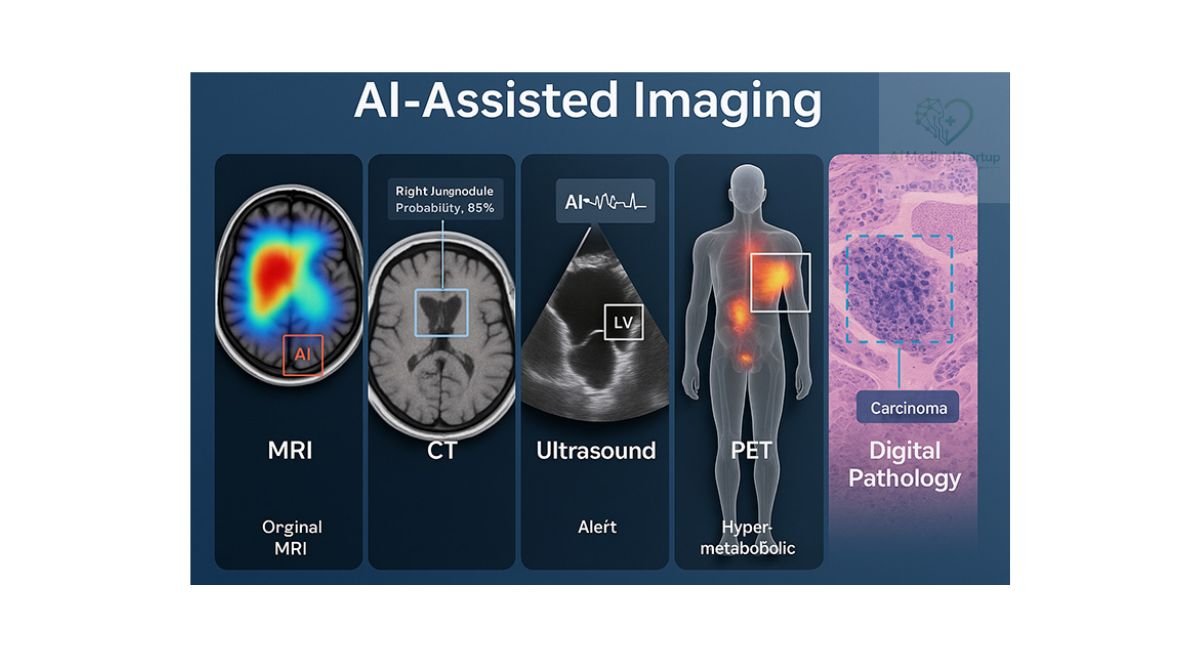
Radiology is changing quickly as technology moves from research labs into everyday clinical practice. In 2026, AI in radiology is helping healthcare teams analyze images, prioritize urgent cases, automate measurements, and support faster clinical decisions. From X-rays and CT scans to MRI and mammography, medical imaging AI is becoming an important part of modern diagnostic workflows. But with so many platforms available, finding the best AI tools in radiology can feel overwhelming.

Each solution has different strengths, regulatory requirements, clinical evidence, and workflow capabilities. This guide explores leading radiology AI solutions, their applications, benefits, limitations, and real-world uses, helping you understand which technologies may best fit modern radiology practices and healthcare organizations.

What Are AI Tools in Radiology?

AI in radiology refers to software that uses machine learning, deep learning, computer vision, or related technologies to analyze medical imaging. These systems can identify patterns that may be difficult or time-consuming to evaluate manually. Depending on their design, they may support detection, classification, image segmentation, measurement, triage, reconstruction, or reporting.

Modern radiology AI is best understood as a collection of specialized technologies rather than one universal system. Some applications analyze a chest X-ray for suspicious findings. Others analyze a CT scan for intracranial hemorrhage or stroke. Some support MRI reconstruction, while others help create automated radiology reports. The common goal is to give clinicians useful information at the right point in the workflow.

How artificial intelligence is used in medical imaging

The basic process is surprisingly straightforward. An imaging study enters the hospital’s digital workflow, usually through systems connected to PACS, RIS, or other clinical infrastructure. An AI application processes the relevant images and searches for predefined patterns. Depending on the product, it may then highlight a finding, calculate a measurement, prioritize the case, or provide another form of clinical decision support.

This is where AI for medical image analysis becomes valuable. A system may recognize a suspected fracture, identify a possible pneumothorax, measure a Cobb angle, or flag a CT study for urgent review. The output does not automatically become the final diagnosis. Instead, the radiologist evaluates the AI result alongside the images, patient history, prior studies, and other clinical information.

how-artificial-intelligence-is-used-in-medical-imaging

AI vs traditional radiology software

Traditional radiology software mainly helps clinicians store, retrieve, display, transmit, and document images. A PACS, for example, provides the environment in which images can be viewed. DICOM allows medical images and related information to move between compatible systems. These technologies remain fundamental to modern diagnostic imaging.

AI adds another layer. Instead of simply displaying an image, AI software for radiologists can analyze it and produce a clinically relevant output. That output might be a detection marker, probability score, measurement, segmentation, or worklist alert. In this sense, AI-powered radiology complements traditional infrastructure rather than replacing it.

Machine learning and deep learning in radiology

Machine learning in radiology allows computers to identify relationships within data and use those relationships to generate predictions or classifications. Deep learning takes this further through multilayered neural networks that can learn complex visual patterns. Many modern medical-image applications use deep-learning architectures because they can process large volumes of imaging data.

Training quality matters enormously. An AI model can perform impressively in the dataset used for development but behave differently in another hospital. Scanner manufacturers, acquisition protocols, patient demographics, disease prevalence, image quality, and clinical workflows can all affect performance. Therefore, strong clinical validation is essential before assuming that a model will perform equally well everywhere.

Generative AI and large language models in radiology

Generative AI introduces a different category of capability. Instead of only identifying visual patterns, systems using natural language processing and large language models can work with clinical text. They may help summarize patient information, draft impressions, organize findings, or support structured radiology reporting.

However, language models introduce their own risks. A fluent sentence can still be clinically wrong. Recent FDA discussions have highlighted the importance of validation and human review for generative AI used in healthcare. In one FDA-discussed evaluation, clinically significant errors in AI-generated radiology impressions fell from 4.8% before review to 1% after radiologist editing. The lesson is simple: polished language is not the same as clinical accuracy.

What AI can and cannot do for radiologists

AI can process images rapidly, identify predefined abnormalities, automate repetitive measurements, and help prioritize urgent cases. It can also provide a second layer of analysis that supports AI-assisted diagnosis. These capabilities can be particularly useful in high-volume environments where hundreds or thousands of studies may need attention.

AI cannot independently understand every clinical situation. It may struggle with unusual pathology, artifacts, incomplete information, unexpected anatomy, or cases outside its validated population. It also cannot replace the broader reasoning of a clinician who integrates imaging with symptoms, history, laboratory results, previous examinations, and treatment plans. Human oversight therefore remains central to responsible deployment.

Benefits of AI in Radiology

The benefits of AI in radiology extend beyond faster image interpretation. A well-designed system can influence what happens before, during, and after image review. It can help identify urgent examinations, automate measurements, support reporting, and reduce repetitive tasks. The greatest value often appears when AI is designed around a real clinical bottleneck rather than added simply because a hospital wants to “use AI.”

The practical advantage is workflow optimization. Imagine a busy emergency department where several critical CT studies arrive within minutes. A validated AI system may flag examinations containing potentially urgent findings and help move them toward the appropriate clinical queue. It does not remove the radiologist from the process. It helps the right human see the right case sooner.

Faster diagnosis in high-pressure settings

Time matters greatly in emergency radiology. Conditions such as stroke, intracranial hemorrhage, pulmonary embolism, and major trauma can require rapid action. AI tools for emergency radiology can analyze incoming studies and identify examinations that may need urgent attention.

The value is often measured in workflow time rather than a simple “AI versus human” accuracy contest. An AI triage system may work continuously in the background while clinicians manage other responsibilities. When an urgent case is detected, the system can generate an alert or change its priority. The final interpretation still belongs to the clinical team.

Improved diagnostic accuracy and consistency

AI may provide an additional opinion during image interpretation. This can be useful when the finding is subtle or when a department wants an additional quality-control layer. However, it would be misleading to say that AI automatically improves every diagnosis.

Performance depends on the algorithm, disease, modality, population, and implementation. A system trained to identify one abnormality may have little value for another. Diagnostic accuracy should therefore be evaluated for the specific clinical task. Hospitals should examine sensitivity, specificity, false-positive rates, external validation, and relevant clinical outcomes rather than relying on a single marketing number.

Enhanced decision support for radiologists

Clinical decision support can provide useful information without attempting to make the entire clinical decision. An AI system might highlight suspicious areas, provide a quantitative measurement, or suggest that a study deserves closer review.

This can be particularly useful for complex workflows. A radiologist can combine AI output with visual inspection and clinical context. In that model, AI becomes another source of evidence. The clinician remains responsible for deciding whether the finding is real, relevant, and clinically meaningful.

Earlier detection of abnormalities

Some AI systems are designed to detect subtle abnormalities at an early stage. This is especially relevant to screening and high-volume imaging. A computer can analyze thousands of images without becoming tired or losing concentration.

Still, early detection should not be confused with definitive diagnosis. For example, AI may identify a suspicious lung lesion or breast abnormality. Further imaging, comparison with prior studies, clinical assessment, or tissue diagnosis may still be necessary. The AI output is a signal for attention, not automatically the final answer.

Radiology workflow optimization

Radiology workflow automation can reduce friction throughout an imaging department. AI can analyze examinations immediately after acquisition, prioritize cases, perform measurements, and support reporting.

The strongest systems fit naturally into existing workflows. A radiologist should not need to open five separate applications just to see an AI result. Integration with PACS, RIS, and other hospital systems can determine whether an otherwise excellent technology becomes genuinely useful.

Reduced repetitive administrative tasks

Reporting creates a substantial amount of repetitive work. AI can assist with AI radiology reporting, report templates, impression drafting, follow-up recommendations, and clinical documentation.

The goal is not simply to generate more text. Good automated radiology reports should help the radiologist communicate findings accurately and efficiently. Generated content still requires review because language models and automated systems can produce false positives, false negatives, omissions, or incorrect statements.

Improved patient triage and prioritization

AI triage is particularly valuable when the order in which studies are reviewed matters. A system can analyze incoming images and identify studies that may contain time-sensitive abnormalities.

The FDA recognizes radiological computer-assisted prioritization as a distinct medical-device category. These systems can prioritize time-sensitive imaging for review based on image analysis. Importantly, some triage products provide prioritization rather than a complete diagnostic interpretation.

What Are the Best AI Tools in Radiology in 2026?

There is no single winner among the best AI tools in radiology. Different platforms solve different problems. Aidoc and Viz.ai, for example, are strongly associated with acute-care workflows. Gleamer has important musculoskeletal applications. Qure.ai and Lunit have significant imaging-analysis capabilities. Rad AI focuses heavily on reporting and productivity, while Subtle Medical is known for image enhancement.

The following table provides a practical starting point. Product capabilities and regulatory indications can change, so this should be treated as a high-level comparison rather than a substitute for current vendor documentation or regulatory databases.

AI platformMain strengthCommon imaging focusTypical workflow role
AidocAcute-care AI and triageCT, X-ray and other modalitiesDetection and prioritization
GleamerMusculoskeletal imagingX-rayFracture and orthopedic analysis
Qure.aiAutomated image analysisX-ray and CTDetection and screening
LunitChest and breast imagingX-ray and mammographyDetection and decision support
RapidAIStroke imagingCT, CTA, CTP, MRIStroke assessment and triage
Viz.aiAcute-care coordinationCT and vascular imagingDetection, notification and workflow
Annalise.aiBroad radiology analysisChest X-ray and CTMulti-finding detection
Rad AIReporting productivityRadiology workflowReporting and documentation
Subtle MedicalImage enhancementMRI and other imagingReconstruction and scan optimization
ArterysQuantitative imagingMRI, CT and cardiovascular imagingSegmentation and analysis

Aidoc

Aidoc is one of the prominent names in enterprise radiology AI, particularly for acute-care detection and workflow. Its technology is designed to analyze imaging studies and support the identification and prioritization of potentially urgent findings. Its main advantage is breadth. Instead of focusing on one narrow imaging problem, the platform has developed a wider ecosystem of algorithms. That makes it relevant to hospitals seeking centralized AI-powered diagnostic imaging and workflow support.

aidoc-a-prominent-name-in-enterprise-radiology-ai

Gleamer

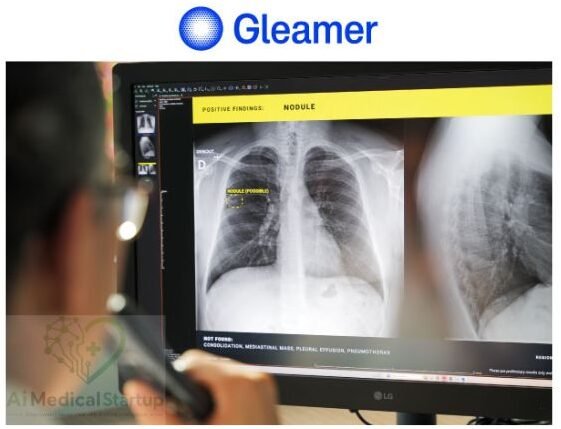
Gleamer focuses strongly on musculoskeletal and trauma imaging. Its technology is particularly relevant to AI for fracture detection, where X-ray examinations are common and rapid interpretation can be valuable. For orthopedic and emergency environments, this makes Gleamer an interesting option. The broader category of fracture detection software can help identify suspected abnormalities that deserve attention. However, clinicians should still evaluate the product’s specific indications, evidence, and regulatory status before implementation.

gleamer-trauma-imaging

Qure.ai

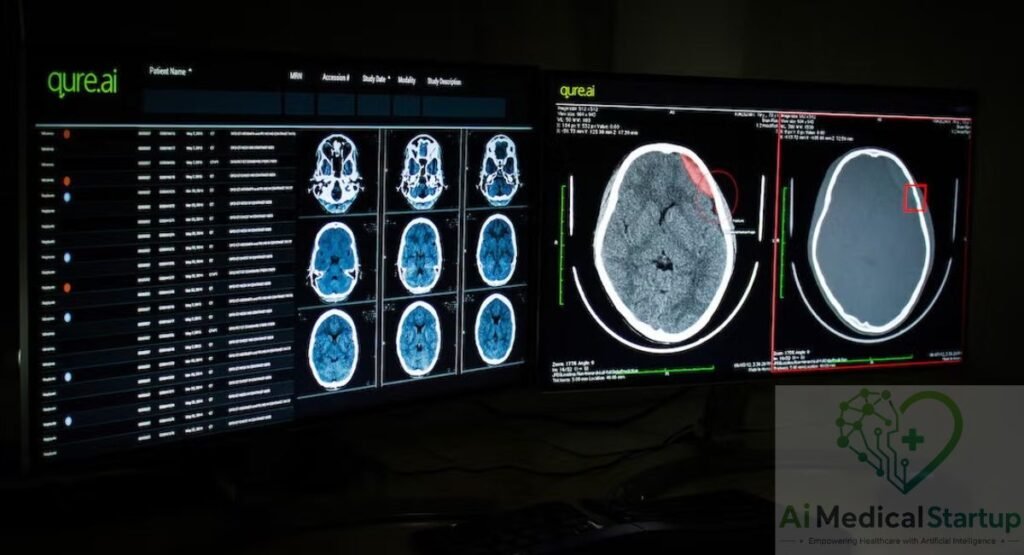
Qure.ai develops AI medical imaging solutions for several clinical applications, including chest X-ray and CT analysis. Its technology has been used for automated detection and screening workflows. One reason Qure.ai stands out is its focus on high-volume imaging environments. Automated analysis can support screening programs and help clinicians process large numbers of studies. Its regulatory record is also evolving. For example, the FDA’s 2026 AI-enabled device list includes Qure.ai’s qXR-Detect under a radiology authorization.

qureai-develops-ai-medical-imaging

Lunit

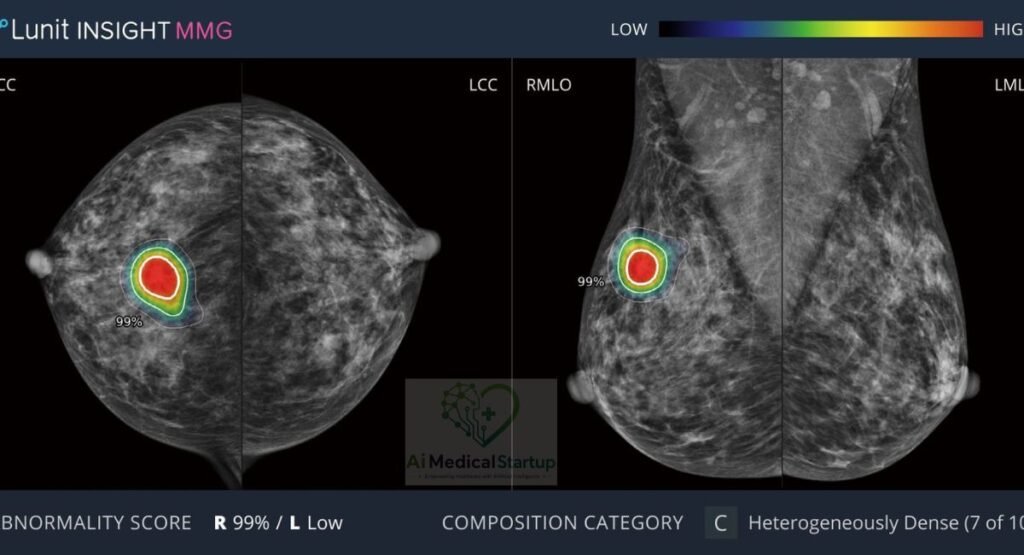
Lunit is particularly associated with chest and breast imaging. Its solutions support AI for chest X-ray analysis and breast-imaging workflows, including mammography-related applications. The platform is relevant to hospitals and screening programs that want AI-assisted detection. Lunit’s continued regulatory activity also illustrates how rapidly the medical-AI market is developing. The FDA’s current AI-enabled device list includes Lunit INSIGHT DBT, with a final decision recorded in March 2026.

lunit-associated-with-chest-and-breast-imaging

RapidAI

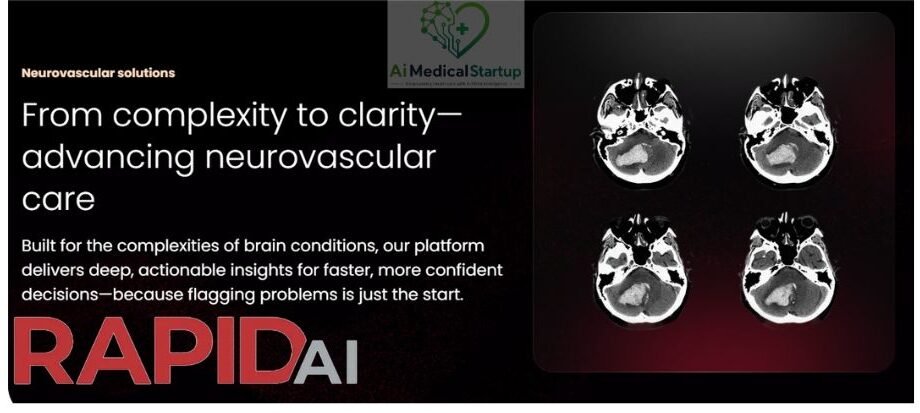
RapidAI specializes in stroke and neurovascular care. Its systems are designed around the reality that stroke treatment can depend heavily on time and accurate imaging assessment. The platform can support analysis of CT, CT angiography, CT perfusion, and related studies depending on the product. Its strongest differentiator is therefore not simply “AI image analysis.” It is the connection between imaging, patient triage, clinical communication, and time-sensitive stroke care.

rapidai-specializes-in-stroke-and-neurovascular-care

Viz.ai

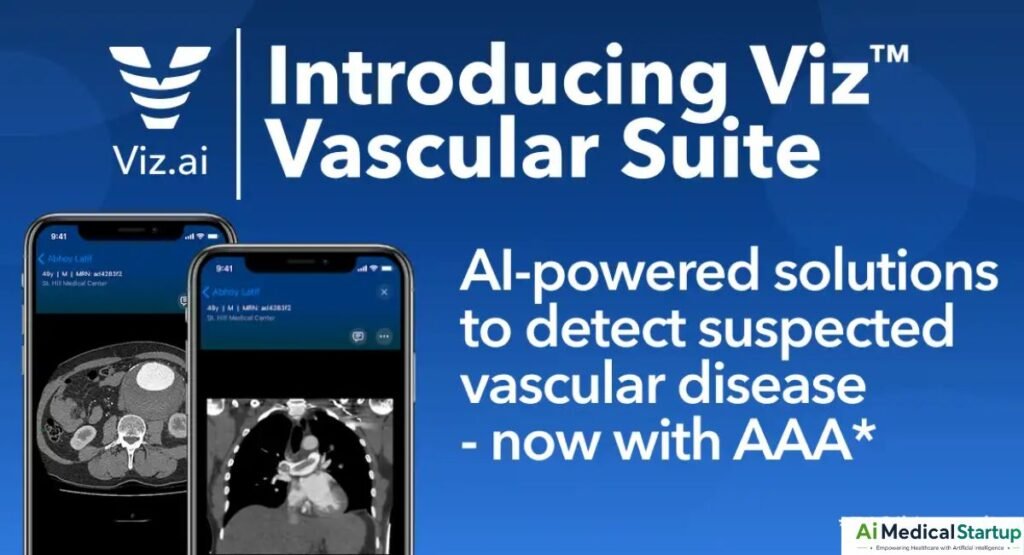
Viz.ai takes a broader acute-care approach. Its platform connects imaging analysis with notifications and clinical workflows, particularly in stroke and cardiovascular care. That distinction matters. A hospital does not necessarily need another image viewer. It may need a system that recognizes a potentially serious finding, alerts the appropriate team, and supports the movement of a patient through a time-critical pathway. Viz.ai is particularly relevant to this workflow-centered model.

vizai-broader-acute-care-in-stroke-and-cardiovascular-care

Annalise.ai

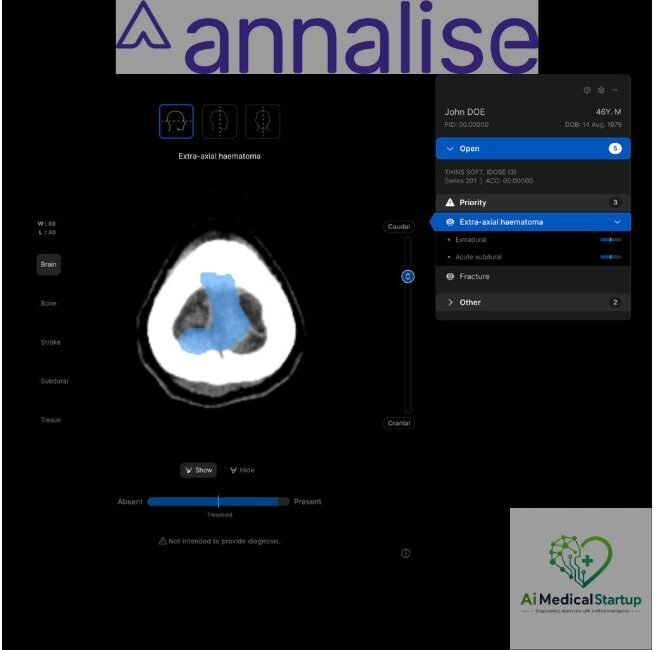
Annalise.ai develops broad AI systems for medical imaging, with notable applications in chest X-ray and head CT. Rather than focusing only on one finding, its technology can evaluate multiple potential abnormalities. This makes the platform relevant to general radiology environments. Multi-finding systems can be useful when clinicians want a broader second-reader function. However, more findings also create more opportunities for unnecessary alerts, so hospitals should carefully evaluate the balance between sensitivity and specificity.

ai-solution-for-non-contrast-head-ct-studies

Rad AI

Rad AI takes a different approach. Its core value is heavily connected to AI radiology reporting and radiologist productivity rather than only image detection.

Reporting tools can assist with impressions, follow-up recommendations, and repetitive documentation. This category is becoming increasingly important because radiology workloads involve far more than looking at pictures. The strongest systems reduce documentation friction while keeping the radiologist firmly in control of the final report.

Subtle Medical

Subtle Medical focuses on AI-powered image enhancement and reconstruction. This places it in a different category from fracture or stroke detection platforms.

For MRI and other modalities, image-enhancement AI can potentially improve efficiency, image quality, or acquisition workflows. The benefit may therefore appear earlier in the imaging pathway rather than at the moment of diagnosis. It is a useful reminder that medical imaging AI is much broader than disease detection.

Arterys

Arterys has focused on cloud-based medical imaging analysis and quantitative applications, including cardiovascular imaging. Its technology illustrates another important category of AI for medical image analysis: automated segmentation and measurement.

Quantitative imaging can be valuable when clinicians need reproducible measurements rather than only a simple “abnormal” or “normal” label. This can support research, treatment planning, and longitudinal patient monitoring.

Top Use Cases of AI in Radiology

The applications of AI in radiology cover almost every stage of modern imaging. Some systems analyze images for abnormalities. Others perform measurements. Some improve image quality. Others organize worklists or assist with reports.

The most useful application depends on the clinical problem. A stroke center may prioritize neurovascular triage. An orthopedic emergency department may care more about AI for fracture detection. A breast-screening service may need mammography AI. A busy outpatient imaging group may gain more value from reporting automation.

Detecting and classifying brain tumors

AI can support AI brain tumor detection, segmentation, classification, and quantitative assessment. MRI is particularly important because it provides detailed soft-tissue information.

Research applications can include brain tumor classification, tumor volume measurement, and characterization of lesions. Systems may also support research into glioma, meningioma, and other brain tumors. However, classification should not be interpreted as a substitute for pathology when tissue diagnosis is required.

Stroke and intracranial hemorrhage detection

Stroke is one of the strongest use cases for AI because treatment decisions can be highly time-sensitive. AI can analyze CT and vascular imaging for findings associated with stroke or hemorrhage.

A well-designed system can support AI triage by flagging potentially urgent examinations. The clinical value comes from shortening the path between image acquisition, recognition, communication, and treatment. The technology is therefore closely tied to workflow rather than image interpretation alone.

Fracture and trauma detection

Fracture detection is a natural application for computer vision. X-ray examinations are common, and some fractures can be subtle.

AI can assist with suspected fracture, dislocation, and other trauma findings. The output can act as an additional check for the clinician. It should not be treated as proof that a fracture is present or absent.

Chest disease and lung abnormality detection

Chest imaging offers a broad field for AI. Algorithms can assist with findings such as pneumothorax, pleural effusion, pulmonary edema, consolidation, and other abnormalities.

Chest X-ray AI is especially useful in high-volume settings. It can support screening, triage, and second-reader workflows. Still, the meaning of an abnormality depends on the patient’s symptoms and clinical context, so automated detection must be interpreted carefully.

Cancer screening and lesion detection

AI is increasingly used in cancer-related imaging. Mammography is one major area, while lung CT and other modalities offer additional opportunities.

An AI system may identify a suspicious lesion, estimate a probability, or highlight an area for review. That does not mean it has diagnosed cancer. Definitive diagnosis may require additional imaging, biopsy, pathology, or other clinical evaluation.

Radiation dose optimization

AI can contribute to radiation dose optimization by supporting image reconstruction, acquisition decisions, and image-quality management.

The goal is not simply to reduce dose at any cost. The image must remain diagnostically useful. A very low-dose scan that cannot answer the clinical question is not necessarily a successful optimization. AI can help find a better balance between radiation exposure and image quality.

Automated image segmentation and measurements

Image segmentation allows software to identify specific anatomical structures or regions within an image. Once a structure is segmented, the system can calculate volume, area, length, angle, or other measurements.

This is valuable for orthopedic AI, oncology, cardiovascular imaging, and treatment planning. Automated measurements can also improve diagnostic consistency by reducing variation caused by manual calculations.

Radiology reporting and documentation

Reporting is becoming one of the most visible uses of generative AI. Systems can help organize findings, draft impressions, create summaries, or suggest follow-up language.

The opportunity is significant, but so is the risk. A generated report may sound professional while containing a subtle error. Therefore, automated radiology reports should remain subject to careful review, editing, and clinical accountability.

Patient prioritization and triage

AI can analyze studies and identify those that may require faster review. This is especially useful in emergency and acute-care settings.

The important distinction is between diagnosis and prioritization. Some AI systems are specifically designed to move a potentially urgent study higher in a queue. FDA classifications recognize radiological computer-assisted triage and notification as a specific type of software device.

AI Applications in Radiology by Imaging Modality

AI behaves differently across imaging modalities. X-ray produces relatively standardized two-dimensional images. CT creates volumetric datasets. MRI provides rich soft-tissue information and can involve lengthy acquisition protocols. Ultrasound depends heavily on operator technique.

For that reason, the best AI tools for medical imaging should always be evaluated within their modality. A highly effective X-ray algorithm does not automatically make an excellent MRI solution. The data, clinical problem, workflow, and validation requirements are different.

Imaging modalityCommon AI applicationsMain opportunity
X-rayFracture and chest analysisHigh-volume detection
CTStroke, trauma, nodules, organ analysisRapid 3D assessment
MRIReconstruction, segmentation, tumor analysisQuality and efficiency
UltrasoundMeasurements and image guidanceOperator support
MammographyLesion detection and screeningBreast cancer support
PET/nuclear medicineSegmentation and quantificationOncology and precision imaging

AI for X-ray diagnostics

X-ray remains one of the most practical areas for AI for X-ray applications. The modality is widely available and produces large volumes of examinations.

AI can support fracture detection, chest abnormality detection, measurements, bone-age estimation, and quality assessment. The technology is especially attractive in emergency departments, outpatient imaging centers, and screening environments.

AI for CT scans

AI for CT scans covers a wide range of applications. These include stroke and hemorrhage detection, pulmonary embolism analysis, lung-nodule detection, trauma assessment, organ segmentation, and quantitative measurements.

CT also produces three-dimensional information. This gives AI more data to analyze but creates greater computational complexity. A successful CT system must therefore handle large datasets efficiently while maintaining reliable performance.

AI for MRI

For MRI, AI includes both diagnostic and image-acquisition applications. It can assist with segmentation, reconstruction, image enhancement, quantitative analysis, and lesion characterization.

One major opportunity is scan acceleration. If AI can help reconstruct useful images from fewer or faster acquisitions, patients may spend less time in the scanner. The clinical value depends on maintaining sufficient image quality for the intended diagnostic task.

AI for ultrasound

Ultrasound creates unique AI challenges because image quality can depend heavily on the operator. Probe position, angle, pressure, patient anatomy, and acquisition technique can all influence the image.

AI can support automated measurements, image-quality checks, cardiac assessment, and workflow guidance. In this environment, AI may become particularly useful as an assistant to standardize parts of the examination.

AI for mammography

Mammography is one of the most important areas for AI-supported cancer screening. Algorithms can analyze images for suspicious masses, calcification, asymmetries, and other findings.

The role of AI varies between products. Some systems provide detection support. Others may support risk assessment or workflow prioritization. Because screening involves large populations, validation across different demographic groups and imaging environments is particularly important.

AI in nuclear medicine and PET imaging

AI can assist with segmentation, image reconstruction, lesion analysis, and quantitative assessment in nuclear medicine and PET.

Oncology is an important area because PET imaging can provide information about metabolic activity. AI may help identify lesions and calculate quantitative characteristics. These technologies could eventually support more personalized assessment of treatment response.

AI for X-Ray Diagnostics: What Can It Detect?

X-ray is often the first modality people associate with radiology AI. That makes sense. X-ray examinations are fast, inexpensive compared with many advanced modalities, and widely used. They also generate enormous amounts of data.

However, “AI can read X-rays” is too broad a statement. Different systems are trained for different findings. One may focus on fractures. Another may analyze the chest. A third may perform orthopedic measurements. The safest approach is always to ask what the algorithm was specifically designed and validated to detect.

Fracture and trauma detection

AI can analyze musculoskeletal X-rays for suspected fractures and other trauma-related findings. Some systems can also flag possible dislocation or related abnormalities.

The value is strongest when the technology fits the clinical workflow. In a busy emergency department, an AI flag can encourage rapid review of a suspicious image. It does not eliminate the need for a complete clinical and radiological assessment.

Chest pathology detection

Chest AI can evaluate X-rays for several common abnormalities. Depending on the system, this may include pneumothorax, pleural effusion, consolidation, edema, or other findings.

A chest abnormality can have multiple possible causes. Therefore, AI detection is only one part of the diagnostic process. The radiologist must determine what the finding means in the patient’s clinical context.

Osteo-articular measurements

AI can automate measurements that traditionally require manual work. These may include Cobb angle, alignment measurements, limb-length calculations, and other orthopedic assessments.

Applications can include scoliosis, hallux valgus, leg length discrepancy, hip dysplasia, and femoroacetabular impingement assessment. Automated measurement can improve speed and reproducibility, especially when the same measurements are repeated over time.

Pediatric bone age assessment

Pediatric bone age assessment is another established application area. AI can evaluate hand and wrist radiographs to estimate skeletal maturity.

Traditional assessment can involve comparison with references such as the Greulich and Pyle atlas. AI can automate parts of this process by analyzing developmental features and ossification centers. The result remains an estimate rather than an absolute biological age.

Lung and cardiac abnormality detection

Chest AI may also assist with lung and cardiac findings. Examples include lung nodules, pulmonary edema, and cardiomegaly.

These systems can help prioritize or support image review. They should not be treated as universal disease detectors. Performance depends on the exact finding, patient population, image quality, and algorithm.

Automated image quality assessment

Poor-quality images can lead to diagnostic difficulty. AI can help identify positioning problems, motion, exposure issues, or other acquisition concerns.

This creates an opportunity before diagnosis even begins. If a system detects that an image is inadequate, the imaging team may be able to repeat the study when clinically appropriate. This can improve workflow and reduce avoidable delays.

How AI Improves the Radiology Workflow

A radiology department is more than an image-reading room. It is a connected system involving scanners, technologists, scheduling, PACS, RIS, reporting, clinicians, and patients. AI becomes valuable when it improves this entire chain.

Workflow optimization can happen at several points. AI can analyze an image immediately, prioritize urgent studies, calculate measurements, assist with reports, and communicate results. The best implementation feels almost invisible because it works inside the tools clinicians already use.

Automated image analysis

Automated image analysis allows software to process images immediately after acquisition. Depending on the algorithm, it can identify suspicious patterns, segment anatomy, or calculate quantitative features.

This can create a useful second layer of review. The system does not need to replace the radiologist. Instead, it can perform repetitive computational work while the clinician focuses on interpretation and decision-making.

Worklist prioritization and triage

A normal worklist may treat examinations largely according to operational rules. AI can add another dimension by identifying potentially urgent imaging findings.

This AI triage can be valuable when a serious abnormality is hidden within a large queue. The system can help move that examination toward faster review. This is especially relevant in emergency and stroke workflows.

Clinical decision support

AI can provide additional information during clinical interpretation. It may highlight a region of interest, produce a measurement, or show an algorithmic probability.

This is clinical decision support, not necessarily autonomous diagnosis. The clinician must decide how much weight to give the AI result. A good interface should make it easy to compare AI output with the underlying image.

Automated measurements

Measurements are a perfect example of a repetitive task that computers can handle efficiently. AI can identify anatomical landmarks and calculate distances, areas, volumes, and angles.

In orthopedic imaging, this may include the Cobb angle or limb-length measurements. In cardiovascular imaging, it may involve chamber volumes or functional parameters. Automation can save time while improving consistency.

Structured reporting assistance

Structured radiology reporting helps standardize how findings are communicated. AI can assist by suggesting terminology, organizing findings, or drafting sections of a report.

The strongest approach keeps the clinician in charge. AI should make reporting easier without turning the report into an unchecked machine-generated document. This is especially important when using generative AI and NLP.

Integration with PACS and RIS

Integration can make or break an AI deployment. If clinicians have to leave their normal workflow every time they want to view an AI result, adoption may be poor.

Good integration can use PACS, RIS, HIS, DICOM, and relevant interfaces to move information between systems. Hospitals should evaluate latency, reliability, authentication, auditability, and how AI findings appear within the existing reading workflow.

Reducing radiologist administrative workload

Administrative work can consume valuable time. AI can help with documentation, report drafting, follow-up reminders, and communication. This does not mean every administrative task should be automated. The goal is to remove repetitive work while preserving accuracy and clinical accountability. A small reduction in documentation burden across thousands of examinations can become a meaningful operational benefit.

How Accurate Are AI Tools in Radiology?

Accuracy is one of the most misunderstood parts of medical AI. A vendor may advertise an impressive percentage, but that number alone tells you very little. You need to know what disease was tested, which images were used, how many patients were included, what the reference standard was, and whether the system was tested outside its development dataset.

A clinically useful evaluation should examine sensitivity, specificity, positive and negative predictive values, AUC, false-positive rates, and workflow outcomes. It should also consider whether the algorithm improves performance when used by clinicians. An AI system with excellent standalone performance may provide little practical benefit if it creates excessive alerts or disrupts workflow.

AI sensitivity and specificity

Sensitivity measures how effectively a system identifies cases that truly contain the target condition. High sensitivity can be important when missing a serious abnormality has significant consequences.

Specificity measures how well the system avoids incorrectly labeling normal cases as positive. The balance matters because increasing sensitivity can sometimes increase false positives. Hospitals should therefore evaluate both measures rather than choosing a product based on one impressive statistic.

Comparing AI performance with radiologists

Comparisons between AI and clinicians require careful interpretation. A computer may perform differently from a human when given only images, while a radiologist can consider clinical history and previous examinations.

The more meaningful question is often whether AI-assisted diagnosis improves human performance. If radiologists work more accurately or efficiently with the tool than without it, that may be more clinically useful than proving that an algorithm can outperform a clinician under artificial test conditions.

Clinical validation and real-world evidence

Clinical validation should ideally extend beyond internal testing. External datasets, prospective studies, independent evaluations, and real-world deployments can reveal problems that development datasets miss.

Peer-reviewed research is particularly useful, but publication alone does not guarantee clinical usefulness. You should examine study design, patient population, sample size, comparator, reference standard, and whether the reported results match the intended use of the product.

False positives and false negatives

Every AI system can make errors. A false positive occurs when the system flags something that is not actually present. A false negative occurs when it fails to identify a condition that is present.

The clinical consequences differ by use case. A false positive in a low-risk screening workflow may create additional work. A false negative in an emergency setting may delay treatment. Product evaluation should therefore consider the clinical consequences of each type of error.

Why AI performance varies between hospitals

AI performance can change when the environment changes. Different hospitals may use different scanners, acquisition protocols, patient populations, contrast protocols, or image-processing pipelines.

This is sometimes described as dataset shift or distribution shift. An algorithm that performs well in one environment may need additional validation elsewhere. That is why local testing and continuous monitoring can be important even after regulatory authorization.

Understanding AUC, sensitivity, specificity and other metrics

AUC describes how well a model separates positive and negative cases across different classification thresholds. Sensitivity and specificity describe performance at a selected threshold. Positive predictive value depends heavily on disease prevalence, while negative predictive value also changes with prevalence.

For procurement teams, the best metric depends on the task. A triage system may prioritize sensitivity for serious conditions. A measurement system may require very low measurement error. A reporting system may need different quality measures altogether. There is no single number that defines AI quality.

FDA-Cleared and Regulated AI Tools for Radiology

Regulation is essential because medical AI can influence diagnosis, treatment, and patient care. In the United States, the FDA maintains an AI-enabled medical-device list designed to identify AI-enabled devices authorized for marketing. The agency says listed devices have met applicable premarket requirements, including review of safety and effectiveness appropriate to their intended use.

The regulatory landscape is also changing. The FDA has continued developing guidance around AI-enabled devices, including lifecycle management and predetermined change-control approaches. In August 2026, the agency also opened a discussion on regulatory considerations for generative-AI-enabled medical devices. For hospitals, this means regulatory status should be checked regularly rather than treated as a permanent label.

What does FDA clearance mean?

FDA clearance generally means the agency has determined that a device meets the applicable requirements for its pathway and intended use. For many radiology AI products, the relevant pathway is 510(k).

The important point is that clearance applies to a specific medical device and its intended use. It does not mean the software can safely perform every possible imaging task. The FDA’s current classification system includes radiological AI software categories covering automated image processing and analysis.

FDA-cleared vs FDA-approved AI software

“Cleared” and “approved” are not interchangeable terms. FDA clearance commonly refers to the 510(k) pathway, while approval is associated with a different regulatory pathway and evidence standard.

When evaluating FDA-cleared AI tools for radiology, check the exact device name, submission number, intended use, indication, and authorization pathway. Do not assume that a company-wide statement such as “FDA-cleared technology” applies to every algorithm sold by that company.

CE marking and European regulation

The European market has its own regulatory requirements. CE marking indicates conformity with applicable European requirements, but it should not be treated as a simple equivalent of an FDA label.

The EU AI Act also introduces a risk-based framework. Certain AI systems connected to medical devices can fall into high-risk categories and face requirements involving risk management, data quality, information, and human oversight. European hospitals should therefore evaluate both medical-device conformity and relevant AI governance obligations.

UK and other international regulatory considerations

In the UK, software and AI used for medical purposes may be regulated as medical devices. The MHRA states that many software and AI products used in health and social care fall within medical-device regulation.

The UK framework continues to evolve. In September 2026, the government tabled proposed amendments related to medical-device regulation and the future development of a medical-device licensing regime. Hospitals should therefore verify current requirements rather than relying on outdated assumptions about UKCA, CE, or transitional arrangements.

Why regulatory status matters when choosing an AI tool

Regulatory status helps establish whether a product is authorized for a particular medical purpose in a particular market. It does not answer every procurement question, but it is an important starting point.

A hospital should also examine evidence, cybersecurity, interoperability, intended use, user training, post-market monitoring, and clinical governance. Regulatory authorization and clinical suitability are related, but they are not identical concepts.

Challenges, Limitations and Ethical Issues of AI in Radiology

The challenges of AI in radiology are not purely technical. Some involve clinical judgment, patient rights, workflow design, and responsibility. A highly accurate algorithm can still create problems if it generates too many alerts, does not integrate with PACS, or is used outside its intended population.

Trust is another major issue. Clinicians need to understand what an AI system does, where it performs well, and where it can fail. Patients also need confidence that their images and health information are handled appropriately. Responsible AI-powered radiology therefore requires governance alongside technology.

False-positive and false-negative results

No AI system is perfect. False-positive results can increase workload and unnecessary follow-up. False-negative results can create a false sense of reassurance.

The correct threshold depends on the application. Emergency triage may tolerate more false positives if it helps minimize missed critical findings. Other applications may require greater specificity. The important point is to evaluate error rates in relation to actual clinical consequences.

Algorithmic bias and health disparities

Algorithmic bias can occur when training data do not adequately represent the population in which the system is deployed. Differences in age, sex, ethnicity, disease prevalence, scanner technology, or healthcare access can affect performance.

This matters because a system that works well for one population may not perform equally well for another. Developers and healthcare organizations should therefore examine subgroup performance and seek evidence across diverse populations.

Patient privacy and medical data security

Medical images contain sensitive information. Hospitals must consider data privacy, access controls, encryption, authentication, storage, transmission, and vendor practices.

In the United States, HIPAA may apply to protected health information. In the EU and UK, GDPR and related data-protection requirements can be important. Healthcare data security should be evaluated before deployment, particularly when AI systems use cloud infrastructure.

AI explainability and clinical trust

Some deep-learning systems can behave like black boxes. They may produce an output without providing an explanation that makes intuitive sense to a clinician.

Explainable AI can help by providing heatmaps, highlighted regions, confidence information, or other interpretable signals. These features are useful, but visualization alone does not prove that the algorithm is correct. Explainability should support, not replace, rigorous validation.

Liability when AI makes an error

Who is responsible when AI contributes to a wrong clinical decision? The answer can involve clinicians, healthcare organizations, software vendors, and applicable legal frameworks.

This is why clinical accountability must remain clear. Hospitals should define who reviews AI results, how errors are reported, how software updates are managed, and what happens when the system is unavailable. A vague responsibility model can create safety problems.

Overreliance on automated recommendations

Humans can develop automation bias. If software repeatedly provides useful recommendations, users may gradually trust it too much.

Radiologists should therefore remain alert to contradictory findings. An AI output should be considered evidence, not unquestionable truth. Strong clinical workflows make it easy for users to inspect the original images and challenge the algorithm.

Interoperability and workflow problems

Even excellent AI can fail operationally. Slow processing, poor interfaces, incompatible systems, duplicate alerts, and difficult authentication can frustrate users.

Integration with PACS, RIS, HIS, and other infrastructure should be tested before large-scale deployment. A hospital should evaluate the complete workflow rather than judging the algorithm in isolation.

Cost and implementation challenges

The cost of AI includes more than the software license. Hospitals may need integration work, cloud or server infrastructure, cybersecurity reviews, training, support, monitoring, and maintenance.

The right question is therefore not simply “How much does this AI tool cost?” It is “What value does it produce relative to its total cost?” A product that saves significant reporting time or reduces critical delays may justify a higher price than a cheaper tool with little practical impact.

How to Choose the Best AI Tool for Radiology

Choosing the best AI software for radiologists begins with the clinical problem. Do not start by asking which vendor has the most algorithms. Start by identifying what your department wants to improve.

A procurement team should then evaluate clinical evidence, regulatory status, workflow integration, security, usability, and total cost. A tool that performs well in a research paper but creates operational problems may deliver little real-world value. The best product is usually the one that solves a clearly defined problem and fits naturally into the existing system.

Evaluation areaWhat to investigate
Clinical use caseWhat exact problem does the AI solve?
Regulatory statusIs the product authorized for the intended use and market?
EvidenceAre there independent and peer-reviewed studies?
AccuracyWhat are sensitivity, specificity, AUC and error rates?
IntegrationDoes it work with PACS, RIS and DICOM workflows?
SecurityHow are images and patient data protected?
CostWhat is the total cost of ownership?
SupportWhat training, monitoring and technical support are provided?

Define your clinical use case

Start with a specific problem. You might want to reduce fracture misses, prioritize stroke studies, accelerate MRI, improve mammography screening, or reduce reporting time.

A clear use case makes evaluation much easier. It also prevents hospitals from buying broad AI platforms without a measurable clinical objective.

Check regulatory clearance

Confirm the regulatory status of the exact product. Do not rely only on a vendor’s general statement.

In the United States, review the FDA database and intended use. In Europe, examine the applicable medical-device conformity requirements and EU obligations. Review the current MHRA framework for the United Kingdom. Regulatory status can change as products and regulations evolve.

Evaluate clinical evidence

Strong clinical evidence should be central to procurement. Look for external validation, prospective evaluations, peer-reviewed research, and real-world studies.

Also examine who funded the study. Vendor-sponsored research can be useful, but independent evidence provides another perspective. A large marketing claim should never substitute for careful clinical evaluation.

Assess accuracy and performance

Look beyond overall accuracy. Evaluate sensitivity, specificity, AUC, positive predictive value, negative predictive value, and false-positive rates.

For workflow tools, also measure time saved, alert response, report turnaround, and user acceptance. Clinical AI should be judged according to the outcome it is designed to improve.

Check PACS and RIS compatibility

A good algorithm should fit the existing infrastructure. Ask whether the system supports PACS, RIS, DICOM, and other interfaces used by the hospital.

Also test the user experience. AI findings should be visible at the right moment without requiring unnecessary clicks. Integration is not a technical afterthought. It directly affects adoption.

Evaluate cybersecurity and data privacy

Ask where data are stored, how they are transmitted, who can access them, how long they are retained, and what happens if the service becomes unavailable.

Organizations should also consider applicable HIPAA, GDPR, and local cybersecurity requirements. A clinically useful AI system still needs strong patient safety and information-security controls.

Consider scalability and cost

A pilot may involve a few hundred examinations. An enterprise deployment may involve millions. The system must remain reliable as usage grows.

Cost models can vary. Vendors may charge per study, per algorithm, by subscription, or through enterprise agreements. Procurement teams should calculate integration, support, infrastructure, and maintenance costs as part of the total investment.

Review training and technical support

Users need to understand what the AI does and what it does not do. Training should explain the interface, common errors, limitations, and escalation procedures.

Technical support is equally important. Hospitals should ask how quickly problems are handled, how software updates are validated, and how performance is monitored after deployment.

The Future of AI in Radiology

The future of AI in radiology will probably involve many different forms of intelligence working together. Image-analysis systems will continue to improve, while generative AI will increasingly interact with reports, clinical records, and workflows.

The biggest shift may be from isolated algorithms to integrated clinical systems. Instead of one tool detecting one finding, future platforms may connect imaging, clinical history, laboratory data, prior examinations, and reporting. This could make AI more useful, but it will also increase the importance of validation, transparency, privacy, and human control.

Multimodal AI and medical imaging

Multimodal AI combines different types of information. Instead of analyzing only an image, a system could consider the image alongside clinical history, laboratory results, previous scans, pathology, or other data.

This approach could provide richer clinical decision-making support. However, more information also creates more opportunities for errors and hidden correlations. Multimodal systems will require strong evidence before they become routine clinical tools.

Generative AI for radiology reports

Generative AI is likely to become increasingly important in reporting. Systems can help draft impressions, summarize findings, organize information, and create patient-friendly explanations.

The major challenge is reliability. AI-generated language can sound authoritative even when it is wrong. Human review therefore remains essential. The FDA has specifically been exploring regulatory considerations for generative-AI-enabled medical devices in 2026.

AI-powered personalized imaging

Future systems may help tailor imaging protocols to individual patients. AI could potentially consider body habitus, previous examinations, clinical questions, and other factors when optimizing acquisition.

This could contribute to more personalized imaging. The goal would be to obtain the information needed for a particular patient while avoiding unnecessary acquisition time, contrast, or radiation exposure where applicable.

Predictive analytics in radiology

Radiology AI may gradually move beyond identifying what is already visible. Predictive systems could estimate future disease risk, treatment response, or patient outcomes.

This is a different task from image interpretation. Predictive analytics must be carefully validated because a statistical association does not necessarily mean that a prediction is clinically useful or causally meaningful.

Autonomous and semi-autonomous image interpretation

Some areas of imaging may eventually support greater automation. The likelihood depends on the clinical task, risk level, evidence, regulation, and consequences of error.

Low-risk repetitive measurements may be easier to automate than complex diagnostic interpretation. The future is therefore more likely to contain a mixture of autonomous and supervised systems rather than one sudden transition to fully automated radiology.

Human-AI collaboration in radiology

The strongest long-term model may be collaboration. AI can handle repetitive computational work while clinicians provide judgment, context, communication, and accountability.

That means the question may shift from “Can AI replace the radiologist?” to “How can a radiologist use AI safely and effectively?” The answer will depend on better interfaces, stronger evidence, responsible regulation, and continuous monitoring.

AI in Radiology FAQs

The rapid growth of AI in radiology has created many practical questions. Clinicians want to know which platforms are useful, patients want to know whether AI is safe, and healthcare organizations want to know whether the technology is worth the investment.

The most accurate answers depend on the clinical application. There is no universal “best” AI product, and there is no single accuracy number that applies to every algorithm. The questions below provide a practical overview.

What is the best AI tool for radiology?

There is no single best tool for every radiologist. The right choice depends on the clinical problem, imaging modality, workflow, regulatory status, evidence, and budget.

For example, a stroke center may prioritize RapidAI or Viz.ai, while a department focused on musculoskeletal X-ray may consider Gleamer. A reporting-focused organization may look more closely at Rad AI. The best solution is the one that solves your specific problem effectively and safely.

What is the most commonly used AI in radiology?

There is no single AI system that dominates every radiology workflow. Adoption is divided across detection, triage, reporting, image enhancement, measurement, and screening.

Enterprise platforms such as Aidoc and other specialized solutions are used for different clinical purposes. Market share also varies by country, hospital system, specialty, and regulatory environment.

Can AI replace radiologists?

Current clinical AI is better understood as augmentation than replacement. Many systems perform narrowly defined tasks such as detection, prioritization, segmentation, measurement, or reporting assistance.

Radiologists still provide broader clinical reasoning. They interpret findings in context, communicate with clinicians, compare prior examinations, recommend additional imaging, and take responsibility for the final interpretation. Human oversight remains an important part of safe AI deployment.

How accurate is AI in radiology?

Accuracy varies significantly. It depends on the algorithm, target condition, imaging modality, patient population, dataset, and clinical environment.

You should examine sensitivity, specificity, AUC, predictive values, false-positive rates, and external clinical validation. A vendor’s headline accuracy number should never be considered sufficient evidence by itself.

What AI tools are FDA-cleared for radiology?

The FDA maintains an AI-enabled medical-device list containing devices authorized for marketing in the United States. The list is updated periodically and includes numerous radiology products.

The exact authorization matters. For example, the FDA database contains radiology AI products under automated image-processing and triage classifications. A healthcare organization should verify the specific device, intended use, and current authorization rather than relying on a general company claim.

How much do radiology AI tools cost?

Pricing varies widely. Enterprise platforms often use customized contracts rather than simple public pricing.

The final cost can include licensing, per-study fees, integration, cloud infrastructure, training, support, monitoring, and maintenance. For that reason, procurement teams should calculate total cost of ownership instead of comparing license prices alone.

Can AI detect cancer on an X-ray?

Some AI systems can identify findings that may be associated with cancer or other suspicious abnormalities on imaging. For example, algorithms may flag a suspicious lung finding on a chest X-ray.

However, detecting a suspicious abnormality is not the same as diagnosing cancer. Definitive diagnosis may require additional imaging, clinical assessment, or pathology. AI should therefore be considered a support tool rather than a standalone cancer diagnosis system.

How is AI used in CT and MRI?

AI for CT scans can support stroke detection, hemorrhage detection, pulmonary analysis, trauma assessment, lung-nodule detection, segmentation, and quantitative analysis.

AI for MRI can support reconstruction, scan acceleration, segmentation, image enhancement, tumor analysis, and quantitative imaging. The specific capabilities depend on the individual medical device and its intended use.

Is AI safe to use in radiology?

AI can be used safely when it has appropriate evidence, regulatory authorization where required, suitable clinical governance, cybersecurity controls, and proper human oversight.

Safety also depends on how the technology is implemented. Poor workflow integration, excessive alerts, unclear responsibility, or overreliance on automated results can introduce risks. MHRA guidance similarly emphasizes safety, evidence, lifecycle management, transparency, and post-market considerations for software and AI as medical devices.

What are the disadvantages of AI in radiology?

The disadvantages include false positives, false negatives, algorithmic bias, privacy risks, cybersecurity concerns, implementation costs, interoperability problems, and automation bias.

AI also requires continuous evaluation. Models can behave differently as patient populations, scanners, protocols, and workflows change. Responsible deployment therefore requires monitoring rather than treating installation as the end of the process.

Final Takeaway: Which Are the Best AI Tools in Radiology in 2026?

The best AI tools in radiology are not necessarily the platforms with the longest feature lists. They are the systems that solve a real clinical problem, fit naturally into the existing workflow, demonstrate strong clinical evidence, and have appropriate regulatory status for the market in which they will be used.

Aidoc, Gleamer, Qure.ai, Lunit, RapidAI, Viz.ai, Annalise.ai, Rad AI, Subtle Medical, and Arterys each represent different approaches to AI-powered diagnostic imaging. Some focus on detection. Others specialize in triage, reporting, image enhancement, or quantitative analysis. Comparing them by category is therefore more useful than declaring one universal winner.

For healthcare organizations in the USA, UK, and EU, the smartest approach is to evaluate AI as a clinical technology rather than a simple software purchase. Verify the intended use. Review the evidence. Check regulatory requirements. Test the workflow. Protect patient data. Monitor performance. Most importantly, keep qualified clinicians involved in the decision-making process. The real promise of artificial intelligence in radiology is not that machines will simply replace human expertise. It is that carefully designed systems can help radiologists work faster, analyze complex information, reduce repetitive tasks, and focus more attention on the patients who need it most.

AI-Based Diabetes Management

Primary Healthcare & AI AI-Based Diabetes Management: How Artificial Intelligence Is…

Risks of AI in Healthcare

Risks of AI in Healthcare: Bias, Errors, Privacy, Safety & How to Mitigate Them Sept 16, 2026 •…

AI in Fitness

Hero Section – AI Fitness Calculator The Future of Digital Health AI in the Fitness Industry:…

AI in Pulmonology

Special Report 2026 The Rise of AI in Respiratory Care A Comprehensive Guide to Next-Gen Pulmonology…

AI in Mental Health

AI in Mental Health: Revolutionizing Diagnosis and Treatment Mental healthcare is changing rapidly…

AI Medical Scribes

AI Medical Scribes: How AI Is Transforming Clinical Documentation Clinical documentation can take…

AI-Based Prediction of Preeclampsia

AI-Based Prediction of Preeclampsia Using First-Trimester Biomarkers Preeclampsia can turn a…

Future of FemTech

AI Is Revolutionizing Women’s Health: The Future of FemTech Artificial intelligence is changing how…

Best AI Tools in Radiology

Best AI Tools in Radiology: Top Solutions for Medical Imaging in 2026 Radiology is changing quickly…

AI in Healthcare

AI in Healthcare: Uses, Benefits, Risks & the Future of Medicine Healthcare is entering a new…

top-10-ai-platforms-in-healthcare

AI Tools in Medical

Top 10 AI Platforms in Healthcare 2026

Healthcare is entering a new era where AI platforms in healthcare can turn complex information into practical insights. From medical imaging and clinical documentation to precision medicine and healthcare analytics, these technologies are changing how clinicians and health systems work.

In 2026, leading healthcare AI platforms are moving beyond experimentation and becoming part of everyday clinical and research workflows. Their growing role reflects a broader shift toward faster, more personalized, and data-driven care. This guide explores the Top 10 AI Platforms in Healthcare 2026, highlighting the technologies, capabilities, and real-world applications shaping modern healthcare across the USA, UK, and EU.

What Are AI Platforms in Healthcare?

At their core, AI platforms in healthcare bring artificial intelligence, data infrastructure, analytics, and clinical applications into one environment. Instead of offering one isolated function, a platform may support clinical data, medical images, research datasets, machine learning models, and healthcare applications. This makes it easier for organizations to build, deploy, and manage multiple AI capabilities.

The difference becomes clearer with an example. A single diagnostic application might analyze an X-ray, while a broader platform can connect imaging with records, workflows, alerts, and analytics. In other words, healthcare AI platforms act more like an operating layer for AI in healthcare, helping providers turn raw information into useful clinical or operational insights.

How AI Platforms Are Transforming Healthcare

The biggest change is happening inside everyday clinical work. Artificial intelligence in healthcare can assist with medical imaging, documentation, disease detection, research, and decision support. FDA research recognizes applications ranging from image processing and early disease detection to diagnosis, prognosis, risk assessment, and personalized diagnostics.

Meanwhile, clinical AI is moving beyond isolated demonstrations. Systems can support radiology triage, pathology analysis, genomic interpretation, population health, and documentation. For example, NHS England has issued specific guidance for AI-enabled ambient scribing, showing how generative AI in healthcare is entering practical documentation workflows rather than remaining a laboratory curiosity.

What to Look for in a Healthcare AI Platform

Choosing an AI healthcare solution requires more than comparing impressive demonstrations. You should examine clinical validation, data quality, security, interoperability, scalability, usability, governance, and integration with existing systems. A technically sophisticated platform can still fail if clinicians cannot use it naturally or if it creates another disconnected workflow.

For organizations across the USA, UK, and EU, regulation also deserves serious attention. HIPAA, GDPR, medical-device requirements, and emerging AI rules can influence deployment. FDA guidance increasingly emphasizes lifecycle management, transparency, bias, monitoring, and safety for AI-enabled devices.

Top 10 AI Platforms in Healthcare

The following ranking looks at platforms with meaningful healthcare applications and different roles across the ecosystem. Some focus on clinical workflows, while others provide data infrastructure, imaging intelligence, precision medicine, or research capabilities. Therefore, “best” depends heavily on what problem your organization needs to solve.

A hospital looking for workflow automation may choose differently from a pharmaceutical company studying real-world data. Likewise, a radiology department needs a different technology stack from a health system building a large healthcare data platform. The ranking therefore considers breadth, practical value, maturity, innovation, and healthcare relevance.

10. Butterfly Network

Portable imaging becomes especially powerful when AI can travel with the clinician. Butterfly Network combines handheld ultrasound hardware with software and AI features that support image capture, anatomy identification, and clinical workflows. Its approach makes ultrasound AI useful in settings where conventional imaging equipment may be impractical or unavailable.

Its value extends into point-of-care healthcare, where speed and portability can influence clinical decisions. Butterfly has also continued expanding AI capabilities, including a 2026 FDA clearance related to a gestational-age ultrasound tool. This combination of semiconductor imaging and software makes Butterfly particularly interesting for decentralized care.

Headquarters: Massachusetts, USA
Founder: Jonathan Rothberg Ph.D.
Year founded: 2011

jonathan-rothberg-butterfly-networks-founder

Jonathan Rothberg, Ph.D., is Butterfly Network’s Founder, and serves as an Independent Director on Butterfly’s Board of Directors, and as Chair of the Board’s Nominating & Corporate Governance Committee and a member of the Technology Committee. He served as Interim Chief Executive Officer from December 2022-April 2023 and Chairman of Butterfly’s Board of Directors from February 2021-April 2023. Before that, he served as legacy Butterfly’s Chairman from March 2014 to February 2021; Chief Executive Officer from March 2014 to April 2020; and as President from March 2014 to April 2014.

9. Caption AI

Caption AI focuses on making ultrasound easier to perform consistently, particularly for clinicians who may not have extensive imaging expertise. Its technology uses real-time guidance to help users acquire diagnostic-quality images, bringing AI diagnostics closer to the point of care and potentially widening access to ultrasound-based assessment.

Its importance lies in reducing the technical barrier around ultrasound acquisition. Rather than asking every clinician to become an expert sonographer, AI can provide guidance during the examination. Through Caption Health and the broader GE HealthCare ecosystem, this technology illustrates how specialized AI can fit into a larger medical-imaging strategy.

8. PathAI

Pathology generates information that can be difficult to interpret at scale, particularly as digital slides become increasingly detailed. PathAI applies AI to digital pathology, supporting image analysis, diagnostic workflows, and research. Its technology is especially relevant to oncology, where subtle cellular patterns can influence diagnosis, treatment, and research.

path-ai

The platform also reaches beyond diagnosis. PathAI supports life-sciences applications where pathology data can contribute to biomarker development and drug research. Its AISight Dx platform continues to evolve, with a 2026 update focused on workflow efficiency, usability, storage, and reliability. This shows why digital pathology is becoming an important branch of medical AI.

7. Merative

Healthcare organizations often struggle with the sheer volume of information surrounding patients and populations. Merative addresses that problem through healthcare data, analytics, and decision-support capabilities. Its heritage includes assets from IBM Watson Health, giving it a strong connection to enterprise healthcare analytics and large-scale information management.

Unlike a platform designed mainly for one frontline task, Merative can support broader organizational needs. Its relevance includes population health, clinical decision support, research, and healthcare intelligence. That makes it particularly useful for organizations trying to connect analytics with operational decisions rather than treating AI as a standalone clinical gadget.

6. Truveta

The value of AI depends heavily on the quality of the information behind it. Truveta focuses on real-world clinical data, giving researchers and organizations a way to study healthcare as it actually happens. Its data environment includes de-identified electronic health records and other information that can support research and real-world evidence.

That approach creates opportunities across medical research, population health, and therapy development. In August 2026, Truveta described work using large language models to extract outcomes from unstructured clinical notes, showing how AI can unlock information buried inside ordinary documentation. The platform’s strength is therefore data depth rather than bedside automation.

5. Tempus

Precision medicine becomes more useful when clinical information and molecular information can be examined together. Tempus has built its platform around this idea, combining AI with genomic, clinical, and other multimodal information. Its strongest area remains precision medicine, particularly cancer care, where treatment decisions can depend heavily on molecular characteristics.

Tempus has continued expanding its AI capabilities in 2026. Its PRISM2 multimodal pathology foundation model demonstrated applications involving cancer diagnosis, biomarkers, and patient-outcome prediction. Its platform also supports clinical trial matching and oncology workflows, making Tempus a strong example of data-driven medicine moving closer to everyday care.

4. Aidoc

Radiology illustrates one of AI’s clearest healthcare applications because medical images contain patterns that algorithms can analyze at tremendous speed. Aidoc provides an enterprise clinical AI platform that can orchestrate multiple algorithms and integrate their insights into clinical workflows. Its aiOS platform uses scan information, metadata, and image analysis to determine which studies should receive AI processing.

That orchestration matters because hospitals rarely need just one algorithm. They need technology that works across departments, connects with existing systems, and presents useful information at the right moment. Aidoc therefore represents a broader radiology AI model, where AI-powered diagnostics become part of the health system rather than another disconnected application.

3. Google Cloud Healthcare

Large healthcare organizations need more than individual AI models. They need infrastructure capable of storing, integrating, and processing complex information. Google Cloud Healthcare addresses this layer through services such as the Google Healthcare API, which supports healthcare data storage, access, integration, and machine-learning applications.

Its strength lies in scale and flexibility. The platform supports standards including FHIR and DICOM, helping connect existing healthcare systems with cloud applications. Google Cloud can therefore serve developers, researchers, health systems, and life-sciences organizations building AI applications on top of large datasets.

2. AWS HealthLake

Healthcare data is often fragmented across departments, applications, and older systems. AWS HealthLake tackles this problem by providing a managed environment for storing, analyzing, and sharing healthcare information using FHIR. AWS describes HealthLake as an AI-ready FHIR persistence layer that can support advanced analytics, machine learning, and generative AI.

Its 2026 development also shows how quickly healthcare data infrastructure is evolving. AWS introduced resource matching in preview to identify and link duplicate patient, provider, and organization records, helping create cleaner longitudinal records. For organizations building healthcare AI infrastructure, that data foundation can be as important as the AI model itself.

1. Microsoft Dragon Copilot

Clinical documentation remains one of healthcare’s most persistent administrative headaches. Microsoft Dragon Copilot targets that problem through conversational and ambient AI capabilities designed to support clinicians with documentation and workflow tasks. Its significance comes from bringing generative AI closer to the daily interaction between healthcare professionals and patients.

The wider shift is already visible in healthcare policy. NHS England has issued implementation guidance for ambient AI scribing products used for documentation and workflow support. Dragon Copilot therefore represents an important direction for AI-powered clinical workflows, where technology handles repetitive documentation while clinicians remain responsible for patient-facing decisions.

Comparison of the Top 10 Healthcare AI Platforms

A useful comparison shows that these platforms do not compete in exactly the same category. Butterfly Network, Caption AI, and Aidoc concentrate heavily on clinical imaging, while Truveta and Tempus emphasize data-driven research and precision medicine. Google Cloud and AWS provide broader infrastructure, whereas Microsoft Dragon Copilot targets the clinician’s daily workflow.

The comparison also reveals an important point: there is no universal winner. Healthcare providers need different capabilities from pharmaceutical companies or researchers. A hospital may prioritize workflow integration and imaging, while a biotechnology company may value molecular data and drug-development tools. The right choice depends on the organization’s clinical, technical, and regulatory priorities.

PlatformPrimary FocusMajor AI UseStrongest Fit
Butterfly NetworkUltrasoundImage guidancePoint-of-care care
Caption AIUltrasoundImage acquisitionClinical imaging
PathAIPathologyImage analysisOncology and research
MerativeHealthcare analyticsDecision supportEnterprise healthcare
TruvetaReal-world dataResearch analyticsPopulation health
TempusPrecision medicineGenomics and AIOncology
AidocMedical imagingTriage and analysisHealth systems
Google Cloud HealthcareData infrastructureAI and analyticsLarge-scale platforms
AWS HealthLakeHealthcare dataFHIR and AIData infrastructure
Microsoft Dragon CopilotDocumentationGenerative AIClinicians

Benefits of Using AI Platforms in Healthcare

The strongest benefit is not simply automation. Well-designed AI-powered healthcare systems can help professionals find information faster, reduce repetitive work, identify patterns, and coordinate care. When AI fits naturally into existing systems, it can improve clinical efficiency without forcing clinicians to learn an entirely separate digital environment.

The second benefit is scale. A single expert can only review so much information, but software can analyze enormous datasets consistently. This can support faster clinical insights, medical research, population health, and personalized treatment. The FDA notes that AI can contribute to diagnosis, prognosis, risk assessment, and personalized diagnostics, although performance and safety still require careful evaluation.

Challenges and Risks of Healthcare AI Platforms

Every powerful technology creates a new set of questions. AI algorithms can inherit bias from their training data, struggle with unusual cases, or perform differently when deployed in a new hospital. Poor data quality can also produce confident but misleading results. These problems become especially serious when an algorithm influences diagnosis, treatment, or patient prioritization.

Implementation creates another challenge. Hospitals must connect AI with existing healthcare technology, EHR systems, imaging systems, identity controls, and security processes. They also need staff training, governance, monitoring, and clear accountability. NHS England stresses robust clinical validation and warns that poorly designed algorithms can worsen inequality or discrimination.

Are Healthcare AI Platforms Safe and Reliable?

Safety cannot be determined by a marketing label. A platform becomes trustworthy through evidence, appropriate validation, transparent performance information, monitoring, and responsible human oversight. The FDA’s current AI work emphasizes lifecycle evaluation because performance can change after deployment, especially when data, clinical environments, or models evolve.

A useful principle is simple: AI should strengthen the human-AI team, not remove professional responsibility. For US organizations, FDA authorization may apply to particular AI-enabled medical devices rather than an entire company’s product portfolio. The FDA maintains a public AI-enabled medical-device list, which is useful when checking specific products.

The Future of AI Platforms in Healthcare

The next stage will be less about isolated chatbots and more about connected intelligence. Generative AI in healthcare, multimodal models, ambient documentation, agentic systems, predictive analytics, and AI-assisted research are likely to become increasingly intertwined. Instead of one model performing one task, platforms may coordinate several AI capabilities around a patient’s clinical journey.

Regulation will evolve alongside that technology. In August 2026, the FDA opened discussion around regulatory approaches for generative-AI-enabled medical devices, including risk assessment, premarket evaluation, postmarket monitoring, foundation models, and agentic AI. The future, therefore, will reward platforms that combine innovation with safety, transparency, interoperability, and measurable clinical value.

Frequently Asked Questions About Healthcare AI Platforms

What is the best AI platform in healthcare?

There is no single best platform for every organization. Microsoft Dragon Copilot is particularly relevant to clinical documentation, while AWS HealthLake and Google Cloud Healthcare focus strongly on infrastructure. Aidoc is more specialized in clinical imaging, and Tempus has a major position in precision medicine. The best option depends on your use case.

What are AI platforms used for in healthcare?

Healthcare platforms support clinical decision support, medical imaging, documentation, research, population health, data analytics, precision medicine, and workflow automation. Some systems analyze images, while others organize healthcare data or generate clinical documentation. Their common purpose is to help healthcare organizations turn complex information into useful actions.

What is the most advanced healthcare AI platform?

“Advanced” depends on what you measure. Some platforms lead in imaging, others in data infrastructure or generative AI. Healthcare AI platforms such as Aidoc, Google Cloud Healthcare, AWS HealthLake, Tempus, and Microsoft Dragon Copilot demonstrate different forms of technical maturity, making direct comparisons difficult without defining the intended use.

Which companies are leading healthcare AI?

The market includes technology companies, specialist medical-AI companies, cloud providers, and data companies. The organizations covered here include Butterfly Network, PathAI, Tempus, Aidoc, Google Cloud, AWS, and Microsoft. Their approaches differ considerably, ranging from imaging and pathology to cloud infrastructure and clinical documentation.

How does AI improve patient care?

AI can help clinicians identify patterns, prioritize urgent cases, organize information, and reduce repetitive administrative work. In medical imaging, for example, AI can support image analysis and triage. In documentation, ambient systems can reduce manual typing. The goal is better patient care, not simply more technology.

How is generative AI being used in healthcare?

Generative AI can summarize information, support documentation, interact with clinical data, assist research, and automate parts of administrative work. However, healthcare requires stronger safeguards than ordinary consumer applications. Outputs need appropriate review because fluent language does not automatically mean clinical accuracy.

Are healthcare AI platforms safe?

Some can be used safely when appropriately validated, monitored, integrated, and governed. Safety depends on the particular product and intended use. The FDA continues developing regulatory approaches for AI-enabled medical devices, while NHS England emphasizes clinical validation before implementation.

Are healthcare AI platforms FDA approved?

Not necessarily as complete platforms. FDA authorization usually applies to specific medical devices or software functions and their intended uses. The FDA maintains an AI-enabled medical-device list, but it states that the list is not comprehensive. Organizations should therefore verify the regulatory status of the specific product they plan to deploy.

How do healthcare AI platforms protect patient data?

Protection depends on architecture, access controls, encryption, governance, contractual arrangements, and applicable privacy laws. US organizations must consider requirements such as HIPAA, while European organizations must consider GDPR and other applicable rules. Technical compliance alone is not enough; organizations also need strong operational controls and responsible data practices.

What is the difference between healthcare AI and generative AI?

Healthcare AI is the broader category. It includes predictive models, imaging algorithms, clinical decision support, analytics, and machine learning. Generative AI is a particular type of AI that creates new content, such as text or other outputs. Therefore, generative AI is part of the wider healthcare AI landscape.

What should hospitals consider before adopting an AI platform?

Hospitals should examine clinical evidence, regulatory requirements, security, interoperability, workflow fit, cost, scalability, bias, monitoring, and staff training. They should also ask what happens when the AI is wrong. A platform that performs well in a demonstration may still create problems if it does not fit real clinical workflows.

What is the future of AI in healthcare?

The future will likely combine AI-powered workflows, multimodal models, clinical agents, predictive analytics, precision medicine, ambient documentation, and increasingly connected healthcare data. The winning systems will not necessarily be the flashiest. They will be the ones that deliver measurable value while remaining safe, understandable, interoperable, and useful to healthcare professionals.

Final Thoughts

The Top 10 AI Platforms in Healthcare 2026 show how quickly the industry is broadening beyond experimental algorithms. Today, AI can sit inside an ultrasound probe, examine pathology slides, analyze clinical datasets, support oncology decisions, manage FHIR data, prioritize medical images, or help clinicians document a consultation.

Yet the real opportunity is not to replace healthcare professionals with software. It is to remove friction from healthcare. When AI in healthcare is properly validated and thoughtfully integrated, it can give clinicians better information, reduce repetitive tasks, and create more time for patients. The next generation of healthcare AI will succeed when innovation and responsibility move together.

For readers in the USA, UK, and EU, that distinction matters. Regulatory expectations are becoming more sophisticated, and organizations increasingly need evidence rather than promises. FDA guidance and NHS recommendations both reinforce the importance of validation, transparency, monitoring, and human oversight. As healthcare enters a more AI-native era, the strongest platforms will be those that make advanced technology feel simple, dependable, and genuinely useful at the point of care.

AI-Based Diabetes Management

Primary Healthcare & AI AI-Based Diabetes Management: How Artificial Intelligence Is…

Risks of AI in Healthcare

Risks of AI in Healthcare: Bias, Errors, Privacy, Safety & How to Mitigate Them Sept 16, 2026 •…

AI in Fitness

Hero Section – AI Fitness Calculator The Future of Digital Health AI in the Fitness Industry:…

AI in Pulmonology

Special Report 2026 The Rise of AI in Respiratory Care A Comprehensive Guide to Next-Gen Pulmonology…

AI in Mental Health

AI in Mental Health: Revolutionizing Diagnosis and Treatment Mental healthcare is changing rapidly…

AI Medical Scribes

AI Medical Scribes: How AI Is Transforming Clinical Documentation Clinical documentation can take…

AI-Based Prediction of Preeclampsia

AI-Based Prediction of Preeclampsia Using First-Trimester Biomarkers Preeclampsia can turn a…

Future of FemTech

AI Is Revolutionizing Women’s Health: The Future of FemTech Artificial intelligence is changing how…

Best AI Tools in Radiology

Best AI Tools in Radiology: Top Solutions for Medical Imaging in 2026 Radiology is changing quickly…

AI in Healthcare

AI in Healthcare: Uses, Benefits, Risks & the Future of Medicine Healthcare is entering a new…
artificial-intelligence-for-doctors

Doctor’s AI

AI for Doctors: How AI Transforming Modern Medical Practice

Medicine is changing faster than ever, and AI for doctors is becoming part of that transformation. From clinical documentation and medical imaging to research and patient communication, artificial intelligence is helping physicians handle tasks that once consumed valuable time. Modern healthcare AI can analyze large amounts of information, identify patterns, summarize medical records, and support certain clinical decisions. At the same time, AI in medical practice raises important questions about accuracy, privacy, bias, and professional responsibility.

Doctors cannot simply accept an algorithm’s answer because it sounds convincing. They need to understand its limitations and maintain human oversight throughout the process. As clinical AI continues to develop, the real opportunity is not replacing physicians, but helping them work more efficiently while keeping patient safety, clinical judgment, and compassionate care at the center.

What Is AI for Doctors?

AI for doctors refers to the use of artificial intelligence technologies to support clinical, research, communication, and administrative work performed by physicians. These systems can analyze data, recognize patterns, summarize information, generate text, classify images, predict risks, or automate repetitive processes. The technology may involve machine learning, natural language processing, computer vision, generative AI, or combinations of several methods. WHO describes AI as algorithms integrated into systems that can perform automated tasks based on data, while generative AI can create new text, images, or other content.

The term is broad because medical artificial intelligence is not one single product. An AI medical imaging system is very different from a general-purpose language model. A clinical prediction model is different again. Some AI systems are regulated AI-enabled medical devices with a specific intended purpose. Others are general productivity tools that may have no authorization for diagnosis or treatment. The FDA maintains a public list of AI-enabled medical devices authorized for marketing in the United States, while the UK’s MHRA regulates software and AI that qualify as medical devices.

AI categoryTypical roleExample in practice
Generative AICreates or summarizes informationDrafting a clinical note
Natural language processingUnderstands medical languageExtracting information from records
Computer visionAnalyzes imagesSupporting medical imaging
Predictive AIEstimates future riskRisk prediction
Clinical AISupports defined clinical tasksDecision support
Workflow AIAutomates repetitive processesAdministrative workflows
AI-enabled medical devicesPerforms regulated medical functionsImaging or diagnostic support

How Are Doctors Using AI in Everyday Practice?

The reality of doctors using AI is more practical than the futuristic image often presented in popular media. Most current applications focus on information and workflow. Doctors may use AI to summarize research, prepare documentation, translate information, draft patient messages, organize charts, or support specific clinical tasks. The AMA’s 2026 survey found that the most common physician uses were centered on medical research summaries and clinical documentation.

This helps explain how doctors use AI without exaggerating what the technology can do. AI may save time on a task without taking responsibility for the medical decision that follows. A physician can use an AI-generated summary as a starting point, then check the original evidence. A clinician can review a draft note, correct it, and approve the final record. This distinction between assistance and responsibility is central to safe AI in medical practice.

AI for Clinical Documentation

One of the clearest applications is AI for clinical documentation. An AI medical scribe can listen to a clinical conversation through an approved system, convert speech into text, identify relevant information, and produce a draft medical note. Depending on the product, it may structure information for an electronic health record or help prepare discharge instructions and follow-up documentation. The goal is simple: reduce the amount of time doctors spend typing after a patient encounter.

ai-in-clinical-trails-use-cases

The potential benefit is significant because documentation can compete directly with patient attention. The AMA reported that some physicians using ambient AI scribes have saved substantial amounts of documentation time, while health systems are increasingly evaluating these tools as part of broader workflow redesign. However, an AI-generated note is still a draft. Doctors must check whether the system misunderstood a statement, omitted an important finding, or inserted something that was never said. Medical documentation requires accuracy, not merely fluent writing.

AI for Medical Research and Information

Doctors face an enormous information problem. New studies appear constantly, guidelines change, and clinical questions often arise when time is limited. AI for medical research can help search, organize, summarize, and compare large amounts of information. A physician might use an approved system to identify relevant papers or create a preliminary summary before examining the underlying studies.

The danger is that speed can disguise uncertainty. AI-generated information may sound authoritative even when it is incomplete or wrong. Generative systems can also produce fabricated citations or misunderstand the context of a study. For that reason, AI should be treated as an information assistant rather than the final source of medical truth. The original paper, guideline, systematic review, or authoritative database remains important when the answer could affect patient care.

AI for Patient Communication

AI healthcare applications are also appearing in patient communication. A physician may use an approved AI tool to draft a portal response, simplify technical language, prepare educational material, or translate information. These applications can help doctors communicate more efficiently, particularly when a practice handles large volumes of routine messages.

However, communication is more than grammar. A generated message must fit the patient’s clinical situation, literacy level, emotional state, and treatment plan. AI-generated medical content should therefore be reviewed before it reaches a patient. The AMA’s 2026 survey found that draft responses to patient portal messages and translation were already among reported physician AI use cases.

AI in Medical Imaging and Diagnostics

AI in medical imaging is one of the most established areas of clinical AI. Computer vision systems can examine images and identify patterns that may be relevant to a particular clinical task. Depending on the intended use, an AI tool may help detect abnormalities, measure structures, classify findings, prioritize examinations, or support image interpretation. These systems are being developed for areas including radiology, cardiology, ophthalmology, pathology, and other specialties.

The FDA’s current AI-enabled medical device list illustrates how active this field has become. Recent authorized devices include products associated with radiology, ultrasound, cardiovascular care, neurology, and other specialties. The FDA notes that listed devices have met applicable premarket requirements, including review of safety and effectiveness appropriate to the device’s intended use. This is important because AI-enabled medical technology should be evaluated according to its specific clinical purpose, not according to broad claims about AI.

How AI Helps Analyze Medical Images

AI can process large numbers of images and identify visual patterns using trained models. Radiology applications may involve detecting a suspected abnormality, highlighting a region of interest, measuring a structure, or helping prioritize cases. Computer vision in digital pathology can analyze tissue images. Ophthalmology can benefit from AI analyzing retinal photographs for specific findings. These applications can support specialists by adding another layer of computational analysis.

The strength of AI in medical imaging is its ability to perform narrowly defined pattern-recognition tasks at scale. Yet performance depends on the data used to develop and validate the model. A system that performs well in one hospital or population may behave differently elsewhere. Image quality, equipment, patient characteristics, disease prevalence, and workflow can all influence performance. AI should therefore complement specialist interpretation rather than create an illusion of automatic certainty.

AI-Assisted Diagnosis vs. Clinical Diagnosis

AI-assisted diagnosis and clinical diagnosis are not the same thing. An algorithm can identify a pattern or estimate a probability. A doctor must still interpret that information alongside symptoms, history, examination findings, laboratory results, previous imaging, medications, and patient circumstances. Diagnosis is a clinical process, not simply an image-classification exercise.

This distinction matters when discussing AI accuracy. Even a highly accurate model can produce false positives or false negatives. A doctor also needs to understand what the system was designed to detect and where its evidence applies. In other words, an AI output is evidence to evaluate, not a diagnosis that automatically becomes true.

AI for Clinical Decision Support

AI clinical decision support aims to help doctors interpret information and consider possible actions. A system may combine patient records, laboratory values, imaging results, medications, vital signs, or other data. It can then identify patterns, calculate risk, or present relevant information. Properly designed systems can help reduce information overload and make complex data easier to review.

Yet clinical decision-making cannot be reduced to a model output. A prediction may be useful without being decisive. A risk score may indicate that a patient deserves closer monitoring, but the physician still needs to determine what that means for the individual. WHO emphasizes that AI in health requires governance, ethical safeguards, accountability, and attention to human rights.

How AI Supports Clinical Decision-Making

AI can support decision-making by finding relationships within large datasets. It may help identify patients at higher risk, summarize relevant history, flag potential abnormalities, support differential diagnosis, or retrieve information related to a clinical question. These functions can be particularly useful when physicians must process many variables quickly.

AI and clinical decision making work best when the system’s role is clearly defined. The doctor needs to understand what information entered the model, what the model produces, and how reliable the result is for the current patient. Good clinical AI should fit the workflow instead of creating another screen that clinicians must constantly monitor.

Why Doctors Still Need to Make the Final Decision

Doctors remain essential because medicine involves uncertainty and context. Two patients can have similar test results but very different circumstances. One may have a contraindication. Another may have a preference that changes the treatment decision. A third may have symptoms that the model cannot represent accurately.

This is why clinical judgment and AI should be viewed as complementary rather than competitive. Human oversight in healthcare protects against automation bias, incomplete data, and inappropriate recommendations. AI can calculate quickly. A doctor must decide whether the result makes sense for the person sitting in front of them.

“AI should enhance—not replace—physicians.” — American Medical Association, 2026

AI for Medical Research and Drug Discovery

Medical research generates huge volumes of information. Researchers must examine scientific papers, clinical datasets, biological measurements, imaging, genomic information, and trial results. AI for medical research can help process some of this complexity. It can assist with pattern recognition, data analysis, literature discovery, prediction, and other computational tasks.

AI is also being explored across drug discovery and development. Models can help researchers screen compounds, predict molecular properties, identify potential targets, and analyze biological data. WHO recognizes applications of AI across healthcare, scientific research, and drug development, while also stressing the need for safe and responsible governance. The important point is that computational promise does not equal clinical proof.

Literature Reviews and Medical Evidence

A doctor or researcher can spend hours locating relevant studies. AI can reduce that initial workload by organizing documents, extracting concepts, summarizing findings, and identifying related research. This can make the first stage of a literature review faster and more manageable.

But researchers should not confuse a summary with evidence. AI-generated medical content may omit limitations, misread study design, or combine findings that should remain separate. A strong workflow therefore moves from AI-assisted discovery to human verification. Researchers should check the original publication, study population, methods, limitations, and actual results before using an AI-generated claim in clinical or academic work.

AI in Drug Discovery and Clinical Research

AI can support drug discovery by analyzing molecular structures, biological pathways, potential targets, and experimental data. In clinical research, it can also help with patient identification, trial data analysis, cohort selection, and other research processes. These applications can shorten some computational tasks and help researchers explore possibilities that would be difficult to examine manually.

The path from a promising computational prediction to an approved medicine remains long. Laboratory validation, clinical trials, safety assessment, manufacturing, regulatory review, and post-market monitoring still matter. AI can accelerate parts of the journey, but it does not remove the need for scientific evidence.

AI for Predictive and Personalized Medicine

Predictive medicine uses data to estimate the likelihood of future events or outcomes. AI can examine patterns across patient records, laboratory results, imaging, physiological measurements, and other information. Predictive analytics can then support risk stratification or monitoring. In the right setting, this may help clinicians identify patients who need additional attention.

AI personalized medicine takes the idea further by considering individual characteristics when supporting care. Precision medicine may combine clinical, genetic, molecular, imaging, or environmental information to understand differences between patients. The promise is attractive, but prediction is never certainty. Data quality, population representation, validation, and clinical context all influence whether an AI prediction is useful.

ai-for-predictive-and-personalized-medicine

Predicting Patient Risks and Outcomes

AI predictive analytics can be used to estimate risks such as deterioration, readmission, complications, or disease progression. A hospital might use a validated model to identify patients who require closer observation. A chronic disease program might use data to support patient monitoring. These systems can help clinicians focus attention where it may be most needed.

However, risk prediction should not be treated as prophecy. A high predicted risk does not mean an event will definitely happen. A low predicted risk does not guarantee safety. Risk prediction must therefore be interpreted with clinical information and local validation. Poorly calibrated models can create unnecessary alerts or miss patients who need care.

AI and Precision Medicine

AI can combine multiple forms of information that would be difficult to interpret together manually. This creates opportunities for personalized medicine, especially in areas where treatment decisions depend on complex biological or clinical characteristics. Cancer research, genomics, rare diseases, and some areas of pharmacology are examples where data integration may be especially valuable.

The challenge is making these systems reliable across real patients. Genetic and clinical datasets may not represent every population equally. Privacy is also important because highly detailed biological data can be sensitive. Responsible AI applications must therefore consider accuracy, equity, security, consent, and clinical usefulness together.

AI for Administrative Tasks and Physician Workflows

For many doctors, the most immediate value of AI may not be diagnosis. It may be paperwork. AI administrative tasks can include documentation, coding support, scheduling assistance, referral processing, information retrieval, and communication drafts. These tasks can consume significant time even though they are not the central reason most physicians entered medicine.

The AMA’s 2026 survey found that 70% of physicians viewed AI as a tool that could automate tasks contributing to work-related burnout. The survey also found that more than three-quarters believed AI could improve their ability to care for patients. The opportunity is therefore not simply to make doctors work faster. It is to redesign healthcare workflows so technology removes unnecessary friction.

AI Medical Scribes and Documentation

An AI medical scribe can reduce the manual work involved in writing clinical notes. Ambient systems may capture a patient encounter and create a structured draft. The physician can then review, edit, and approve it. This approach can change the interaction from constant keyboard use toward greater attention to the patient.

Real-world examples suggest that documentation tools can affect workload and satisfaction. The AMA has reported cases in which physicians using ambient documentation systems saved meaningful time and reduced documentation burden. Still, implementation quality matters. A poor system can generate more correction work, while a well-integrated system can make documentation less burdensome.

Automating Repetitive Healthcare Tasks

Workflow automation can extend beyond notes. AI may help classify incoming messages, organize documents, assist with referrals, retrieve information, or support routine administrative processes. The best applications are usually those where the task is repetitive, well-defined, measurable, and easy for a professional to review.

The goal should not be automation for its own sake. A new AI tool that creates five new alerts may increase workload rather than reduce it. Effective AI workflow integration requires testing, staff feedback, monitoring, and adjustment. The technology should fit the clinical process instead of forcing clinicians to redesign their day around a software product.

Benefits of AI for Doctors

The benefits of AI for doctors become clearer when AI is viewed as an assistant rather than an autonomous clinician. It can reduce repetitive documentation, organize information, support research, analyze specific types of data, and automate selected administrative processes. These advantages may give doctors more time for activities that require communication, reasoning, examination, and human connection.

The strongest benefit is therefore not simply speed. It is the possibility of shifting professional time toward higher-value work. A doctor who spends less time searching through records may have more attention for a patient. A researcher who finds relevant evidence faster may spend more time evaluating it. A clinician with better workflow support may experience less cognitive friction. These outcomes depend on good design, reliable evidence, and proper implementation.

Potential benefitHow AI can contributeImportant condition
Documentation efficiencyDrafts clinical notesDoctor reviews the final note
Research supportFinds and summarizes informationOriginal evidence is verified
Imaging supportHighlights defined findingsSpecialist interprets the result
Workflow efficiencyAutomates repetitive tasksAutomation is monitored
Patient communicationDrafts messages and educationDoctor checks accuracy and tone
Risk assessmentEstimates patient riskModel is clinically validated
Physician well-beingReduces repetitive workloadWorkflow actually improves

Risks and Challenges of Using AI in Medicine

The risks of AI in healthcare deserve as much attention as its benefits. An AI system can be technically impressive and still be inappropriate for a particular clinical setting. Problems can arise from inaccurate outputs, biased training data, privacy failures, cybersecurity threats, poor integration, unclear accountability, or excessive dependence on automated recommendations.

WHO has repeatedly emphasized that healthcare AI must address safety, ethics, equity, accountability, privacy, and human rights. Its guidance on generative and multimodal AI also stresses the importance of involving healthcare professionals, patients, developers, governments, and other stakeholders in the design and oversight of these technologies.

AI Errors and Hallucinations

Generative AI can produce fluent statements that are simply incorrect. This is often called a hallucination. In medicine, the problem is especially serious because an incorrect answer can appear convincing while containing fabricated evidence, missing context, or an unsupported clinical conclusion.

This makes AI accuracy more complicated than asking whether a system is “good” or “bad.” Performance must be measured for a specific task and population. Doctors should verify high-risk outputs against trusted clinical resources. AI-generated information should never receive extra authority simply because it is written confidently.

Bias in Healthcare AI

AI learns patterns from data. If those data are incomplete or unrepresentative, the resulting model can behave differently across populations. This is the foundation of concern around AI bias in healthcare and algorithmic bias. Bias can appear in data collection, labeling, model design, validation, deployment, or the way clinicians interpret outputs.

Reducing bias requires more than adding a statement about fairness. Developers and healthcare organizations need representative data, appropriate validation, subgroup analysis, monitoring, and mechanisms for identifying problems after deployment. WHO identifies equity and inclusiveness as important concerns in healthcare AI governance.

Patient Privacy and Data Security

AI systems can process highly sensitive information. Medical histories, laboratory results, images, genomic information, and conversations may all contain protected or identifiable data. Patient data privacy must therefore be considered before information enters an AI platform. Healthcare organizations also need strong healthcare data security and cybersecurity controls.

The legal framework differs across markets. Organizations in the United States must consider HIPAA and other applicable requirements. Within the UK, health information falls under UK data-protection rules and established healthcare governance. The EU centers on GDPR, while the EU AI Act introduces a risk-based framework for AI systems. The exact obligations depend on the system, organization, purpose, and jurisdiction. The European Commission states that the AI Act uses risk-based rules and includes requirements around human oversight, robustness, accuracy, and cybersecurity for relevant high-risk systems.

Overreliance on AI Recommendations

AI overreliance occurs when people give an automated recommendation more weight than it deserves. This can happen because the system appears objective, sophisticated, or confident. In medicine, this can create automation bias, where clinicians accept an AI output without sufficient independent review.

The solution is not to reject AI. It is to design workflows that preserve professional responsibility. Doctors should know when a model is appropriate, understand its limitations, and remain willing to disagree with it. AI and patient safety depend on the ability to question the machine.

Can AI Replace Doctors?

The question of AI replacing doctors attracts enormous attention because it sounds simple. The reality is more complicated. AI can automate individual tasks, sometimes very effectively. That does not mean it can reproduce the full role of a physician. Medicine involves physical examination, communication, uncertainty, ethical reasoning, shared decisions, coordination, and responsibility for an individual patient.

Current physician attitudes also suggest an augmentation model rather than simple replacement. In its 2026 survey, the AMA found that physicians increasingly viewed AI as useful for patient care and efficiency, while many remained concerned about privacy, patient relationships, and possible skill loss. The more realistic question is therefore not whether AI and doctors will compete for the same job. It is how doctors and artificial intelligence will work together.

What AI Can Do Better Than Humans

AI can process enormous quantities of information quickly. It can compare patterns across datasets, perform repetitive calculations, search large collections of documents, and analyze specific types of images or signals. In narrowly defined tasks, computers can therefore provide speed and consistency that humans cannot easily match.

That advantage is especially useful when the task is repetitive and measurable. A model can examine thousands of images without becoming tired. A language system can summarize large volumes of text in seconds. But computational speed does not equal clinical wisdom. The value of AI depends on whether the task is appropriate, the data are reliable, and the output is correctly interpreted.

What Doctors Still Do Better Than AI

Doctors bring something fundamentally different to medical care. Clinicians understand patients as people rather than datasets. Clinicians can ask questions that change the entire clinical picture. Clinicians can notice discomfort, fear, confusion, or hesitation. They can explain uncertainty and help patients make difficult choices.

Clinical judgment also involves responsibility. A physician must integrate evidence with patient preferences, professional standards, ethical considerations, and the realities of a specific situation. AI can support parts of this process. It cannot automatically assume the human responsibility that comes with caring for another person.

How Can Doctors Use AI Safely?

Safe AI use in medicine starts with choosing the right problem. A doctor should first ask what task needs improvement. The next question is whether AI is actually suitable for that task. A tool should have a clear purpose, appropriate evidence, acceptable privacy protections, and a workflow that allows meaningful human review.

Safety also requires ongoing evaluation. AI is not a “set it and forget it” technology. Models can behave differently as patient populations, workflows, software versions, and clinical environments change. Responsible use of AI means monitoring performance, collecting feedback, identifying failures, and improving the system when problems appear. WHO’s guidance emphasizes governance and accountability throughout the AI lifecycle.

Verify AI-Generated Information

Doctors should verify any AI output that could influence clinical care. This includes medical facts, diagnostic suggestions, treatment-related information, generated documentation, citations, and patient-facing material. Verification is especially important when the AI system is general-purpose rather than specifically validated for the medical task.

A useful mindset is simple: treat AI as a first draft, not the final authority. AI transparency also matters. Clinicians should understand what the system is intended to do and what evidence supports it. Where appropriate, AI explainability can help users understand why a system produced a particular output, although explainability itself does not guarantee correctness.

Protect Patient Data

Doctors should never assume that every AI tool is suitable for patient information. Before using an external platform, they need to understand its privacy controls, data handling, retention, security, and organizational approval. Sensitive information should only be processed through systems that meet the relevant requirements and policies.

This is especially important for generative AI. A doctor may be tempted to paste an entire patient history into a chatbot because it produces a useful summary. That convenience can create a privacy problem if the system is not authorized for such information. Patient privacy must therefore be treated as part of clinical safety, not as an optional technical detail.

Maintain Human Oversight

Human oversight should match the potential consequences of an AI output. A low-risk administrative draft may need simple review. A recommendation that could influence diagnosis or treatment deserves much more scrutiny. The higher the potential harm, the stronger the review process should be.

This principle also supports human oversight in healthcare when AI becomes more sophisticated. The physician should know when AI is operating, what role it has, and when its output requires escalation. The aim is not to slow technology down. It is to prevent automation from quietly becoming the decision-maker.

Follow Clinical and Regulatory Guidelines

Healthcare AI exists within a growing regulatory environment. In the United States, the FDA maintains information on AI-enabled medical devices and evaluates authorized products according to applicable requirements. In the UK, the MHRA regulates software and AI that meet the definition of a medical device, and its current work includes dedicated programs for AI as a medical device.

The European Union has developed the AI Act, which uses a risk-based approach. The Commission explains that relevant high-risk systems are subject to requirements involving risk management, data quality, documentation, human oversight, robustness, accuracy, and cybersecurity. The application timeline varies by category, so organizations should check the current rules rather than relying on an old implementation date.

What Skills Will Doctors Need in the AI Era?

Doctors do not need to become software engineers to work effectively with AI. They do need AI literacy. This means understanding what different systems can do, what their limitations are, what evidence supports them, and how their outputs should be evaluated. It also means recognizing that an impressive interface does not automatically indicate clinical reliability.

AI literacy for doctors will increasingly become part of professional competence. Physicians may need to understand data quality, bias, privacy, model limitations, workflow integration, and patient communication around AI. They will also need the confidence to challenge an AI recommendation when it conflicts with clinical evidence. The AMA’s 2026 research specifically examined physician training needs and found that skill loss was a concern for many doctors as AI adoption grows.

SkillWhy it matters
AI literacyHelps doctors understand AI capabilities
Critical evaluationHelps identify unreliable outputs
Data awarenessHelps recognize data-quality problems
Privacy awarenessProtects sensitive information
Bias awarenessSupports equitable care
Clinical reasoningPrevents inappropriate automation
CommunicationHelps explain AI use to patients
Workflow designMakes implementation practical
Continuous learningKeeps skills current as AI changes

The Future of AI for Doctors

The future of AI in healthcare will probably involve deeper integration rather than isolated tools. AI may become part of documentation, research, imaging, monitoring, decision support, and administrative workflows. The technology may also become more multimodal, allowing systems to process combinations of text, images, audio, and other information. WHO’s guidance on large multimodal models highlights their potential applications across healthcare, research, public health, and drug development while emphasizing that their safe use requires appropriate governance.

The future of medical practice will therefore depend as much on governance as technical progress. Hospitals will need policies, validation processes, security controls, training, monitoring, and clear accountability. Regulators will continue developing frameworks. Clinicians will increasingly participate in the design and evaluation of clinical AI. Patients will also need clear information about when and how AI is being used.

From AI-Assisted Workflows to AI-Augmented Care

The next stage may move from isolated AI tools toward AI workflow integration. Instead of opening a separate application to summarize a chart, a doctor may encounter relevant information directly within an existing clinical workflow. Instead of manually searching several systems, an AI assistant may organize information around the clinical question.

This could make AI-assisted doctors more effective without making them less responsible. The technology can handle more of the information burden while the physician remains responsible for interpretation and care. The best systems will probably disappear into the workflow rather than demand constant attention.

What the Next Generation of Medical AI Could Look Like

Future AI systems may combine medical records, images, laboratory data, clinical notes, and other information. They may support increasingly complex workflows. Some may act as intelligent assistants that prepare information before a consultation or monitor specific clinical signals after a patient encounter.

But greater capability also means greater responsibility. More powerful systems can create larger risks if they are wrong, poorly governed, or used outside their intended purpose. The European Commission’s health-AI framework emphasizes trustworthy deployment, while WHO continues to stress safety, equity, governance, and human-centered implementation. The future should therefore be more capable AI with stronger safeguards, not capability without control.

Frequently Asked Questions About AI for Doctors

The rapid growth of medical AI creates practical questions for physicians, healthcare organizations, and patients. Some questions are technical. Others are about trust. The most important answers share one principle: AI should improve healthcare without removing the human responsibility at its center.

As adoption grows, these questions will become less theoretical. The AMA’s 2026 survey shows that AI is already part of professional work for many physicians, while concerns about privacy, skill loss, patient relationships, and validation remain.

What is AI for doctors?

AI for doctors means using artificial intelligence to support medical and professional tasks. These can include documentation, research, medical imaging, patient communication, administrative work, prediction, and clinical decision support. The exact capabilities depend on the system and its intended use. AI should generally assist doctors rather than replace their professional judgment.

How are doctors using artificial intelligence?

Doctors are using artificial intelligence for documentation, research summaries, chart summaries, patient communication, translation, imaging support, administrative tasks, and selected clinical applications. The AMA’s 2026 survey found that professional AI use has expanded substantially, with medical research summarization and documentation among the most common reported applications.

Can AI replace doctors?

AI replacing doctors is not the most realistic way to understand current medical AI. AI can replace or automate certain tasks, especially repetitive information-processing tasks. A doctor, however, provides clinical judgment, communication, examination, ethical reasoning, shared decision-making, and accountability. The more realistic model is collaboration between AI and doctors, where technology supports physicians while humans remain responsible for care.

Is AI safe for doctors to use?

AI can be useful and safe for specific purposes when the system is appropriately validated, securely implemented, properly monitored, and used within its intended scope. Safety depends on the individual tool and context. Doctors should verify important outputs, protect patient information, follow organizational policies, and comply with relevant regulatory requirements. WHO recommends a responsible, ethical, and governed approach to AI in health.

What are the biggest benefits of AI for doctors?

The biggest potential benefits include reduced documentation burden, faster information processing, research assistance, workflow automation, imaging support, and selected forms of clinical decision support. In the AMA’s 2026 survey, 70% of physicians viewed AI as a way to automate tasks associated with work-related burnout, while more than three-quarters believed AI could improve their ability to care for patients.

Final Thoughts: AI for Doctors Is About Augmentation, Not Automation

The story of AI for doctors is not really a story about machines taking over medicine. It is a story about how doctors may work differently when intelligent software becomes part of everyday practice. AI can summarize information, draft documentation, analyze images, support research, estimate risks, and automate repetitive work. Those capabilities can be valuable when they solve genuine clinical problems.

But medicine has a higher standard than convenience. A useful AI system must be accurate enough for its purpose, secure enough to protect sensitive information, transparent enough to evaluate, and carefully integrated into clinical workflows. It must also operate with human oversight, responsible AI, appropriate AI governance, and respect for patient safety.

The evidence already shows that physician AI adoption is accelerating. The AMA’s 2026 survey reported 81% awareness or use of AI professionally, while 72% reported incorporating at least one AI use case. The FDA continues to update its public database of authorized AI-enabled medical devices, the UK is developing its regulatory approach to AI-enabled medical technology, and the EU is implementing its risk-based AI framework.

The winning model is unlikely to be doctors versus AI. It will be doctors who understand AI, question AI, and use it wisely. The physician brings context, empathy, responsibility, and clinical judgment. The machine brings speed, pattern recognition, and computational scale. When those strengths are combined carefully, AI can become a powerful clinical assistant rather than another source of risk.

AI-Based Diabetes Management

Primary Healthcare & AI AI-Based Diabetes Management: How Artificial Intelligence Is…

Risks of AI in Healthcare

Risks of AI in Healthcare: Bias, Errors, Privacy, Safety & How to Mitigate Them Sept 16, 2026 •…

AI in Fitness

Hero Section – AI Fitness Calculator The Future of Digital Health AI in the Fitness Industry:…

AI in Pulmonology

Special Report 2026 The Rise of AI in Respiratory Care A Comprehensive Guide to Next-Gen Pulmonology…

AI in Mental Health

AI in Mental Health: Revolutionizing Diagnosis and Treatment Mental healthcare is changing rapidly…

AI Medical Scribes

AI Medical Scribes: How AI Is Transforming Clinical Documentation Clinical documentation can take…

AI-Based Prediction of Preeclampsia

AI-Based Prediction of Preeclampsia Using First-Trimester Biomarkers Preeclampsia can turn a…

Future of FemTech

AI Is Revolutionizing Women’s Health: The Future of FemTech Artificial intelligence is changing how…

Best AI Tools in Radiology

Best AI Tools in Radiology: Top Solutions for Medical Imaging in 2026 Radiology is changing quickly…

AI in Healthcare

AI in Healthcare: Uses, Benefits, Risks & the Future of Medicine Healthcare is entering a new…