Future of FemTech

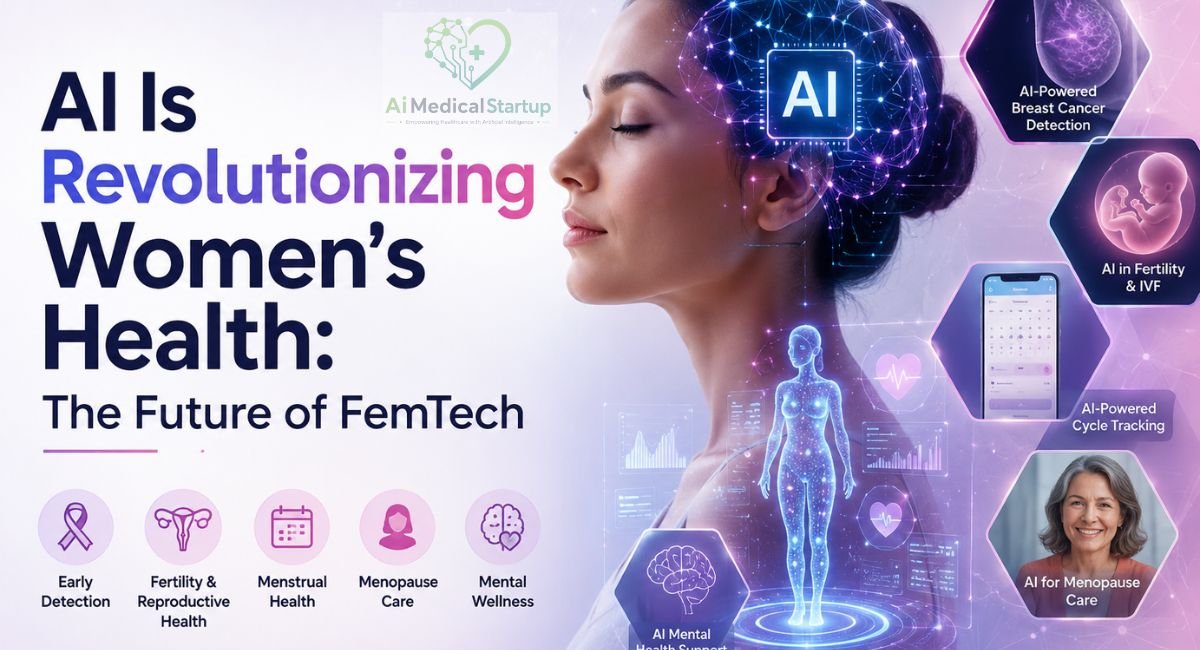
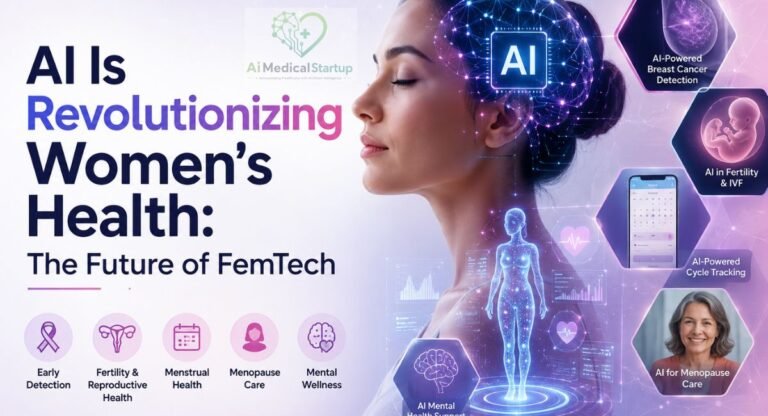
AI Is Revolutionizing Women’s Health: The Future of FemTech
Artificial intelligence is changing how we understand, prevent, and treat health conditions—and women’s healthcare is becoming one of its most exciting frontiers. From smarter breast cancer screening to fertility prediction, menstrual tracking, and personalized menopause care, AI in healthcare is helping turn massive amounts of health data into useful insights. This growing connection between technology and women’s health is driving the rapid evolution of FemTech, creating tools designed around needs that traditional healthcare has often overlooked.
AI can analyze patterns, support earlier detection, personalize treatment, and improve remote health monitoring. Yet the promise comes with important questions about privacy, bias, accuracy, and clinical oversight. So, what does this transformation really mean for women? Let’s explore how artificial intelligence is reshaping women’s healthcare today and what the future of FemTech could look like.
What Is FemTech and How Is AI Changing Women’s Health?
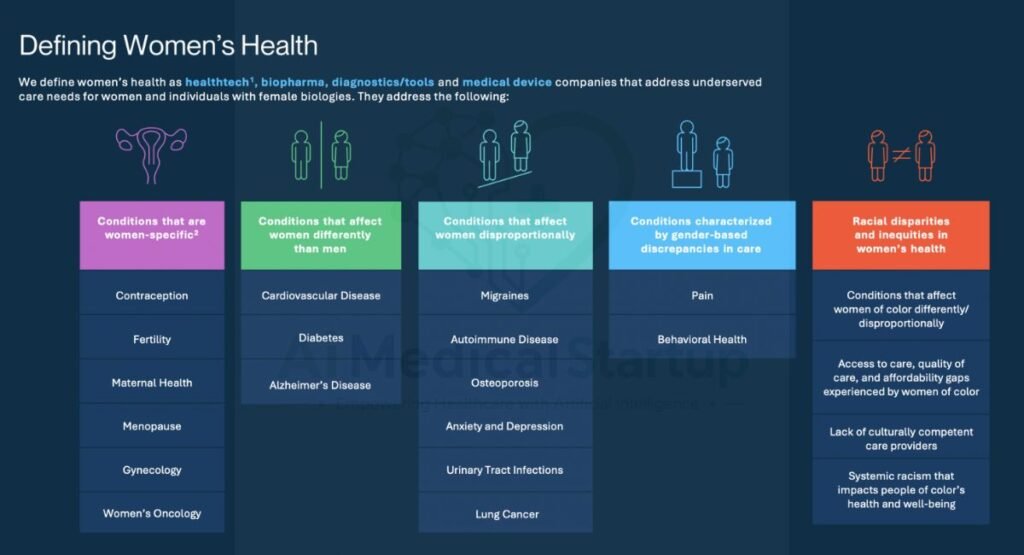
The word Femtech describes technology designed to address health needs that particularly affect women. Its scope now stretches far beyond period apps. It includes fertility platforms, reproductive health services, breast-health technologies, menopause tools, pregnancy monitoring, connected devices, diagnostics, and mental-health solutions. The growing sector sits at the intersection of women’s health technology, healthcare, consumer technology, and medical research.
Meanwhile, AI integration in Femtech is giving these products a more analytical brain. Instead of merely recording information, an algorithm can examine trends across thousands of observations and identify patterns that deserve attention. That does not mean every app provides medical diagnosis. Rather, AI-powered women’s health solutions can support monitoring, prediction, education, and clinical workflows when developers validate them for their intended purpose.
What Is FemTech?
FemTech is a broad category of healthcare technology created around women’s health needs. A simple cycle tracker and an advanced diagnostic platform can both fall under its umbrella. The important distinction is what the technology does and how reliable its evidence is. As digital women’s health develops, the strongest products increasingly connect patient-generated information with professional healthcare rather than operating as isolated wellness gadgets.
What Role Does Artificial Intelligence Play in FemTech?
AI gives FemTech systems the ability to recognize relationships within complex datasets. Machine-learning models can examine images, symptoms, physiological measurements, clinical records, and other information. AI applications may then estimate risk, classify images, identify unusual patterns, or personalize information. Generative AI adds another layer by producing text and interacting conversationally, although health-related outputs still require careful verification and safeguards. WHO’s 2025 guidance stresses that large multimodal models bring both opportunities and significant governance challenges.
Why AI Matters for Women’s Healthcare
Women often experience health across changing physiological stages, from menstruation and pregnancy to menopause and later-life conditions. That creates longitudinal patterns that occasional appointments may miss. AI-driven healthcare can potentially connect those patterns and support earlier intervention. Better data can also strengthen personalised healthcare, provided the underlying datasets represent different populations and the resulting models perform reliably across them.
How AI Is Transforming Women’s Healthcare
The most interesting change is not simply that computers can process information faster. It is that AI transforming women’s healthcare can connect information that previously lived in separate places. A wearable may capture physiological signals, an app may record symptoms, and a clinic may hold medical records. When appropriate systems bring these streams together, predictive analytics can reveal trends that are difficult to see manually.
Still, technology works best as an assistant rather than an oracle. AI-powered healthcare should help clinicians interpret information, prioritize attention, and personalize decisions. It should not encourage patients to treat an algorithmic score as a definitive diagnosis. WHO’s European Region reported in 2025 that AI-assisted diagnostics were already being used in many countries, particularly in imaging and detection, while also highlighting legal, data-quality, and accountability challenges.
Earlier Disease Detection
Earlier detection can change the entire trajectory of a disease. AI systems can examine medical images, laboratory information, symptoms, and longitudinal records for patterns associated with potential disease. AI disease prevention is therefore an important research area. Yet an alert remains an alert. A clinician must interpret it alongside examination findings, medical history, testing, and the patient’s circumstances.
Personalized Healthcare and Risk Prediction
Healthcare rarely fits neatly into averages. Two women with the same diagnosis may have different histories, risks, responses, and preferences. AI can analyze multiple variables simultaneously to support personalised medicine and individualized risk estimation. In practice, that could mean identifying which patients may benefit from closer monitoring or which information deserves discussion during an appointment.
AI-Powered Health Monitoring
Continuous information can reveal changes that a single appointment cannot. Smartwatches, rings, sensors, and connected platforms can collect physiological and behavioral signals over time. AI health monitoring can then examine those streams for meaningful changes. The useful insight is often not one unusual reading but a persistent pattern that gradually separates itself from a person’s normal baseline.
Clinical Decision Support
Doctors already manage enormous volumes of information. AI can help organize that complexity by flagging relevant findings, summarizing records, supporting image interpretation, or identifying potential risks. AI-driven women’s healthcare can therefore improve workflow without taking clinical responsibility away from healthcare professionals. The strongest systems fit into established care pathways instead of forcing clinicians to work around technology.
Remote and Digital Healthcare
Distance should not automatically become a barrier to care. AI telehealth can support remote symptom assessment, monitoring, communication, and triage when designed appropriately. It may prove particularly useful for patients who struggle to attend frequent appointments. However, remote technology needs clear escalation pathways. A digital interaction should quickly direct someone to in-person care when symptoms suggest an urgent or complex problem.
AI in Breast Cancer Detection and Treatment
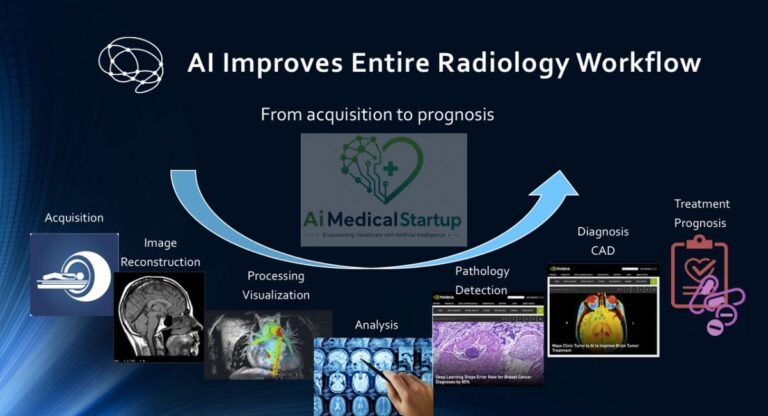
Breast cancer provides one of the clearest examples of how AI can enter women’s healthcare through medical imaging. Mammograms contain subtle visual patterns that require extensive clinical expertise to interpret. AI breast cancer detection systems can analyze those images and highlight areas that may warrant closer review. Their purpose depends on the individual device, so patients should not assume that every “AI-powered” tool has the same capabilities.
The regulatory landscape also shows why terminology matters. The FDA maintains a public list of authorized AI-enabled medical devices and explains that listed devices have met applicable premarket requirements for their intended uses. That distinction matters because research prototypes, wellness software, and regulated medical devices are not interchangeable. Good breast cancer screening technology must be evaluated in the setting where clinicians and patients will actually use it.
AI-Powered Mammogram Analysis
Mammography produces large amounts of visual information, and computer-vision systems can examine that information for suspicious patterns. AI-assisted mammography may highlight regions that deserve radiologist attention, potentially supporting workflow and consistency. However, image quality, population differences, disease prevalence, and clinical context all influence performance. An AI result therefore becomes one piece of the diagnostic process, not the final answer.
Detecting Suspicious Breast Lesions
A suspicious area on an image does not automatically mean cancer. AI-powered imaging can identify patterns associated with abnormalities, but further evaluation may involve additional imaging, clinical assessment, and sometimes biopsy. This distinction is crucial for patients. AI cancer detection may help identify concerning findings, while definitive cancer diagnosis generally depends on appropriate clinical and pathological evaluation.
Personalized Breast Cancer Risk Prediction
Risk assessment is becoming more data-rich. AI models can combine imaging characteristics with clinical history, family history, genetics, and other variables to estimate an individual’s likelihood of developing disease. Such early breast cancer detection strategies could eventually support more tailored screening pathways. However, risk prediction is not destiny. A probability estimate should guide conversation and assessment rather than create unnecessary fear.
AI in Breast Cancer Treatment Planning
Treatment decisions can involve pathology, imaging, tumor characteristics, previous treatment, molecular information, and patient preferences. AI may help clinicians analyze these complex inputs and identify patterns relevant to cancer treatment. Advanced tumour analysis is also being studied for treatment response and disease characterization. The practical goal is not to let software choose therapy alone, but to give oncology teams better tools for handling complicated evidence.
Can AI Replace Radiologists?
No. AI can automate or assist specific tasks, but radiology involves far more than recognizing pixels. Radiologists interpret findings within clinical context, communicate uncertainty, compare previous studies, and decide what requires further investigation. The more realistic model is human-machine collaboration. In that model, AI-assisted screening handles computational pattern recognition while trained professionals retain responsibility for interpretation and patient care.
AI in Fertility, IVF, and Reproductive Health
Fertility care produces another rich environment for AI because treatment involves many variables and repeated decisions. Algorithms can examine cycle information, laboratory results, imaging, treatment histories, and embryo-development data. This has created interest in AI in fertility treatments, particularly where clinicians need to compare complex information quickly. Yet fertility outcomes are influenced by biology, age, health, treatment protocols, and chance.
The evidence is promising but should not be oversold. A 2025 systematic review and diagnostic meta-analysis examined AI-based embryo assessment for predicting pregnancy outcomes in IVF and found the field promising while emphasizing the need to evaluate diagnostic performance carefully. In other words, AI in IVF is an active research field, not a crystal ball that can guarantee pregnancy.
AI-Powered Fertility Prediction
Fertility prediction can use several signals instead of relying solely on calendar averages. Algorithms may analyze cycle history, temperature, symptoms, hormone measurements, and other inputs to estimate fertile periods. AI fertility tracking can make these predictions more individualized. However, irregular cycles and incomplete information can reduce reliability, so users should treat predictions as estimates rather than guarantees.
AI in IVF and Embryo Selection
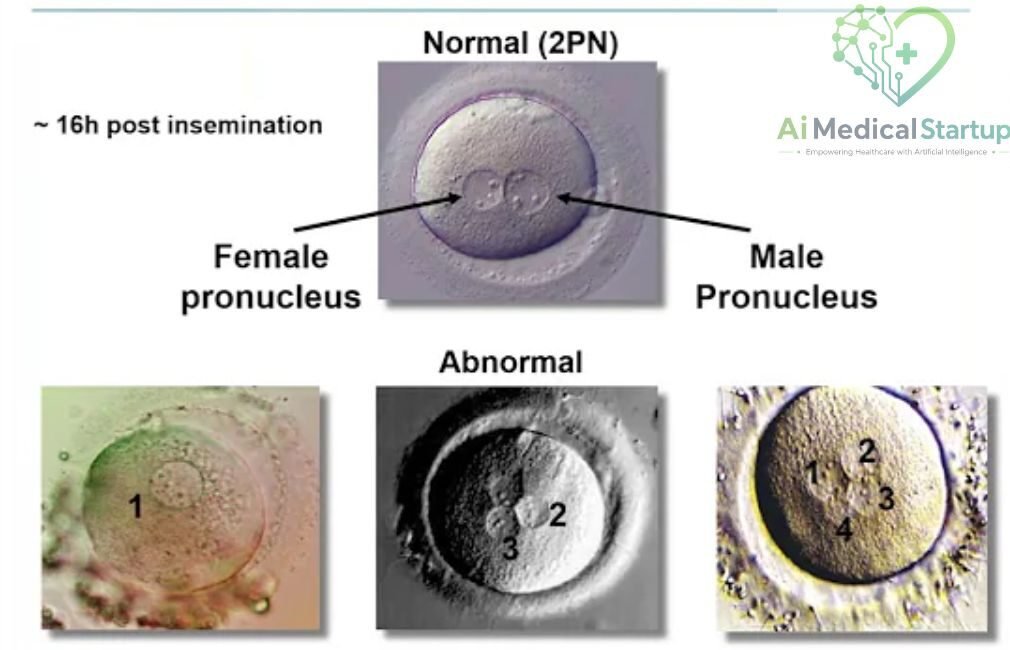
Embryo selection is one of the most closely studied reproductive applications. Computer-vision models can examine embryo images and developmental patterns to estimate which embryos may have favorable outcomes. AI embryo selection could help embryologists manage large amounts of visual information. Even so, embryo quality is biologically complex, and algorithmic scores cannot eliminate uncertainty around implantation or pregnancy.
Predicting Ovulation and Fertile Windows
Ovulation does not occur on an identical schedule for everyone. AI can analyze historical patterns alongside physiological signals to support AI ovulation prediction. Wearables and connected fertility platforms may add temperature or other measurements to the calculation. The advantage is personalization, but accuracy depends heavily on the quality, consistency, and clinical relevance of the information being collected.
Personalized Fertility Treatment
Fertility treatment can generate extensive clinical data across multiple cycles. AI may help clinicians compare previous responses, laboratory findings, treatment variables, and patient characteristics. This could support personalized health recommendations and more individualized planning. However, treatment decisions still require reproductive specialists because medical history, patient goals, risks, and preferences cannot be reduced to a single algorithmic score.
AI and Male-Female Infertility Assessment
Infertility is a couple-level issue, so technology should avoid placing the entire analytical burden on women. AI research can examine both female and male reproductive factors, including sperm characteristics and reproductive histories. This broader approach supports reproductive health technology that looks at the whole clinical picture. Better integration may also reduce fragmented assessments between different fertility services.
AI for Menstrual Health and Cycle Tracking
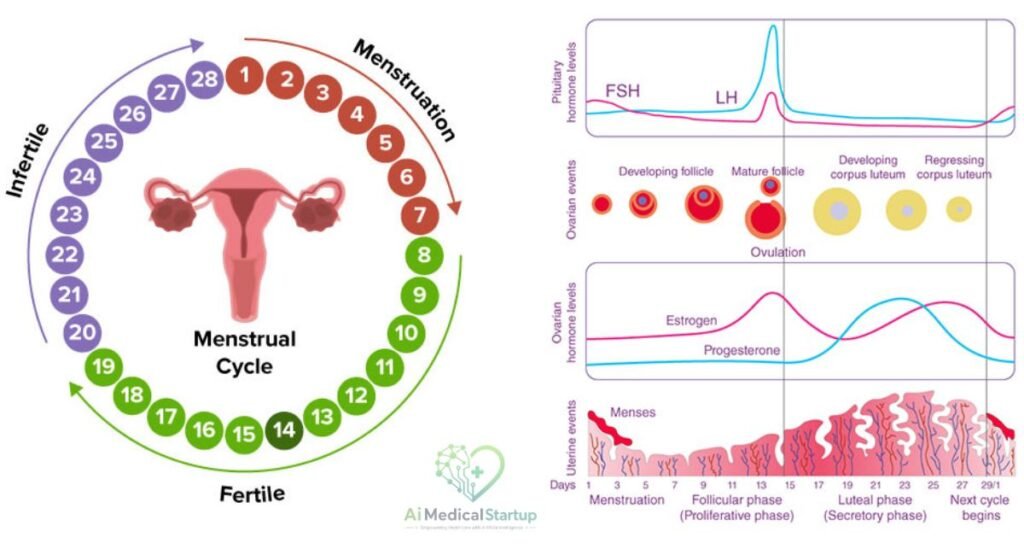
Period tracking began with simple calendars. Today’s systems can potentially do much more. AI menstrual cycle tracking can combine cycle dates with symptoms, sleep, activity, temperature-related signals, and other information. Instead of asking only “When is my next period?”, users may receive a richer picture of how their own patterns change over time.
Yet personalization has limits. A cycle-tracking app cannot automatically distinguish normal variation from a medical disorder. Conditions such as PCOS, thyroid disorders, pregnancy, perimenopause, stress, and other factors can alter menstrual patterns. Strong menstrual health technology should therefore encourage appropriate clinical evaluation when patterns persist or symptoms become concerning.
AI-Powered Period Tracking
Modern AI period tracking platforms can analyze repeated entries rather than simply displaying dates on a calendar. A system might recognize that certain symptoms repeatedly appear before menstruation or that cycle length has changed over several months. These insights can make tracking more useful. They should still remain educational and supportive unless the particular technology has an appropriate clinical indication.
Predicting Menstrual Cycles
Cycle prediction works best when enough reliable historical data exists. Algorithms can learn an individual’s typical timing and adjust forecasts as new information arrives. AI menstrual cycle tracking can therefore be more flexible than fixed calendar calculations. However, prediction becomes harder when cycles vary substantially, and an estimated date should never be treated as a medically certain event.
Detecting Irregular Period Patterns
An algorithm may notice changes that are difficult to spot manually. For example, it could identify progressively longer cycles or repeated changes in bleeding patterns. That does not mean the software has diagnosed a condition. Instead, predictive health analytics can act like a dashboard light, prompting you to consider whether professional assessment is appropriate.
PCOS and Endometriosis Detection
Researchers are exploring AI for conditions such as PCOS and endometriosis, where diagnosis can be difficult and symptoms may overlap with other conditions. Models can analyze combinations of symptoms, clinical information, imaging, and other data. The important distinction is between identifying a pattern associated with disease and confirming the disease itself. Diagnosis still requires appropriate clinical assessment.
Personalized Menstrual Health Insights
Longitudinal tracking can reveal individual patterns that generic health advice misses. AI may turn repeated observations into personalized summaries, reminders, or questions to discuss with a clinician. This can make hormonal health conversations more concrete. Instead of saying “something feels different,” a patient may arrive with several months of organized information that helps guide the discussion.
AI in Pregnancy, Maternal Health, and Postpartum Care
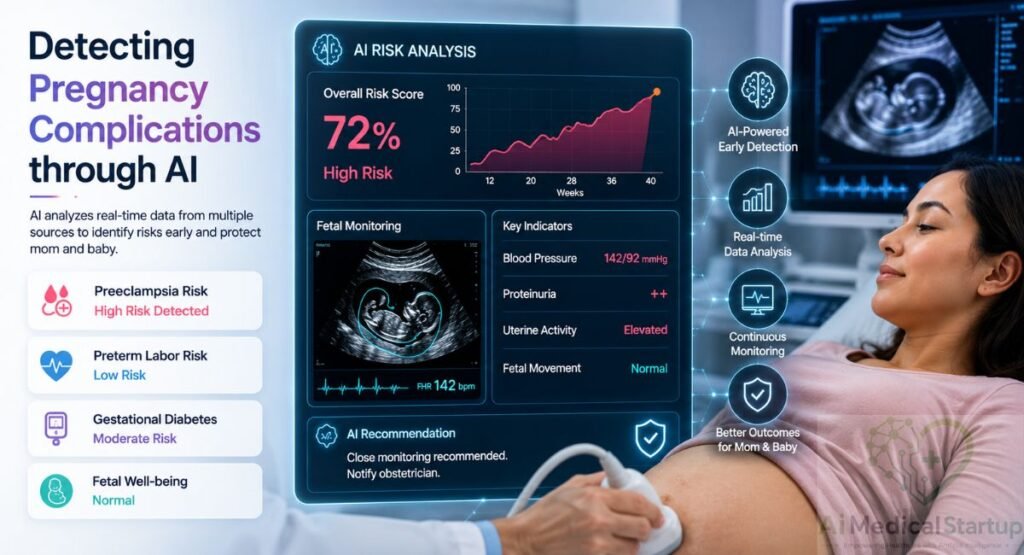
Pregnancy creates a fast-changing clinical environment where maternal and fetal health can evolve quickly. AI may help clinicians analyze measurements, imaging, medical histories, and monitoring data. AI for pregnancy can therefore support risk assessment and remote monitoring. The technology is especially interesting when it helps connect repeated observations rather than treating each appointment as an isolated event.
At the same time, pregnancy demands unusually careful safety standards. A false reassurance can delay care, while an unnecessary alert can create anxiety and additional testing. AI maternal health systems need clear thresholds, validated performance, and rapid clinical escalation. Their role should be to strengthen prenatal care, not encourage pregnant patients to manage potentially serious complications through an app alone.
AI for Pregnancy Risk Prediction
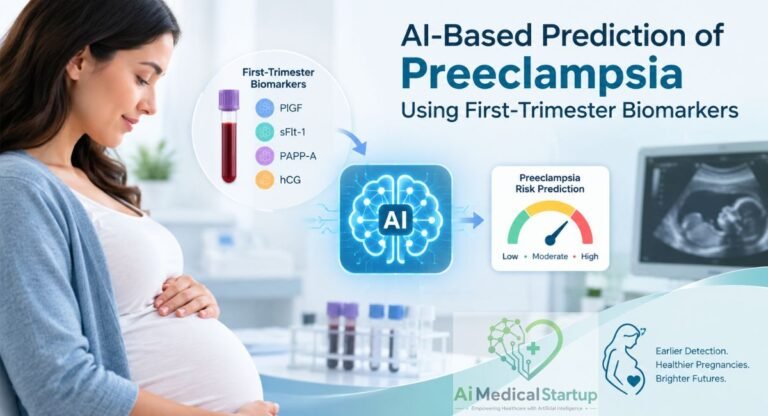
Pregnancy involves many possible risks, including hypertension, diabetes, and other complications. AI models can analyze combinations of clinical history, laboratory results, vital signs, and other measurements to estimate risk. AI disease prevention approaches may help identify patients who need closer observation. Such models work best when clinicians understand their limitations and use them within established care pathways.
Monitoring Maternal and Fetal Health
Remote monitoring can extend care beyond the clinic. Connected devices may collect maternal measurements, while specialized systems can analyze fetal information in appropriate clinical settings. Real-time health monitoring could help clinicians notice changes between appointments. Still, not every consumer device measures clinically meaningful variables, and patients should understand the difference between wellness tracking and medically validated monitoring.
Detecting Pregnancy Complications
AI is being studied for identifying patterns associated with pregnancy complications. The potential is attractive because earlier recognition can create more time for assessment and intervention. However, AI-powered women’s health solutions must avoid confusing statistical risk with diagnosis. A model can identify someone who deserves attention, but clinical professionals must determine what is actually happening.
AI in Prenatal Care
Prenatal care involves education, screening, documentation, risk assessment, and repeated communication. AI can assist with several administrative and informational tasks while also supporting certain clinical workflows. AI in healthcare can reduce information overload when implemented thoughtfully. For patients, the biggest benefit may be better continuity rather than a futuristic “AI doctor.”
AI for Postpartum Support
The postpartum period can be physically and emotionally demanding. Digital systems may help track recovery, mood, sleep, feeding concerns, and other symptoms. AI for postnatal depression could support screening and early referral when appropriately validated. However, postpartum symptoms can sometimes become urgent. Any system that detects serious concerns needs a clear route to human clinical support.
AI and Menopause Care
Menopause has often received less clinical attention than its impact on quality of life deserves. AI may help change that by making symptom patterns easier to record and analyze. AI menopause care can involve symptom tracking, sleep monitoring, personalized education, and risk assessment. Recent research is also examining AI applications across postmenopausal health, including prediction, imaging, wearable sensors, and digital platforms.
However, menopause is not one condition with one universal treatment. Symptoms differ greatly between individuals and can change over time. AI menopause management should therefore support individualized conversations rather than promote generic solutions. A useful system might help someone organize months of symptoms before an appointment, giving the clinician a clearer picture of what is happening.
AI-Powered Menopause Symptom Tracking
Menopause can affect sleep, temperature regulation, mood, energy, and other aspects of daily life. AI can analyze repeated symptom entries and physiological information to identify personal patterns. AI-powered menopause platforms may then provide summaries or tailored information. The value comes from making scattered observations easier to understand, not from pretending that an algorithm can replace clinical evaluation.
Personalized Menopause Care
A personalized menopause approach considers symptoms, medical history, preferences, lifestyle, and broader health risks. AI can help organize these variables and present them in a more usable format. Personalised women’s healthcare becomes particularly valuable when patients have several concerns at once. Still, decisions about medications or other treatments require qualified clinical assessment.
Predicting and Managing Symptoms
Some menopausal symptoms appear in recognizable patterns, while others fluctuate unpredictably. AI can potentially learn an individual’s historical patterns and estimate when certain symptoms may become more likely. This could support AI menopause management and practical planning. The prediction remains probabilistic, however, so users should not treat it as a promise about what their bodies will do next.
AI and Hormone-Related Health
Hormones influence many physiological processes, but consumer technology does not automatically measure hormones directly. Some platforms combine self-reported symptoms, temperature signals, and other measurements to infer patterns. Hormonal health technology can therefore provide useful context without necessarily providing a laboratory hormone measurement. That distinction should be obvious to consumers before they make healthcare decisions.
AI for Long-Term Health After Menopause
Menopause care should not stop at symptom management. Later-life health also involves cardiovascular, metabolic, bone, and other chronic disease risks. AI may help integrate information across these areas and support preventative healthcare. The future could involve systems that track changes over years, helping clinicians identify emerging risks while keeping prevention at the center of care.
AI for Women’s Mental and Emotional Health
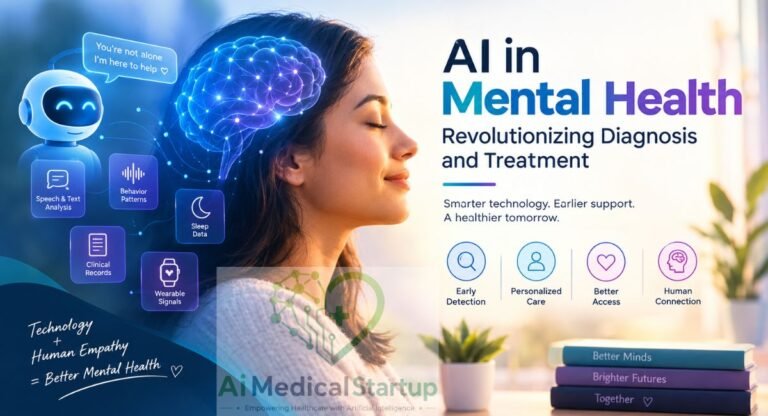
Women’s mental health deserves the same technological attention as physical health. AI can support screening, symptom tracking, education, and access to digital interventions. AI mental health support is particularly attractive because help can sometimes be accessed outside traditional office hours. However, convenience must never be confused with clinical adequacy, especially when symptoms are severe or rapidly worsening.
The most responsible systems create a bridge to professional care rather than a wall around it. AI mental health platforms can offer structured exercises, reminders, information, and monitoring. They can also help users prepare for conversations with clinicians. Yet mental health is deeply contextual, and automated systems can misunderstand language, miss warning signs, or produce inappropriate responses without sufficient safeguards.
AI Mental Health Chatbots
Conversational AI can provide immediate responses to basic mental-health questions and guide users through structured activities. AI mental health chatbots may also support journaling, mood tracking, or educational exercises. Their limitations matter, though. A chatbot should not be treated as an emergency service, therapist, or substitute for professional assessment when someone faces serious psychological distress.
Detecting Anxiety and Depression Patterns
Researchers are exploring whether language, questionnaires, behavior, sleep, and other signals can reveal patterns associated with depression or anxiety. AI anxiety and depression detection could potentially support earlier screening. Yet detecting a statistical pattern is not equivalent to making a psychiatric diagnosis. Context, clinical interviews, and professional judgment remain essential.
AI Support During Pregnancy and Postpartum
Pregnancy and the postpartum period can bring major emotional changes. Digital tools may help identify symptoms that deserve further assessment and provide educational support. AI for postnatal depression could become particularly useful if screening systems connect people with qualified professionals. The strongest approach is not “AI instead of care,” but AI helping people reach appropriate care sooner.
Personalized Mental Health Interventions
Different people respond to different forms of support. AI can potentially personalize reminders, educational material, mood-monitoring prompts, and structured cognitive behavioral therapy exercises. Some systems also use virtual therapy assistants to guide users through predefined activities. These tools can complement professional care, but they should not make unsupported clinical claims or obscure their limitations.
Limitations of AI Mental Health Tools
Mental-health AI faces an unusually delicate problem: people may trust a conversational system because it sounds empathetic. Yet fluent language does not prove understanding or clinical competence. Generative systems can produce incorrect information, and WHO has highlighted concerns about inaccurate outputs, automation bias, privacy, and inadequate governance in health applications.
AI-Powered Wearables and Personalized Women’s Health
Wearables turn healthcare data into something much more continuous. A smartwatch or ring can collect measurements throughout ordinary life rather than only during a clinic visit. When algorithms analyze those streams, AI-powered wearables can potentially identify trends in activity, sleep, temperature-related signals, heart rate, and other metrics. That creates new possibilities for health monitoring across different stages of women’s lives.
The important question is not how much data a device collects. It is whether that data is accurate, clinically meaningful, and used appropriately. A beautifully designed dashboard can still produce misleading conclusions. The future of AI-powered wearable devices will therefore depend on sensor quality, validated algorithms, transparent communication, and integration with professional healthcare when medical decisions are involved.
Smartwatches and Fitness Trackers
Smartwatches can gather information about activity, heart rate, sleep, and other physiological signals. AI can analyze these measurements over time and identify deviations from personal patterns. Wearable devices are therefore becoming part of the wider health-data ecosystem. However, consumers should check whether a feature is intended for general wellness or has been clinically validated for a specific medical purpose.
AI-Powered Health Monitoring
AI can transform a stream of measurements into a longitudinal picture. Instead of examining each reading separately, algorithms can search for trends and relationships across days or months. AI health monitoring may become especially useful when a change is subtle but persistent. The challenge is deciding which changes actually matter and ensuring that alerts do not overwhelm users or clinicians.
Sleep and Stress Tracking
Sleep and stress influence many aspects of well-being. Wearables can estimate sleep patterns and collect physiological signals associated with stress, while AI can examine these measurements alongside behavior. Such stress management tools may help users notice relationships between routines and symptoms. Still, wearable estimates should not be confused with formal clinical measurements or psychiatric diagnoses.
Hormonal and Reproductive Health Monitoring
Reproductive health creates a natural use case for longitudinal tracking. Wearables can contribute temperature-related information, while apps can record menstrual symptoms and cycle dates. Combined with algorithms, this creates hormonal health technology capable of generating personalized trends. The key limitation is that indirect signals cannot always tell you what is happening biologically with certainty.
Predictive Health Analytics
The real power of wearables may emerge when data accumulates over time. Predictive health analytics can compare current measurements with an individual’s historical baseline and identify meaningful deviations. Think of it as a car dashboard rather than a mechanic: it can show that something looks unusual, but a professional still needs to determine why.
How AI Could Help Close the Gender Health Gap
Technology alone cannot erase the gender health gap. However, women’s health research can benefit from better data collection, larger datasets, and more sophisticated analysis. AI could help researchers examine patterns across populations and identify questions that deserve deeper investigation. It may also support more individualized approaches where traditional averages fail to reflect women’s diverse experiences.
Yet the same technology can reproduce existing inequalities if developers feed it incomplete data. WHO notes that AI datasets can exclude women and other populations, allowing existing disparities to become embedded in algorithms. This makes gender bias in healthcare more than a theoretical concern. Representation must become part of development, testing, deployment, and ongoing monitoring.
Table: How AI Could Support the Gender Health Gap
| Area | Potential contribution | Key safeguard |
| Research | Find patterns across large datasets | Representative samples |
| Diagnosis | Support earlier identification | Clinical validation |
| Prevention | Estimate individual risk | Avoid overprediction |
| Reproductive care | Personalize monitoring | Protect sensitive data |
| Access | Support remote services | Reliable escalation |
| Research diversity | Analyze underrepresented groups | Inclusive datasets |
Challenges and Risks of Using AI in Women’s Healthcare
Every technological leap creates a new set of questions. In women’s healthcare, those questions become particularly sensitive because FemTech can process information about fertility, pregnancy, menstrual cycles, sexual health, genetics, mental health, and menopause. AI ethical concerns therefore cannot sit at the bottom of a product road-map. They need to shape the system from its earliest design stage.
The central issue is trust. People need to know what information a system collects, how it uses that information, how reliable its predictions are, and who remains responsible when something goes wrong. WHO’s recent European work highlights fragmented and biased datasets, governance gaps, unclear accountability, and AI literacy as major barriers to responsible adoption.
Data Privacy and Sensitive Health Information
Health information is unusually personal. Fertility records, pregnancy information, menstrual histories, genetic information, and mental-health data can reveal details that users may never expect to become commercial data. Sensitive health data therefore requires strong safeguards. Healthcare data privacy should include clear consent, appropriate security, limited access, responsible retention, and understandable explanations of how information is handled.
Algorithmic Bias
An algorithm can appear objective while inheriting the weaknesses of its training data. If certain populations appear less frequently, the model may perform poorly for them. AI algorithmic bias can therefore reproduce disparities under a technological veneer. Testing should examine performance across relevant demographic and clinical groups rather than relying only on an impressive overall accuracy number.
Lack of Diverse Training Data
Large datasets are not automatically good datasets. A million records from a narrow population can still produce a poorly generalizable model. Inclusive healthcare datasets need appropriate representation across age, ethnicity, geography, socioeconomic circumstances, disease severity, and other relevant characteristics. WHO’s health-data governance guidance specifically emphasizes representative, ethically sourced, high-quality data for safe and equitable AI.
Accuracy and False Results
No predictive system is perfect. A false positive may lead to anxiety, additional testing, or unnecessary procedures. A false negative may create dangerous reassurance. For that reason, AI healthcare bias and model accuracy must be evaluated together. A useful question is not merely “How accurate is the model?” but “How does it perform for this patient, in this setting, for this intended use?”
AI Hallucinations and Generative AI Risks
Generative AI can produce answers that sound polished even when they are wrong. In healthcare, that creates a particularly serious problem. AI ethical concerns include fabricated references, incorrect explanations, inappropriate recommendations, and excessive user confidence. WHO’s guidance on large multimodal models stresses the need for governance and careful evaluation because these systems can produce plausible but unreliable outputs.
Patient Consent and Data Ownership
Consent should mean more than clicking “I agree.” Users need understandable information about what happens to their data after collection. Data privacy becomes complicated when information moves between an app, cloud provider, analytics company, research partner, and healthcare organization. Clear policies should explain collection, sharing, retention, deletion, and secondary use in language ordinary people can understand.
Human Oversight and Clinical Responsibility
A computer cannot carry clinical responsibility in the same way a healthcare professional can. Healthcare providers must remain able to question an algorithm, override it, and investigate unexpected results. WHO’s ethical framework emphasizes accountability, transparency, human autonomy, and responsibility in AI for health. In other words, the machine can assist the decision; it should not quietly own it.
Is AI Safe and Regulated for Women’s Healthcare?
The answer depends on the technology. There is no single category called “safe AI.” A menstrual wellness app, a chatbot, an AI-supported mammography system, and a clinical decision-support tool can have very different risk profiles. Ethical AI in healthcare requires assessing the specific purpose, evidence, data, safeguards, and regulatory status of each product.
Regulation is also evolving differently across jurisdictions. In the United States, the FDA oversees medical devices according to their intended uses and applicable regulatory requirements. In Europe, AI regulation intersects with medical-device rules and the EU’s broader AI governance framework. Across all markets, however, one principle remains useful: a marketing claim is not the same thing as clinical evidence.
FDA Regulation of AI Medical Devices
The FDA maintains an AI-enabled medical-device list to provide transparency about authorized products in the United States. The agency explains that listed devices have met applicable premarket requirements, including review of safety and effectiveness appropriate to their intended use. This means consumers should look beyond the phrase “AI-powered” and examine what the specific device is actually authorized to do.
Clinical Validation and Evidence
A compelling demonstration is not enough. Researchers need to test whether an AI system performs reliably outside the dataset used to develop it. AI in healthcare requires evidence that considers accuracy, generalizability, safety, workflow effects, and patient outcomes. Independent validation matters because a model can perform beautifully on familiar data yet struggle when deployed in another hospital or population.
AI vs FDA-Cleared Medical Devices
Not every AI application is a medical device, and not every medical device has the same regulatory status. Some products provide wellness information, while others perform defined medical functions. The FDA’s public database helps demonstrate this distinction. Therefore, consumers should avoid treating “AI-powered” as a synonym for “FDA-cleared” or “clinically proven.”
Why Human Clinical Oversight Still Matters
Medicine involves uncertainty, context, and human preferences. A patient may have symptoms that contradict an algorithmic prediction, or a treatment may be inappropriate because of another medical condition. AI-assisted screening and decision-support tools work best when clinicians can inspect results, recognize limitations, and communicate options. Human oversight provides the contextual layer that raw pattern recognition cannot reliably supply.
Privacy and Data Protection Regulations
Privacy requirements differ across markets. In the United States, HIPAA applies to covered entities and certain business associates rather than every health application. In the European Union, GDPR provides broad data-protection requirements, including rules relevant to health data. UK organizations operate under the UK’s data-protection framework. Because legal obligations vary by product and organization, developers should obtain specialist advice rather than treating one privacy rule as universal.
What Is the Future of AI and FemTech?
The future of FemTech will probably look less like one revolutionary application and more like an ecosystem of connected technologies. AI, wearables, telehealth, clinical records, imaging, home diagnostics, and patient-generated data can increasingly work together. The goal is a smoother health journey in which information follows the patient appropriately instead of disappearing into separate digital silos.
This shift could make healthcare more predictive and personalized, but technology will not automatically make care better. The future of AI in women’s health depends on evidence, access, regulation, patient trust, and inclusive design. WHO Europe’s 2025 assessment found substantial AI adoption across the region while emphasizing continuing challenges involving legal uncertainty, data quality, financing, and responsible governance.
AI-Powered Personalized Women’s Healthcare
Future platforms may build longitudinal health profiles that connect symptoms, clinical records, wearable measurements, and other appropriate information. Personalized AI healthcare could then help identify trends specific to an individual rather than relying solely on population averages. The challenge will be making those profiles useful without turning women’s lives into endless streams of surveillance.
Predictive and Preventive Healthcare
Medicine traditionally reacts when a patient becomes unwell. AI could strengthen the preventive side by identifying risk earlier and supporting personalized interventions. AI disease prevention and predictive analytics for women’s health may become increasingly important as models improve. The best systems will help clinicians act earlier without creating unnecessary alarms.
AI Agents and Virtual Health Assistants
Future AI agents may help patients prepare questions, summarize health histories, navigate appointments, explain routine information, and follow care plans. These systems could become sophisticated virtual therapy assistants or general health-navigation tools. Their boundaries will matter enormously. An agent that organizes information is very different from one that independently diagnoses disease or changes treatment.
AI – Wearables – Remote Monitoring
The combination of sensors, smartphones, algorithms, and telehealth could create a continuous care loop. AI-powered wearable devices might detect a meaningful change, the system could notify a care team, and a clinician could decide whether further evaluation is necessary. This model could reduce reliance on isolated appointments while preserving human decision-making.
More Inclusive Women’s Health Data
The future needs better data, not simply more data. Researchers and AI developers will need to include populations that have historically received less representation in health datasets. Inclusive research can improve model reliability and reduce gender health disparities. Data quality, diversity, governance, and patient participation should become fundamental design requirements.
The Future of AI-Driven FemTech Startups
The next generation of Femtech startups may focus on areas such as diagnostics, reproductive health, menopause, maternal monitoring, mental health, and personalized prevention. Successful companies will need more than impressive software. They will need clinical evidence, strong cybersecurity, regulatory awareness, responsible data practices, and credible partnerships with healthcare providers. Investment should reward durable clinical value rather than technology hype.
Frequently Asked Questions About AI in Women’s Health
As AI revolutionising women’s health becomes a larger part of public conversation, readers naturally want to know where the technology is useful and where caution is necessary. The answers below focus on practical understanding rather than exaggerated promises. AI can support many healthcare tasks, but its capabilities depend heavily on the specific system, data, validation, and intended use.
For patients, the safest mindset is simple: ask what the technology actually does. Look for evidence, understand what information it collects, and find out whether it has appropriate regulatory authorization when making medical claims. Most importantly, don’t let a digital prediction delay professional care when symptoms are serious or persistent.
How is AI being used in women’s health?
AI is being studied and deployed across imaging, fertility, reproductive health, menstrual tracking, pregnancy, menopause, mental health, wearables, and clinical decision support. AI applications range from pattern recognition in medical images to personalized monitoring. Some are consumer wellness tools, while others are regulated medical technologies with specific intended uses. Those categories should not be treated as interchangeable.
What is FemTech in healthcare?
FemTech refers broadly to technology designed to address women’s health needs. It includes women’s health technology for menstruation, fertility, pregnancy, breast health, menopause, mental health, diagnostics, and other areas. The term covers a wide spectrum, from consumer apps to sophisticated medical devices. What matters most is whether a particular product provides credible value and appropriate evidence.
Can AI detect breast cancer?
Certain AI systems can assist with breast-image analysis and flag suspicious findings. AI breast cancer detection is therefore a real area of clinical development. However, an algorithmic alert does not automatically establish cancer. Radiologists and other clinicians still interpret findings, while additional imaging or pathology may be needed for diagnosis. The technology’s capabilities depend on its specific validated use.
Can AI help with fertility and IVF?
Yes, AI can support research and clinical workflows involving fertility prediction, embryo assessment, and treatment planning. AI in IVF is especially active in embryo-selection research. However, fertility outcomes involve many biological variables, and AI cannot guarantee implantation or pregnancy. Patients should therefore view algorithmic predictions as decision-support information rather than certainty.
Can AI predict menstrual cycles?
AI can analyze historical cycles and other available signals to estimate when menstruation or ovulation may occur. AI period tracking can become more personalized as additional data accumulates. However, predictions can become less reliable with irregular cycles, incomplete information, or major physiological changes. A prediction should not be used as a substitute for clinical evaluation.
Can AI help with menopause?
Yes. AI can support symptom tracking, health monitoring, personalized education, and research into menopause-related risks. AI menopause care is developing rapidly, although the evidence and capabilities vary between technologies. A useful platform can help organize symptoms and patterns, but it should not independently prescribe treatment or replace a clinician’s assessment.
Is AI safe for women’s healthcare?
AI can be useful when it is appropriately designed, validated, monitored, and governed. Safety depends on the particular technology rather than the word “AI” itself. AI-powered healthcare can introduce risks involving privacy, bias, false results, and inappropriate recommendations. WHO recommends strong governance, ethical safeguards, transparency, and human-centered implementation for AI in health.
Can AI replace doctors?
AI can automate or assist specific tasks, but replacing doctors entirely is a very different proposition. AI transforming women’s healthcare is more realistically about collaboration between technology and clinicians. Doctors provide examination, context, communication, ethical judgment, and accountability. AI can process patterns quickly, but healthcare decisions still require human responsibility and patient-centered judgment.
Conclusion: The Future of AI in Women’s Health
The story of AI revolutionising women’s health is ultimately not about machines taking over medicine. It is about giving patients and clinicians better tools for understanding complex, changing health information. From breast imaging and fertility to menstrual health, pregnancy, menopause, mental health, and wearables, AI is opening new possibilities for more personalized and proactive care.
Yet the most exciting future will not necessarily belong to the company with the flashiest algorithm. It will belong to technologies that earn trust through evidence, privacy, inclusiveness, and meaningful clinical outcomes. AI in healthcare can help close information gaps, but only responsible development can prevent new ones. If FemTech combines strong science with thoughtful technology, women’s healthcare could become more connected, predictive, personalized, and genuinely patient-centered.

Dr. Kanza Sarfraz, M.B.B.S., is a medical doctor and graduate of Allama Iqbal Medical College, Lahore. She brings nearly seven years of clinical experience across tertiary-care hospitals, medical headquarters, and healthcare facilities in both the public and private sectors. Her clinical experience provides a practical perspective on healthcare delivery, emerging medical technologies, and the evolving role of artificial intelligence in medicine.