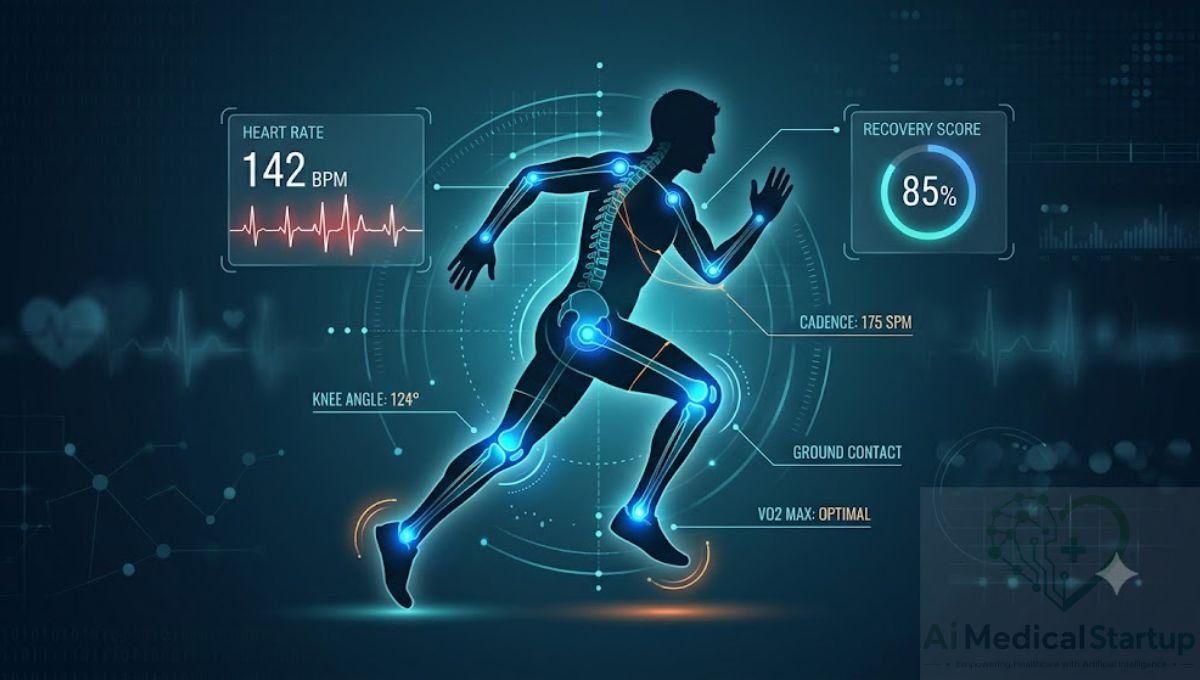
AI in Fitness

AI in the Fitness Industry:
How AI Is Changing Fitness and Wellness
From predictive recovery tracking to computer-vision form checks, discover how machine learning and smart wearables are shaping the next generation of personal coaching.
AI Workout Readiness Bot
● Dynamic Engine Ready
The fitness industry is entering a new era where technology can understand more than just steps and calories. AI in the fitness industry is helping transform workouts, coaching, recovery, nutrition, and everyday wellness through smarter data analysis. Modern AI fitness apps can study activity patterns, training history, sleep, and performance to deliver more personalized guidance. Wearables and connected devices also provide valuable information that artificial intelligence in fitness can process in real time.
From virtual coaches to exercise form analysis, fitness technology is becoming more adaptive and responsive. As these innovations grow, personalized fitness could make training more efficient, accessible, and engaging while raising important questions about accuracy, privacy, safety, and the future relationship between humans and intelligent technology.
AI in the Fitness Industry: How Artificial Intelligence Is Changing Fitness and Wellness
The biggest change brought by AI and fitness is the move from passive tracking to active interpretation. A conventional tracker may tell you that you walked 8,000 steps. An AI-enabled system can potentially combine that activity with your previous workouts, heart rate, sleep, goals, and recovery patterns to provide a more useful recommendation. This creates a shift from simply collecting numbers toward creating customized fitness experiences.
The distinction matters because fitness is highly individual. Two people can complete the same workout and respond very differently. Their age, experience, recovery, sleep, nutrition, training history, and physical condition may all influence the outcome. Modern fitness technology aims to recognize those differences. AI can support that process by identifying patterns across large datasets and adapting recommendations over time.
What Is AI in Fitness?
AI in fitness refers to the use of artificial intelligence technologies to analyze exercise, activity, behavioral, and sometimes health-related information. These systems can use AI algorithms, machine learning, computer vision, predictive models, and natural-language interfaces to produce recommendations or automate specific tasks. Examples include workout planning, movement analysis, virtual coaching, activity interpretation, and recovery suggestions.
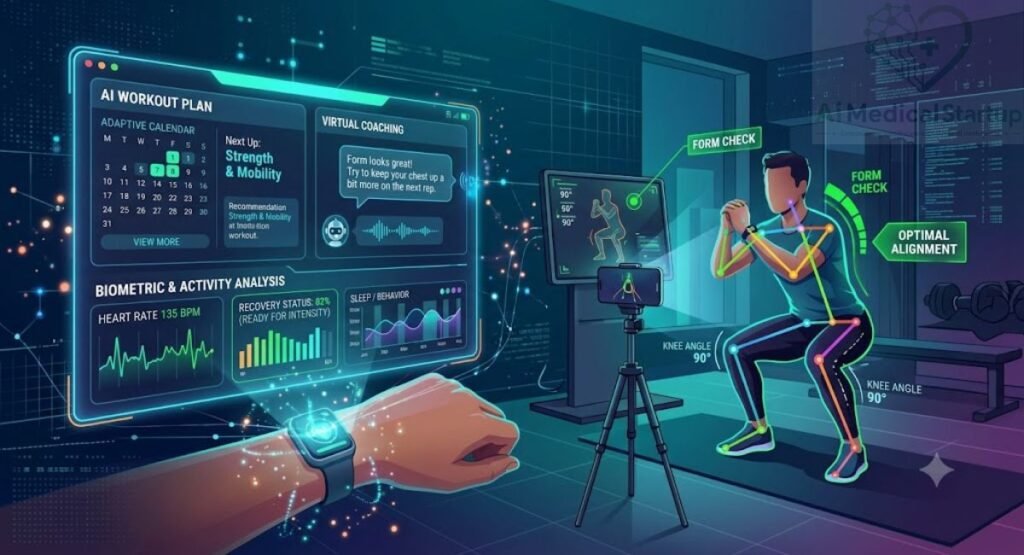
The important distinction is that AI does not simply store information. It attempts to find relationships within that information. An AI-powered training system might notice that a user performs better after longer recovery periods. It might then modify future sessions. Similarly, computer vision can analyze movement through a camera and provide posture correction or technique feedback. The quality of these outputs depends heavily on the quality of the underlying data and model.
Why Is AI Becoming Important in the Fitness Industry?
Consumer expectations are changing. People increasingly want fitness services that fit their schedules, goals, abilities, and preferences. Traditional fitness coaching can be highly effective, but it is not always affordable or available. AI can make certain forms of virtual coaching available through smartphones and connected devices at almost any time.
Another factor is the enormous amount of information generated by modern devices. Wearable technology, smartphones, fitness trackers, and smartwatches can collect activity and physiological measurements throughout the day. AI provides an interpretation layer over this information. For fitness companies, personalization can also support user engagement, workout adherence, and potentially user retention when recommendations feel relevant rather than generic.
How AI Differs From Traditional Fitness Technology
Traditional digital fitness tools generally focus on measurement, storage, and simple calculations. AI-powered systems attempt to go further by recognizing patterns and generating adaptive recommendations. A basic application may count repetitions. A more advanced system may use computer vision to assess movement and provide real-time feedback.
Traditional vs. AI-Powered Fitness Tech
Compare how traditional tracking measures metrics against how dynamic AI systems interpret your data.
| Traditional Fitness Technology | AI-Powered Fitness Technology |
|---|---|
| Records steps | AI Interprets activity patterns |
| Counts repetitions | AI May analyze movement quality |
| Displays heart rate | AI Interprets heart-rate trends |
| Stores workout history | AI Can adapt future training |
| Provides fixed programs | AI Can generate personalized workout plans |
| Shows sleep duration | AI May connect sleep with recovery recommendations |
| Tracks calories | AI Can combine activity with broader behavioral patterns |
The difference is therefore not simply whether a product uses the word “AI.” A meaningful AI system should provide some form of intelligent analysis, prediction, personalization, or automated decision support.
The Role of Data in AI-Powered Fitness
Data is the foundation of modern data-driven fitness. AI systems may receive information about activity, exercise history, sleep, heart rate, workout duration, movement, preferences, and goals. They may also use user input about available equipment, preferred training days, favorite exercises, and desired outcomes. The system then converts this raw information into structured information that models can analyze.
This creates both opportunity and responsibility. High-quality, representative data can improve personalization, while incomplete or biased data can produce weak recommendations. In health-related applications, data governance becomes especially important because some fitness information can qualify as sensitive personal information depending on context and jurisdiction.
How Does AI Work in Fitness Applications and Platforms?
An AI fitness platform usually operates as a continuous feedback system. First, it gathers information. Next, it cleans and processes that information. The system then identifies patterns, compares them with the user’s objectives, and produces recommendations. As new information arrives, the system can update its understanding of the user.
This process is becoming more sophisticated as fitness platforms connect multiple devices. A smartwatch can provide activity data. A smartphone can provide location or movement information. A smart ring can provide additional recovery measurements. A connected gym machine can contribute exercise performance data. Combining these sources can create a more complete picture than any single device can provide.
Collecting Fitness and Health Data
Modern fitness applications can gather information from wearable devices, smartphones, smartwatches, connected gym equipment, cameras, and manual questionnaires. Common inputs include heart rate, activity levels, exercise duration, calories burned, sleep information, movement, and training history. The user may also provide goals such as weight loss, muscle gain, endurance, or general health.
The challenge is that different devices measure different things with different levels of accuracy. Sensor placement, device quality, movement, skin contact, and environmental conditions can affect measurements. AI systems therefore need strong data collection and validation processes before raw measurements become useful recommendations.
Processing and Interpreting User Data
Collected information is usually not ready for immediate AI analysis. The system may need to clean missing values, identify unusual measurements, standardize formats, and remove obvious noise. This stage is called data processing, and it can have a major impact on the final result.
A fitness platform may then organize the information into categories such as training load, activity level, recovery, sleep, and exercise history. Cloud-based databases and cloud computing can allow large platforms to process data at scale, although companies must also consider cloud storage, security, access permissions, and regulatory requirements.
Understanding Individual Fitness Patterns
AI becomes more useful when it understands patterns rather than isolated events. One poor night’s sleep may not mean much by itself. A repeated pattern of poor sleep followed by reduced exercise performance may provide more meaningful information.
The system can examine user preferences, workout styles, favorite exercises, training times, and motivational patterns. Over time, these signals can reveal behavioral trends. This allows a platform to build a more individualized profile rather than treating every user according to the same template.
Generating Personalized Recommendations
Once an AI system has enough information, it can produce tailored recommendations. These may include exercise selection, training intensity, workout duration, rest periods, recovery days, or changes to a training schedule. Some systems can also generate dietary recommendations, although nutrition advice varies greatly in quality and should not be confused with individualized medical nutrition therapy.
The most useful systems do not simply generate a plan once and leave it unchanged. They continuously compare the plan with actual performance. If a user consistently struggles with a particular workload, the system may suggest an adjustment. This creates a cycle of personalized training rather than a static program.
Real-Time Activity Tracking and Feedback
Real-time AI can provide feedback while an activity is happening. Camera-based systems may analyze body position. Wearables may monitor heart rate and activity. Running platforms can analyze pace and movement. Smart gym equipment can monitor repetitions and resistance.
The advantage is immediate feedback. A user may receive real-time feedback rather than discovering a problem after the session. However, real-time recommendations must be carefully designed because exercise conditions change quickly. AI should support good judgment rather than encourage users to chase an algorithmic score at the expense of comfort, safety, or proper technique.
Predictive Analytics for Fitness and Wellness
Predictive analytics uses historical and current information to estimate what may happen next. In fitness, this can involve predicting performance trends, recovery needs, training readiness, or changes in activity behavior.
These systems may produce predictive recommendations based on patterns such as training load, sleep, recovery, and previous performance. The word “predictive” should not be confused with certainty. An AI model can estimate probability, but it cannot guarantee that an outcome will occur. This distinction becomes especially important when fitness applications begin to overlap with predictive health.
Machine Learning and Continuous Improvement
Machine learning allows software to identify patterns from data rather than relying only on manually written rules. A model can learn relationships from previous examples and apply those patterns to new situations.
As users interact with an application, new information may improve personalization. This is sometimes described as continuous model training, although not every consumer application continuously retrains its production model. Some systems update user-specific recommendations without changing the underlying model. Others periodically retrain models using larger datasets. The important point is that AI fitness systems can become increasingly context-aware when designed responsibly.
AI, Machine Learning & Computer Vision in Fitness
Artificial intelligence is the broader concept, while machine learning is one important method used to build AI systems. Computer vision is another technology that allows systems to interpret visual information. In fitness, computer vision can identify body landmarks and analyze movement patterns during exercises.
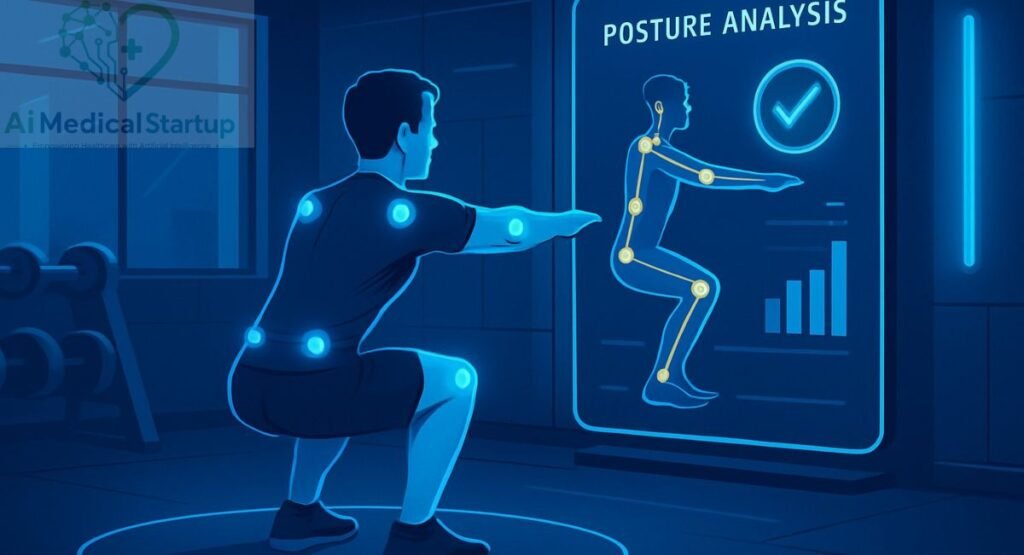
For example, a camera-based application may estimate the position of a user’s knees, hips, shoulders, and elbows during a squat. The software can compare those movements against predefined criteria and provide feedback. However, camera angle, lighting, clothing, body position, and occlusion can affect performance, so AI transparency and clear limitations remain important.
How Wearable Sensors Feed AI Systems
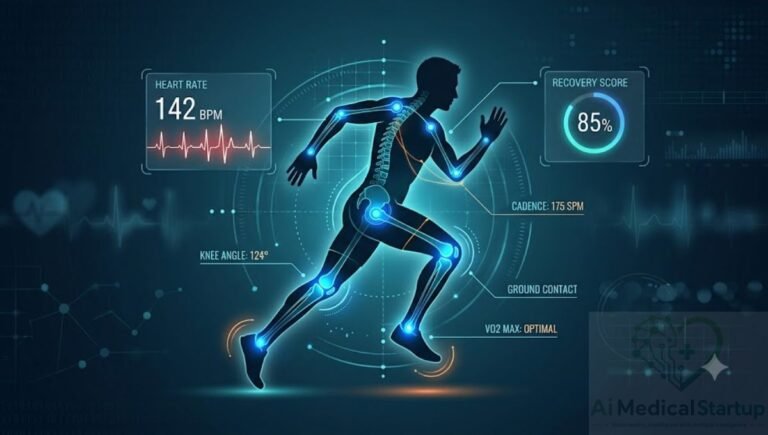
Wearable sensors create a continuous stream of information. Accelerometers can detect movement. Gyroscopes can measure orientation and rotation. Optical sensors can estimate heart rate. GPS can track movement outdoors. Other sensors can contribute information about sleep or activity.
AI systems can combine these signals with contextual information. For example, the same heart-rate value can mean different things during rest, walking, sprinting, or strength training. Context allows AI to interpret measurements more intelligently than isolated numbers.
Key Applications and Use Cases of AI in the Fitness Industry
The practical applications of AI fitness solutions are expanding rapidly. Some systems focus on individual consumers, while others serve trainers, gyms, sports teams, and wellness providers. The strongest applications generally solve a clear problem rather than adding AI simply for marketing.
Across the industry, AI is being used for personalized programming, virtual coaching, movement analysis, wearable interpretation, nutrition planning, recovery, engagement, and business operations. These applications can overlap. A single fitness platform may combine several of them into one integrated experience.
Personalized Workout and Training Plans
AI can create personalized training programs by combining fitness level, goals, schedule, equipment, previous performance, and preferences. A user preparing for a 10K race needs a different plan from someone beginning resistance training. A person with only 20 minutes available on weekdays may also need a different program.
The major advantage is adaptability. A static program may become inappropriate when circumstances change. AI can potentially modify customized workout routines as performance and behavior evolve. However, the quality of those changes depends on the model, the data, and whether the system understands important individual limitations.
AI-Powered Virtual Fitness Coaches
Virtual fitness coaches can provide guidance without requiring a trainer to be physically present. They can explain exercises, organize workouts, answer basic fitness questions, track progress, and provide motivation. Generative AI is making these systems more conversational because users can communicate with them through natural language.
A useful virtual fitness coach should do more than generate impressive-sounding text. It should understand the user’s context, communicate limitations clearly, and avoid presenting uncertain information as fact. Human trainers remain valuable when users need direct observation, nuanced judgment, accountability, or specialized expertise.
Exercise Form and Movement Analysis
Computer vision is opening another major area for artificial intelligence fitness applications. Cameras can capture movement and software can estimate joint positions, angles, repetition counts, and movement patterns.
This technology can support proper form, posture corrections, and exercise demonstrations. It may be especially useful for common movements such as squats, lunges, push-ups, yoga poses, and mobility exercises. Yet AI-based form assessment should not be treated as infallible. A camera sees only what is within its field of view, and movement quality cannot always be reduced to a simple mathematical pattern.
Wearable Technology and Performance Tracking
Wearable technology has become one of the most important data sources for modern fitness. Fitness trackers and smartwatches can collect activity and physiological measurements throughout the day.
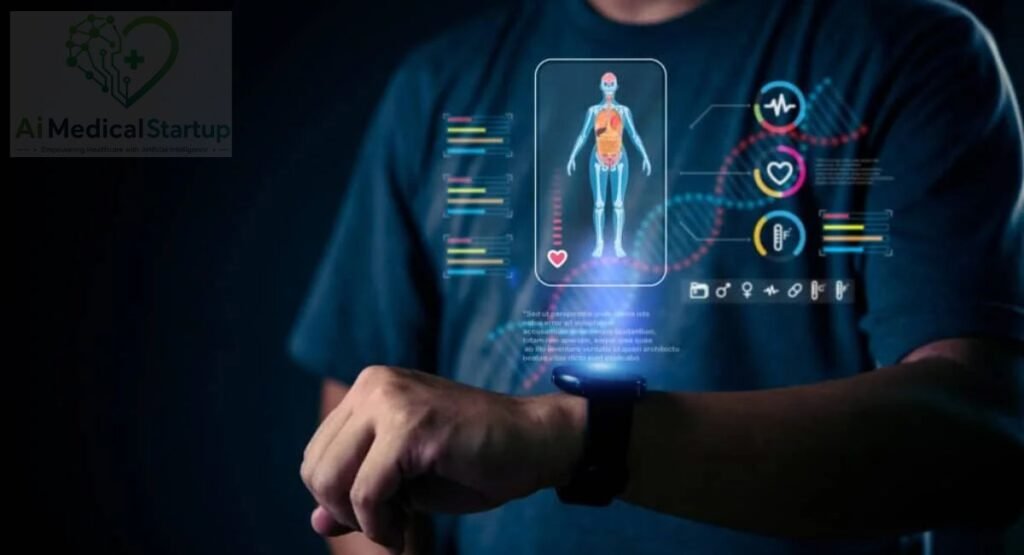
AI can transform those measurements into performance tracking and recommendations. Instead of seeing hundreds of isolated readings, users may see trends in activity, recovery, sleep, or training load. This is where AI adds value beyond simple measurement.
Injury Prevention and Recovery
AI can support injury prevention by identifying unusual training patterns, sudden increases in workload, movement changes, or prolonged fatigue. Some systems can flag patterns that deserve attention before a user continues increasing training volume.
AI can also support injury recovery by organizing rehabilitation exercises, tracking adherence, or providing progress information. However, injury diagnosis and rehabilitation decisions may require qualified professionals. An AI system should not encourage someone to exercise through unexplained pain or replace appropriate clinical evaluation.
AI-Powered Nutrition and Diet Planning
Nutrition is becoming closely connected to fitness applications. AI can help users organize nutrition planning, estimate caloric needs, analyze food logs, and create meal suggestions based on goals and dietary preferences.
AI nutrition systems can also consider nutrient intake, activity, training schedules, and personal preferences. Yet nutrition is not one-size-fits-all. People with medical conditions, eating disorders, allergies, pregnancy-related needs, or complex dietary requirements may need professional guidance rather than generic AI nutrition planning.
Sleep, Recovery & Stress Monitoring
Fitness does not happen only during workouts. Recovery can influence performance, motivation, and consistency. AI systems can combine sleep duration, sleep quality, activity, training history, and other measurements to create recovery-oriented recommendations.
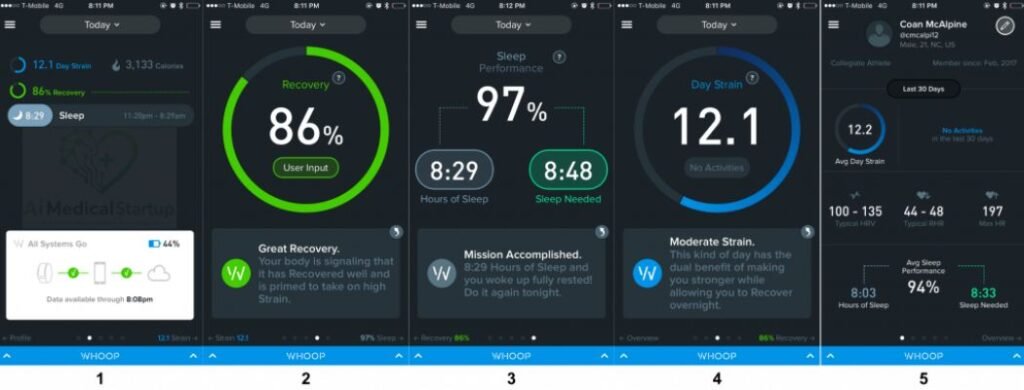
Some platforms also explore stress monitoring and emotion AI. This area requires particular caution. Emotional states are complex, and sensor measurements cannot reliably capture every psychological experience. AI can identify patterns in behavior or physiological signals, but it should not pretend to understand someone’s emotional state with certainty.
Predictive Health and Wellness Insights
The future of health and wellness technology is increasingly moving toward predictive insights. Instead of asking only what happened, systems are beginning to ask what might happen next.
In fitness, this could mean identifying changes in activity, recovery, training consistency, or other lifestyle patterns. Such systems can encourage preventive measures and healthier lifestyle adjustments. However, consumer wellness predictions should not automatically be interpreted as medical diagnoses.
AI-Powered Gym and Fitness Management
AI can also operate behind the scenes. Gyms and wellness companies can use AI to understand attendance, member behavior, equipment usage, class demand, and engagement patterns.
For businesses, AI-powered fitness solutions can support personalization at scale. A large fitness platform may use automation to recommend classes, training content, or reminders to thousands of users. This can support operational efficiency while giving members a more individualized experience.
Computer Vision for Exercise Technique
Computer vision can act like a digital observer during certain exercises. The system can identify body landmarks and compare movement against predefined patterns. It may count repetitions, detect movement deviations, or offer real-time feedback.
The technology is promising, but context matters. A movement that looks different from a predefined pattern is not necessarily unsafe. Human bodies vary naturally. AI systems should therefore avoid treating one rigid movement pattern as the only acceptable technique.
AI-Based Recovery Recommendations
Recovery recommendations can combine training load, sleep, activity, and previous performance. If a user has trained intensely for several consecutive days and also shows signs of reduced recovery, an AI system might recommend a lighter session. The goal is not to tell the body exactly what to do. Instead, it is to provide another source of information. Good systems should present recovery recommendations as guidance rather than unquestionable instructions.
AI-Powered Personalized Workouts: The Future of Individual Training
Personalization may become one of the strongest long-term advantages of AI in fitness. Traditional workout plans often assume that people will follow the same progression on a fixed schedule. Real life is messier. People sleep poorly, miss sessions, travel, become busy, recover at different rates, and respond differently to training. AI can potentially make training more adaptive. A platform can compare planned workouts with actual performance and adjust future sessions. This creates AI-powered personalized workouts that evolve instead of remaining static.
How AI Creates Personalized Workout Plans
An AI workout planner can begin with basic information such as age range, fitness level, goals, available equipment, training frequency, and preferred activities. It can then combine those inputs with exercise history and performance data. Over time, the system can identify patterns. If a user consistently completes strength sessions successfully but struggles with high-volume workouts, the plan may change. The result can be more practical personalized workout plans rather than generic templates.
Adapting Workouts Based on Performance
Adaptive training depends on feedback. The system may monitor completed repetitions, pace, heart rate, training volume, perceived difficulty, or other performance signals. When performance changes, the AI can suggest workout adjustments. These may involve changing intensity, volume, exercise selection, or recovery time. The objective is performance optimization, not simply making every session harder.
AI Fitness Recommendations Based on Goals
Different fitness goals require different strategies. Someone pursuing weight loss may focus on sustainable activity and nutrition habits. Someone pursuing muscle gain may emphasize resistance training and progressive overload. An endurance athlete may require structured cardio training and recovery.
AI can organize these variables into individualized recommendations. The quality of the outcome depends on whether the system understands the user’s actual objective rather than simply matching a keyword such as “fat loss” or “muscle building.”
Personalization for Beginners, Athletes, and Older Adults
Beginners often need simplicity, education, and gradual progression. Experienced athletes may want detailed performance analytics and structured training. Older adults may prioritize mobility, balance, strength, and safe progression. AI can potentially adapt the complexity and intensity of recommendations to different populations. However, users with health conditions or significant physical limitations should not assume that an automated system understands their medical history. Professional guidance may be necessary.
Real-Time Workout Adjustments
Real-time adaptation can use information from sensors, cameras, or user feedback. If exercise intensity becomes unexpectedly high, the system might recommend slowing down or taking a longer rest period. If performance is strong, it may suggest progressing according to the program. This creates a more dynamic workout experience. Yet real-time AI should remain conservative when uncertainty is high. A system that does not understand why a measurement changed should not pretend that it does.
AI for Weight Loss and Fat Reduction
AI can support weight-management efforts by combining activity tracking, workout planning, nutrition information, and behavioral patterns. It may identify periods of low activity or help users maintain consistent routines.
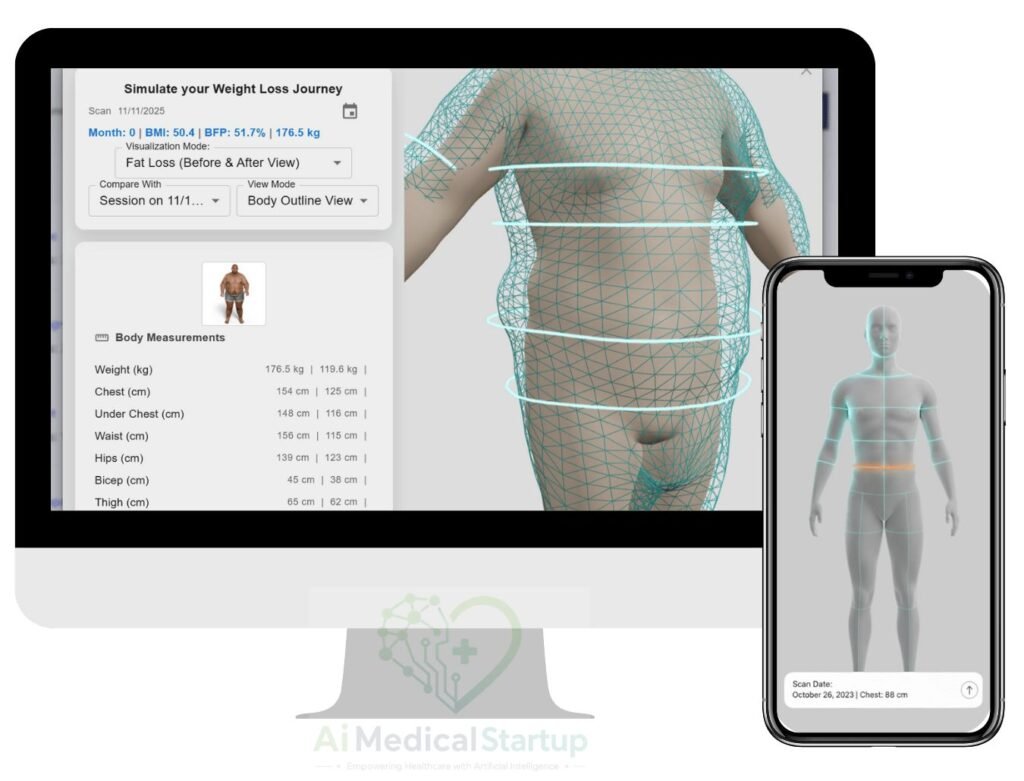
However, weight loss is influenced by many biological, psychological, environmental, and social factors. AI should support sustainable habits rather than encourage extreme calorie restriction or unrealistic promises.
AI for Muscle Building and Strength Training
For strength training, AI can track exercise history, training volume, repetitions, resistance, and progression. It may help users structure progressive overload and avoid repeating the same workload indefinitely.
AI can also identify changes in performance. If a user repeatedly fails to progress, the system may recommend adjusting volume, exercise selection, intensity, or recovery. Human expertise remains important when technique, pain, or complex training issues are involved.
AI for Endurance and Athletic Performance
Endurance training generates rich data. Runners and cyclists can collect information about pace, distance, heart rate, elevation, training load, and recovery. AI can analyze these variables to identify patterns. This can support individualized training schedules and performance forecasts. However, predictive models remain estimates. Weather, illness, stress, nutrition, sleep, and race-day conditions can all change actual performance.
AI Fitness Apps, Wearables & Smart Devices
The modern fitness app market is becoming increasingly connected to wearable and sensor ecosystems. Users no longer interact with fitness software only through a phone. Their experience may include a watch, ring, smart equipment, headphones, camera, or other connected device.
This ecosystem creates a major opportunity for AI fitness apps. The application becomes a central intelligence layer that interprets information from multiple sources. The more devices become interoperable, the more contextual the resulting recommendations can potentially become.
AI Fitness Apps
AI-powered fitness apps can provide workout plans, virtual coaching, nutrition support, activity tracking, progress analysis, and conversational guidance. Some focus on one area, while others combine several services.
The best applications should be judged by the quality of their recommendations rather than by the number of AI features listed on a marketing page. Users should consider personalization, privacy, evidence, usability, transparency, and whether the application clearly explains what its AI can and cannot do.
Smartwatches and Fitness Trackers
Smartwatches and fitness trackers are important sources of continuous activity information. They can monitor movement, workouts, heart rate, sleep, and other metrics depending on the device.
AI can analyze this information to produce summaries and recommendations. The value comes from interpretation. A user does not necessarily need another number. They need help understanding which numbers matter and what action, if any, they should consider.
AI-Powered Smart Rings
Smart rings offer another form of passive monitoring. Their small size allows users to wear them continuously, including during sleep. AI can combine ring-based measurements with activity and behavioral information to provide recovery or wellness insights. Their strength is not necessarily that they measure everything. It is that they can contribute another stream of contextual information to a broader fitness technology ecosystem.
Smart Gym Equipment
Connected treadmills, bikes, strength machines, mirrors, and other equipment can communicate with software platforms. AI can use this data to personalize workouts and track performance.
Some systems can automatically adjust resistance or recommend changes based on previous sessions. This can create a more responsive training environment. However, automation should always include sensible user controls because equipment-related errors can have physical consequences.
AI-Powered Cameras and Motion Sensors
Cameras and motion sensors are making home-based movement analysis more accessible. Computer vision can estimate body positions and identify repeated movement patterns.
This technology can support exercise demonstrations, repetition counting, and technique feedback. Yet users should understand that a camera-based system may not detect every relevant movement or external factor.
Integrating Fitness Data Across Multiple Devices
The real promise of connected fitness lies in integration. A single device provides only one perspective. Multiple sources can create a broader profile.
Multimodal Fitness Data Integration
Discover how various sensors and connected devices feed raw biometrics into AI systems for personalized coaching.
| Data Source | Potential Information | AI Fitness Application |
|---|---|---|
| Smartwatch | Activity and heart rate | Training analysis |
| Smart ring | Sleep and recovery signals | Recovery insights |
| Smartphone | Movement and user input | Behavioral analysis |
| Gym equipment | Resistance and repetitions | Strength tracking |
| Camera | Body movement | Form analysis |
| Fitness app | Goals and history | Personalized recommendations |
The challenge is interoperability. Different companies may store information differently, restrict access, or use closed ecosystems. Better integration could improve digital health solutions, but it also increases the importance of privacy and security.
How AI Uses Heart Rate and Activity Data
AI can interpret heart rate differently depending on context. A high heart rate during sprinting is expected. The same measurement during rest may require a different interpretation. By combining heart rate with activity, workout history, and other contextual information, AI can create more meaningful recommendations. Still, consumer sensors are not identical to clinical instruments, and users should avoid treating every wearable measurement as a medical result.
AI and Continuous Health Monitoring
Continuous monitoring represents a major shift in digital wellness. Instead of measuring fitness occasionally, users can collect information throughout daily life. AI can identify long-term patterns across those measurements. This supports the broader movement from tracking toward interpretation and prediction. At the same time, continuous collection creates serious questions about consent, data retention, security, and who controls the information.
Benefits of AI in Fitness for Users, Trainers, and Businesses
The benefits of AI fitness solutions extend beyond personalized workouts. Consumers can receive more adaptive experiences. Trainers can use data to understand clients more efficiently. Businesses can scale services without manually analyzing every customer. However, AI should not be judged only by how sophisticated it appears. A useful system should produce meaningful outcomes. Better personalization, improved adherence, safer decision-making, and greater accessibility matter more than flashy interfaces.
More Personalized Fitness Experiences
Personalization is perhaps the clearest benefit. AI can combine goals, preferences, history, activity, and performance to create recommendations that feel more relevant. Instead of receiving the same program as thousands of other users, a person may receive customized fitness experiences based on their circumstances. This can make fitness feel less like following a template and more like following an evolving plan.
Improved Workout Efficiency
AI can help users focus on exercises that align with their goals and available time. Someone with a short workout window may receive a condensed session rather than an unrealistic hour-long program. The goal is not simply to exercise more. It is to make exercise more purposeful. Better planning can reduce wasted time and help users maintain consistent routines.
Better Performance Tracking
AI can analyze performance across weeks or months. It can identify progress that may not be obvious from a single workout. This is particularly useful for athletes and structured training programs. Long-term performance tracking can reveal changes in workload, consistency, pace, strength, or recovery.
Greater Motivation and Engagement
Motivation often declines when progress feels invisible. AI systems can use feedback, milestones, reminders, personalized goals, and gamification to maintain engagement. Some platforms use challenges and rewards or social competitions to make exercise more interactive. These features can be effective for some users, although others may prefer private and low-pressure experiences.
Early Identification of Potential Injuries
AI may identify unusual patterns in training volume, movement, or fatigue that could indicate increased injury risk. This does not mean that AI can predict every injury. The practical value is more modest and more useful: a system can flag patterns that deserve attention. A trainer, physiotherapist, or clinician can then provide appropriate human assessment when necessary.
More Accessible Fitness Coaching
Traditional one-to-one coaching can be expensive and geographically limited. Digital fitness coaching can reach users at home and across different time zones. AI can also translate information, simplify explanations, and provide repeated guidance without requiring a human coach to be available every minute. This may improve access while still leaving room for professional support.
Data-Driven Decision Making for Fitness Businesses
Gyms and fitness companies can analyze membership patterns, class demand, equipment usage, and engagement. This can support operational decisions and personalized member communication. For businesses, better analytics may improve subscription rates and user retention, although those outcomes depend on product quality and customer experience rather than AI alone.
Scalable Digital Fitness Services
Human trainers have limited time. Software can serve thousands or millions of users simultaneously. This scalability is one reason AI-powered fitness solutions are attractive to large platforms. A well-designed AI system can provide personalized content at a scale that would be difficult through manual coaching alone.
Latest AI Fitness Trends Shaping the Industry
The latest AI fitness trends show that the industry is moving beyond simple activity tracking. The emphasis is shifting toward personalization, conversational interfaces, predictive insights, computer vision, and multimodal data.
This does not mean every emerging feature will become mainstream. Some will remain experimental. Others may become valuable as sensors, models, and evidence improve. The strongest trend is the gradual integration of AI into existing fitness ecosystems rather than the creation of entirely separate AI products.
AI-Powered Personal Trainers and Virtual Coaches
AI coaches are becoming more conversational and adaptive. Instead of selecting a workout from a menu, users can describe their goals and circumstances in natural language. A more advanced system can combine conversation with actual performance data. That creates a feedback loop between what the user says and what the sensors measure. The result could be more natural virtual coaching.
Generative AI for Fitness and Wellness
Generative AI can create text, plans, explanations, and other content based on user prompts. In fitness, this could mean generating workout ideas, explaining exercises, creating meal suggestions, or answering general questions. The major challenge is reliability. Generative systems can produce confident but incorrect information. WHO has warned that health-related generative AI requires careful oversight, transparency, expert supervision, and rigorous evaluation.
Computer Vision for Exercise Form Correction
Computer vision is becoming more practical as cameras and machine-learning models improve. Users can potentially receive automated feedback without attaching sensors to every part of their body. This may be particularly useful for home workouts, yoga, mobility training, and common resistance exercises. Yet computer vision should be treated as an assistive technology rather than a perfect judge of human movement.
Predictive Analytics for Injury and Recovery
Predictive injury analytics uses patterns in workload, movement, recovery, and performance to estimate potential risk. It may help users recognize when training is becoming excessive. The concept is valuable because prevention often depends on recognizing patterns early. However, no predictive model can guarantee that an injury will or will not occur. Models should therefore communicate uncertainty clearly.
Emotion AI and Mental Wellness
Fitness increasingly overlaps with mental well-being. Exercise can affect mood, stress, motivation, and sleep, so platforms are exploring ways to incorporate psychological signals into digital coaching. Emotion AI is controversial because emotions cannot be reliably reduced to a single sensor reading. Systems should avoid making strong psychological claims from weak signals. Emotional support should also remain distinct from mental-health diagnosis or therapy.
AI-Powered Nutrition Coaching
AI nutrition systems can analyze food logs, goals, dietary preferences, and activity. They may generate meal ideas or help users understand patterns in their eating behavior. This can make AI nutrition planning more accessible. However, personalized nutrition becomes more complex when allergies, medical conditions, medications, eating disorders, or pregnancy are involved.
Gamification and Adaptive Fitness Experiences
Gamification uses game-like mechanisms to encourage participation. AI can make these systems more adaptive by adjusting goals, difficulty, challenges, and feedback. For example, an application could recommend a manageable challenge after detecting reduced activity. Another user might receive a more demanding target. The objective is to keep the experience engaging without turning exercise into an unhealthy competition.
Hyper-Personalized Fitness Recommendations
The next generation of fitness platforms may move from personalization based on basic profiles toward continuously updated recommendations. Instead of asking only, “What is your goal?” the system may also consider what you have recently done, how you recovered, what you prefer, and how your behavior has changed. This creates a more dynamic form of personalized fitness.
AI Integration With Wearable Health Technology
Wearables are increasingly becoming data sources for AI systems. The future is less about individual devices and more about interconnected ecosystems. A smartwatch, ring, phone, gym machine, and fitness application could potentially contribute information to one personalized model. This creates exciting possibilities but also increases the importance of interoperability, consent, and data privacy.
The Evolution of AI Fitness Intelligence
From passive historic logs to fully adaptive decision-making.
Tracking
“What happened?”
Analysis
“What patterns are visible?”
Personalization
“What fits this user?”
Prediction
“What may happen next?”
Recommendation
“What could the user consider doing?”
Adaptation
“How should the plan change?”
The 6 Stages of AI Fitness Intelligence
Hover or tap on any stage to see its primary focus in action.
Tracking
“What happened?”
Analysis
“What patterns are visible?”
Personalization
“What fits this user?”
Prediction
“What may happen next?”
Recommendation
“What could the user consider doing?”
Adaptation
“How should the plan change?”
This transition is important because it changes the role of fitness technology. Instead of being a digital diary, the platform becomes an adaptive decision-support system.
The Growing Role of Multimodal AI
Multimodal AI can work with several types of information rather than text alone. In fitness, that could include video, voice, wearable measurements, written goals, and exercise history. A future AI coach might listen to a user’s question, analyze movement through a camera, review recent training data, and explain a recommendation conversationally. Such systems could make fitness technology feel more natural, but they also create greater responsibility around AI decision-making, privacy, and accuracy.
Real-World Examples of AI in Fitness
AI is already appearing across multiple areas of the fitness ecosystem. The most useful examples are not necessarily the products with the biggest marketing claims. They are platforms that use AI to solve specific problems such as personalization, movement analysis, recovery, or engagement.
The market includes consumer apps, wearable ecosystems, connected gym equipment, camera-based platforms, and sports-performance technologies. Their approaches differ significantly, so users should evaluate what the technology actually does rather than assuming every “smart” feature is artificial intelligence.
AI Fitness Apps and Virtual Coaching Platforms
AI fitness applications can provide personalized workout generation, conversational coaching, progress tracking, and nutrition assistance. Some are designed for general fitness, while others focus on running, strength training, mobility, or weight management. A useful evaluation framework includes personalization quality, data sources, evidence, privacy, transparency, usability, and the ability to correct inaccurate information. The presence of a chatbot alone does not make an application an effective AI fitness coach.
AI Features in Smartwatches and Wearables
Wearable ecosystems increasingly use algorithms and machine learning to transform raw sensor measurements into health and fitness insights. Features may include activity recognition, sleep analysis, recovery estimates, workout detection, and personalized trends. The important distinction is that many wearable features use algorithms without necessarily representing advanced generative AI. Consumers should therefore examine the actual functionality.
AI-Powered Exercise and Movement Platforms
Movement platforms can use computer vision and sensors to analyze exercise technique. They may count repetitions, identify body positions, and provide feedback. These systems can make guided training more interactive. Their effectiveness depends on factors such as camera placement, model quality, movement diversity, and whether the feedback is validated against meaningful performance or safety outcomes.
AI in Connected Gyms and Smart Fitness Equipment
Connected gyms can combine exercise equipment with software. AI can use machine data and member profiles to personalize workouts or monitor performance. This creates a different type of gym experience. Equipment becomes part of a connected ecosystem rather than functioning as an isolated machine. The long-term opportunity lies in combining equipment data with coaching and recovery information.
How Leading Fitness Companies Are Using AI
A useful comparison should focus on actual capabilities rather than marketing language.
AI Capabilities in Fitness Tech
| AI Capability | Example Fitness Application | Main Benefit |
|---|---|---|
| Machine Learning | Workout personalization | Adaptive training |
| Computer Vision | Exercise analysis | Form feedback |
| Predictive Analytics | Recovery analysis | Training decisions |
| Generative AI | Conversational coaching | Natural interaction |
| Wearable Analytics | Activity interpretation | Continuous insights |
| Recommendation Engines | Content selection | Personalization |
| Behavioral Modeling | Engagement systems | Improved adherence |
A company may use one or several of these technologies. Some products marketed as AI may actually rely on simple automation or rules-based systems. That distinction matters when consumers compare fitness solutions.
Challenges and Risks of Using AI in Fitness
The promise of AI is significant, but so are the risks. Fitness technology increasingly touches sensitive information about people’s bodies, behavior, sleep, activity, and health. That makes responsible design essential.
WHO guidance on AI for health highlights concerns involving privacy, cybersecurity, bias, transparency, accountability, and equitable access. These principles are relevant whenever fitness products move into health-related territory, even though not every consumer fitness application is a medical device.
Fitness Data Privacy and Security
Fitness platforms can collect information that reveals daily routines, locations, sleep behavior, activity patterns, and health-related measurements. This can become sensitive health information depending on the nature and use of the data.
Strong data security should include appropriate authentication, encryption, access controls, secure development, and responsible retention policies. Users should also understand what information is collected, why it is collected, and whether it is shared with third parties.
Accuracy and Reliability of AI Recommendations
AI is only as reliable as the system behind it. Poor sensor measurements, incomplete user information, weak models, or inappropriate assumptions can produce poor recommendations. This is why data integrity matters. An AI system should not present a prediction as a fact when the underlying evidence is uncertain. Clear communication of limitations can help protect user trust.
Algorithmic Bias in Fitness Technology
AI models learn from data. If training data does not represent different populations adequately, the resulting system may work better for some users than others. This is the problem of AI bias. Diverse ages, body types, abilities, movement styles, and populations should be considered during development. Diverse datasets can reduce some forms of bias, although diversity alone does not guarantee fairness.
Lack of Transparency and Explainability
Users should know when AI is making a recommendation and what kind of information influenced it. AI transparency does not require revealing every line of source code. It means providing understandable information about the system’s purpose, data inputs, limitations, and appropriate use. Transparent AI can make it easier for users to challenge or ignore recommendations that do not fit their situation.
Over-dependence on AI Coaching
AI can be convenient, but convenience can become dependence. A user may begin trusting an algorithm more than their own physical signals. This can be risky. Pain, dizziness, unusual fatigue, illness, or sudden changes in performance may require human assessment. AI should support decision-making rather than eliminate personal judgment.
Risks of Incorrect Exercise Recommendations
Incorrect exercise recommendations can have physical consequences. A model may misunderstand fitness level, recovery, technique, or injury history. The risk becomes greater when users assume that a personalized recommendation must be correct simply because it was generated from data. Personalization improves relevance, but it does not guarantee safety.
Integration and Compatibility Issues
Different devices can produce different measurements. Platforms may use proprietary formats or restrict data access. Poor integration can create incomplete profiles and inconsistent recommendations. Better interoperability could improve AI systems, but it must be balanced against security and privacy requirements.
Cost of Developing AI Fitness Solutions
Building AI products requires more than hiring a developer and adding a chatbot. Companies may need machine learning infrastructure, secure databases, data pipelines, model-development expertise, testing systems, and substantial computational resources.
They also need ongoing maintenance. Models can degrade when user behavior changes or when new devices introduce different data patterns. Scalable AI platforms therefore require long-term investment rather than a one-time development project.
How Fitness Companies Can Build Safer AI Systems
Responsible development should include clearly defined use cases, appropriate testing, human oversight, representative data, privacy controls, monitoring, and mechanisms for correcting errors.
WHO has emphasized the importance of transparency, accountability, human autonomy, safety, inclusiveness, and continuous evaluation in AI for health. These principles provide a useful framework for fitness companies moving toward health-related applications.
Protecting Sensitive Health and Fitness Data
Privacy protection should begin before data collection. Companies should collect only what they genuinely need and explain why they need it. Appropriate controls may include robust encryption, secure cloud storage, strong authentication, and data access controls. In the USA, HIPAA may apply to certain organizations and situations, but not automatically to every fitness application. In Europe, GDPR can impose important obligations when personal data is processed within its scope. UK organizations may also face UK GDPR and related data-protection requirements.
The Future of AI in the Fitness Industry
The future of AI in the fitness industry will probably not be defined by one revolutionary application. Instead, AI is likely to become an intelligence layer embedded across fitness apps, wearables, connected equipment, coaching services, and digital wellness platforms.
The biggest change may be subtle. Users may stop thinking about “using AI” and simply experience fitness systems that adapt automatically. The technology could become less visible while personalization becomes more sophisticated.
AI and Hyper-Personalized Fitness
Future systems may combine more types of information to create increasingly individualized recommendations. Instead of relying on age, weight, and fitness goals, AI could consider training history, recovery, preferences, environment, schedule, and behavior.
The challenge will be deciding how much personalization is genuinely useful. More data is not always better. Excessive collection can create privacy risks without providing meaningful additional value.
Predictive Fitness and Preventive Wellness
AI may increasingly help users understand patterns before they become obvious. A gradual decline in activity, repeated fatigue, or inconsistent recovery could trigger recommendations for rest or program changes.
This represents the broader transition toward preventive wellness. The objective is not to diagnose disease. It is to use patterns to support healthier behavior before problems become more difficult to address.
AI-Powered Digital Health Coaches
The future digital coach may combine fitness, nutrition, recovery, sleep, and general wellness information.
Such systems could become highly conversational. A user might ask why today’s workout feels difficult and receive an answer based on recent activity, sleep, and training history. However, the system should clearly distinguish wellness guidance from medical advice.
The Convergence of AI, Fitness, and Healthcare
The boundary between fitness and healthcare technology is becoming increasingly interesting. Wearables can collect continuous information. AI can interpret patterns. Digital platforms can connect users with professionals.
This does not mean every fitness application becomes a medical product. In the USA, the FDA maintains a list of AI-enabled medical devices that have met applicable premarket requirements for their intended uses. That distinction illustrates why health technology products need to be evaluated according to what they actually claim and do.
For AI Medical Startup, this intersection is particularly important. The future of digital health may involve closer connections between fitness, prevention, remote monitoring, healthcare, and personalized wellness.
AI-Powered Fitness for Older Adults and Chronic Conditions
AI could support older adults by helping personalize mobility, strength, balance, and low-impact activity programs. Wearables may also provide information about activity patterns and adherence.
People living with health conditions may potentially benefit from personalized digital support, but this area requires greater caution. Exercise recommendations for someone with a chronic disease should account for clinical context. AI should complement qualified healthcare professionals rather than independently manage complex medical situations.
What AI Could Mean for Personal Trainers
AI does not necessarily make personal trainers obsolete. In many cases, it may become a powerful assistant.
Trainers can use AI for progress summaries, workout organization, data interpretation, scheduling, and personalization. This allows human professionals to spend more time on observation, motivation, coaching, and judgment.
The likely future is therefore not human versus machine. It is human expertise supported by intelligent tools.
Will AI Replace Human Fitness Professionals?
AI may replace some repetitive tasks, but replacing the entire role of a skilled fitness professional is much harder.
A trainer can observe subtle behavior, communicate empathy, understand context, provide accountability, and adapt to situations that are difficult to encode into a model. AI can analyze data at enormous scale, but it does not automatically possess human judgment.
The most realistic future is augmentation rather than replacement. AI handles pattern recognition and repetitive analysis while professionals handle complex decisions and human relationships.
Human-AI Collaboration in the Future of Fitness
The strongest fitness ecosystem may combine the strengths of both sides. AI can process enormous datasets, identify patterns, automate routine tasks, and personalize recommendations. Humans can provide judgment, empathy, accountability, professional expertise, and contextual understanding. When these capabilities work together, AI and fitness become more useful than either one alone.
“Protecting human autonomy” is one of the core principles identified by WHO for responsible AI in health. That principle is worth remembering as fitness becomes increasingly automated. Technology should help people make better decisions, not remove their ability to make decisions for themselves.
FAQs
The growing popularity of AI in fitness has created many questions for consumers, trainers, tech companies, and healthcare professionals. Here are clear answers based on how AI is designed and applied.
AI in the fitness industry refers to artificial intelligence systems used to analyze fitness and behavioral information and provide recommendations, predictions, automation, or personalized experiences. Applications include workout planning, virtual coaching, movement analysis, wearable analytics, nutrition support, recovery recommendations, and gym management.
AI is used for personalized workouts, virtual coaching, exercise analysis, wearable interpretation, recovery monitoring, nutrition planning, engagement, and predictive analytics. Some systems also use computer vision to analyze movement and provide feedback during exercise.
The main benefits include personalization, convenience, scalable coaching, performance analysis, real-time feedback, improved engagement, and data-driven recommendations. AI can also help fitness businesses manage large user populations more efficiently.
Yes. AI can generate personalized workout plans using information such as fitness level, goals, training history, available equipment, schedule, and user preferences. More advanced systems can modify the plan according to performance and recovery.
AI can automate some tasks performed by trainers, but it is unlikely to completely replace skilled professionals. Trainers provide human judgment, motivation, accountability, observation, and context. The most useful model is likely to involve human professionals working with AI tools.
There is no single best application for everyone. Users should compare personalization, AI capabilities, privacy, data sources, usability, transparency, evidence, platform compatibility, and the quality of coaching. A good AI fitness app should clearly explain its limitations rather than simply advertising itself as “AI-powered.”
Fitness trackers and smartwatches collect information such as activity, heart rate, sleep, and workout data. AI can analyze those measurements and identify patterns. The resulting insights may include activity trends, recovery recommendations, workout suggestions, or performance summaries.
AI may help identify patterns associated with increased training load, fatigue, unusual movement, or recovery problems. These insights can support injury prevention, but they cannot guarantee that an injury will not occur. Pain or suspected injury should be evaluated appropriately by a qualified professional.
Accuracy varies considerably between systems. It depends on sensor quality, data completeness, model design, validation, and the specific task. AI recommendations should therefore be treated as informed guidance rather than unquestionable facts.
Major disadvantages include privacy risks, inaccurate recommendations, algorithmic bias, lack of transparency, overdependence on technology, integration problems, development costs, and the possibility of inappropriate recommendations.
The future is likely to involve more personalized workouts, conversational AI coaches, computer vision, predictive analytics, wearable integration, adaptive training, and connections between fitness and broader digital health solutions. Human professionals are likely to remain important as AI becomes a tool for analysis and personalization.
Final Thoughts on AI in Fitness
AI in the fitness industry is changing the role of technology from simple measurement toward interpretation, personalization, and prediction. Fitness applications can now process information from wearables, smartphones, cameras, connected equipment, and user behavior to create increasingly individualized experiences.
Key Conclusion Takeaways
- Context is Everything: The most important opportunity isn’t just generating another workout plan—it’s creating systems that recognize how performance, recovery, and goals change daily.
- Responsible Development Matters: Privacy, transparency, algorithmic bias, safety, and human oversight must evolve alongside technical capabilities.
- A Collaborative Future: AI will handle data analysis and pattern recognition, while human trainers and coaches provide motivation, context, and empathy.
At the same time, responsible development matters. Fitness data can reveal intimate details about people’s lives. AI models can contain bias. Recommendations can be wrong. Automated systems can create false confidence. Privacy, transparency, safety, and human oversight therefore need to develop alongside technical capabilities.
The future of AI and fitness will probably be collaborative. AI will handle large-scale data analysis, pattern recognition, personalization, and repetitive tasks. Trainers, coaches, clinicians, and users will continue to provide judgment, context, motivation, and human connection.
“The most successful AI fitness solutions may not be the ones that try to remove humans from fitness. They may be the ones that help humans make smarter, safer, and more personalized decisions.”
As fitness technology moves toward predictive health, connected wearables, multimodal AI, and personalized wellness, the industry is entering a new phase. The goal should not be technology for technology’s sake. The goal should be better fitness experiences, better-informed decisions, and healthier long-term behavior.



Registered & Licensed Dietitian Nutritionist AHPC | Public Health Nutrition • Gut Care & Fitness | Member: PNDS, SIGNS International, The Nutrition Society (UK), PEN®